A Perfect Example of the Stroud Parachute Design

By David G. Firestone

Most people associate parachutes with skydiving, para sailing, or military operations, but they have been critical over the course of auto racing as well. For those who follow drag racing or land speed records, parachutes being deployed at the end of the run is a common, and reassuring sight. Dragsters and funny cars can go from zero to 320 MPH in 3.87 seconds. There is no way these cars could stop as effectively without perfect parachute design. Most people also don’t realize that there are two very distinct designs used in drag racing, the Simpson design, and the Stroud design.

The Stroud design came from necessity. The cross-form has been proven effective in the faster cars, namely top fuel, and funny car in the professional classes, as well as top alcohol and top alcohol funny cars in the amateur classes. These are great at stopping cars over 200 MPH. However, there are a number of categories in drag racing where the cars run under 200 MPH and the cross-form deploys too roughly, and would drag the car up. This problem was confirmed by Bill Simpson himself. When he first tested the cross-form at 100 MPH the car took off, and he was hospitalized and arrested. Bob Stroud, who is an engineer who has made a number of designs to airborne parachutes worked on the problem, and came up with the current design in the 1980’s. While Stroud developed the chute, many companies have made design changes.

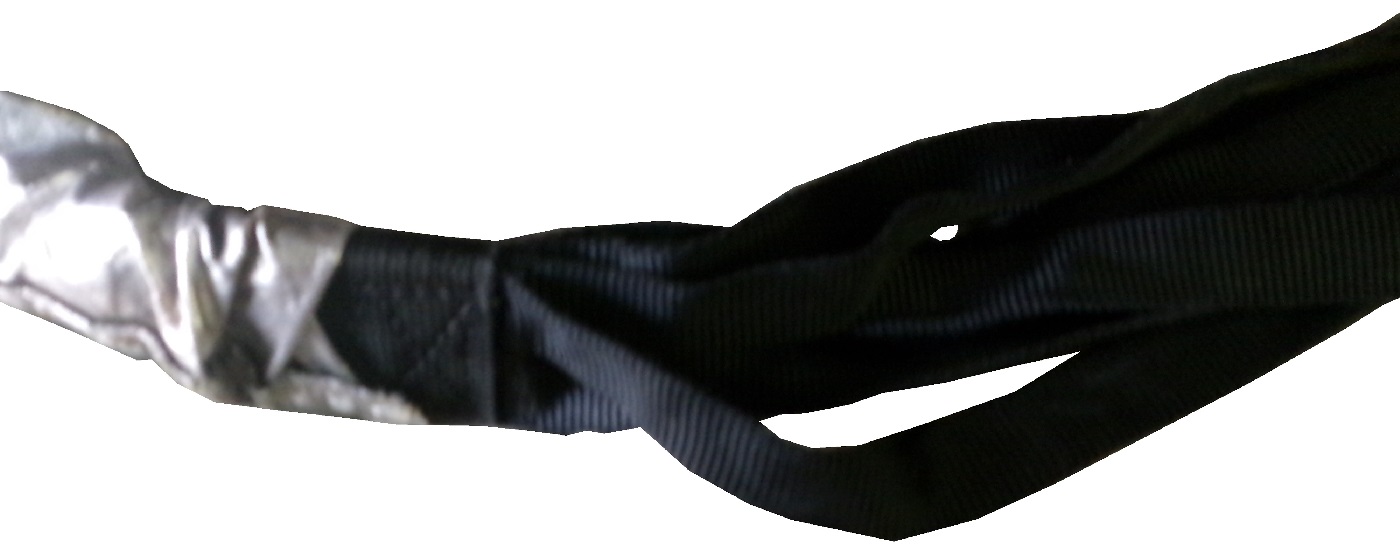
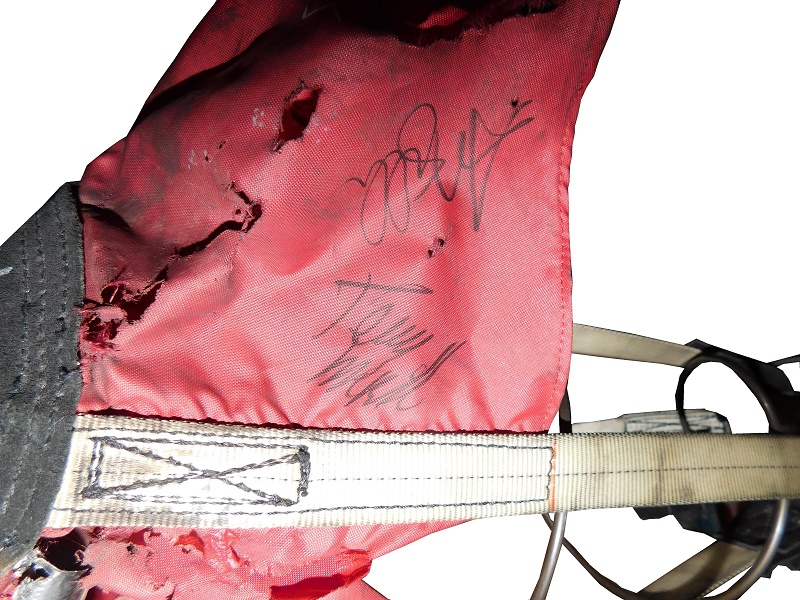
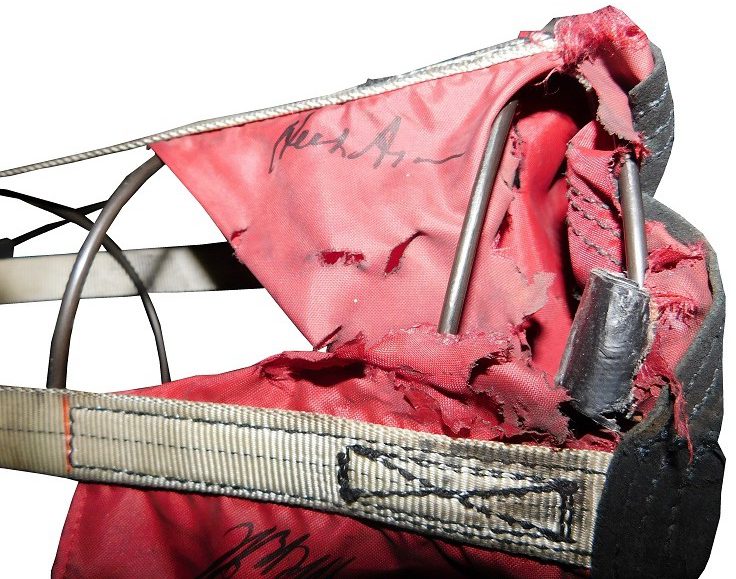
For a time, these designs were relegated to the amateur classes of the NHRA. It was in May of 1990, at the AC-Delco Southern Nationals at Atlanta Dragway that the Stroud design came to the professional leagues, stopping Warren Johnson at the end of his races. It should also be noted that at that time, many drivers simply didn’t deploy their chutes at the end of a run. While their design has evolved over time, it still remains the standard for cars that race up to 205 MPH. This example comes from Pro Stock legend Warren Johnson’s post 2009 career. It shows a decent amount of wear. The chute canopy has an opening in the very center, for air to go through. The pilot chute is attached here as well. Pilot chutes are universally used to deploy parachutes. When the cords are pulled, and the chute is released, the pilot chute deploys, which catches air and pulls the primary chute behind it. The parachute has a tag from the Stroud Company stating is was made in 01/09.The chutes are strapped to a bar at the back of the car, the straps pre-covered in Nomex to prevent fire damage, then packed into a bag, before the race. These parachutes and pilot chutes are massive, but are packed into a bag which measures 9 inches square. There are two designs that are used to launch a parachute. There is the empty box design, which mounts to the back of the car, and is opened by pulling the cable. The second is a pneumatic launcher, used with smaller cross form, and most Stroud chutes. Drag racing parachutes are almost always packed by the drivers themselves. As one driver so elegantly phrased it, “If doesn’t work, I have nobody to blame but myself.” How do drivers pack their own chutes? I’ll let driver Rickie Jones explain that:

Next week, the Pedregon Family is profiled again.

The Paperwork Aspects of Auto Racing Part 2

By David G. Firestone

As I said last week, the mere word “paperwork” will make any person groan. Nobody likes paperwork. It is just awful. Yet it’s become a necessary evil. It permeates every aspect of life, even in auto racing.

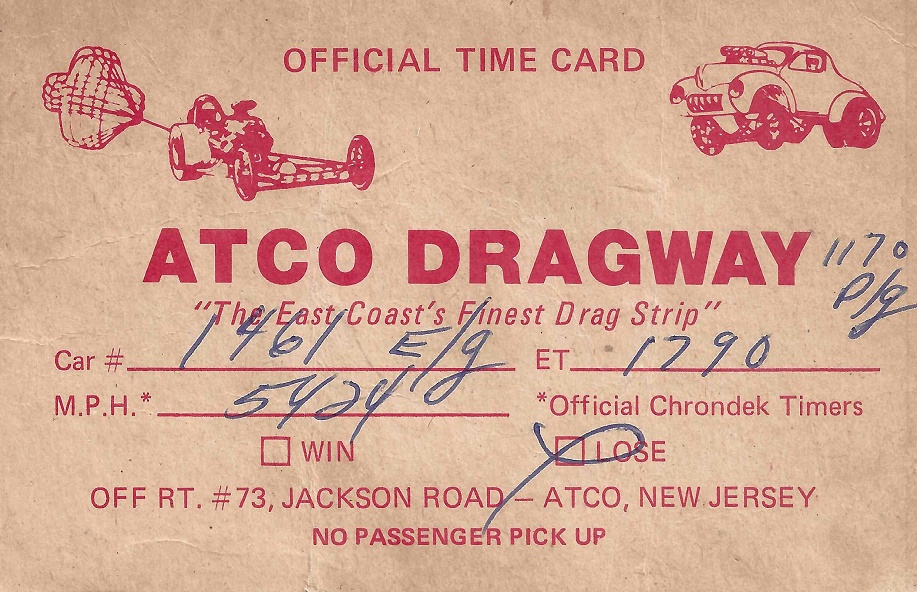
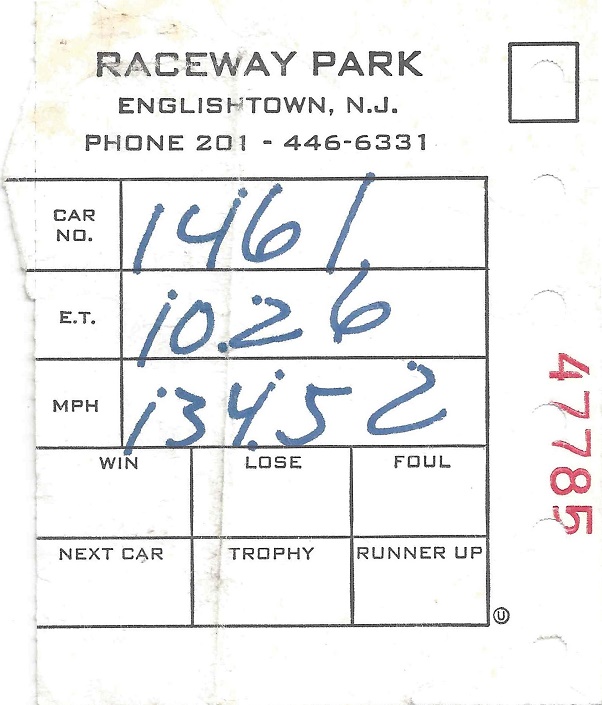
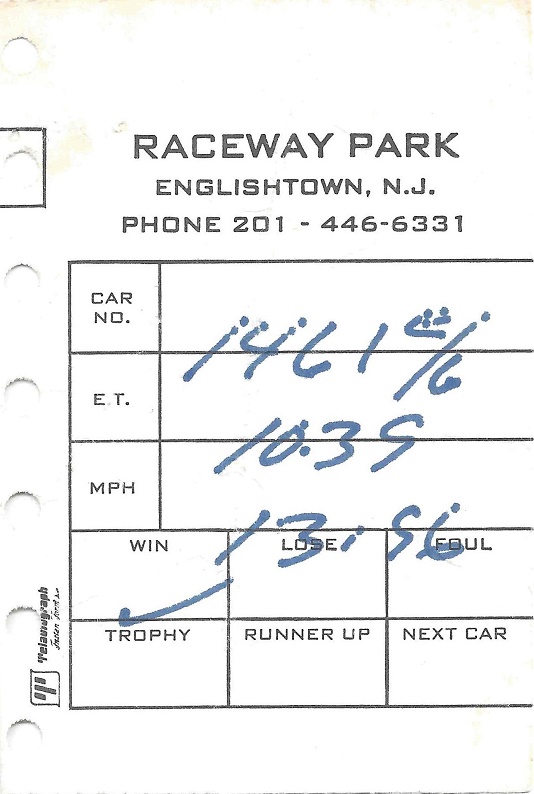
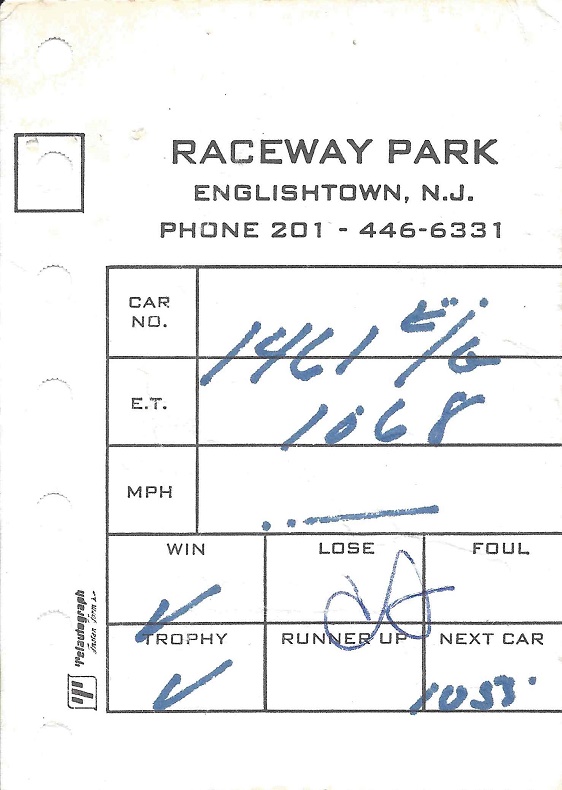
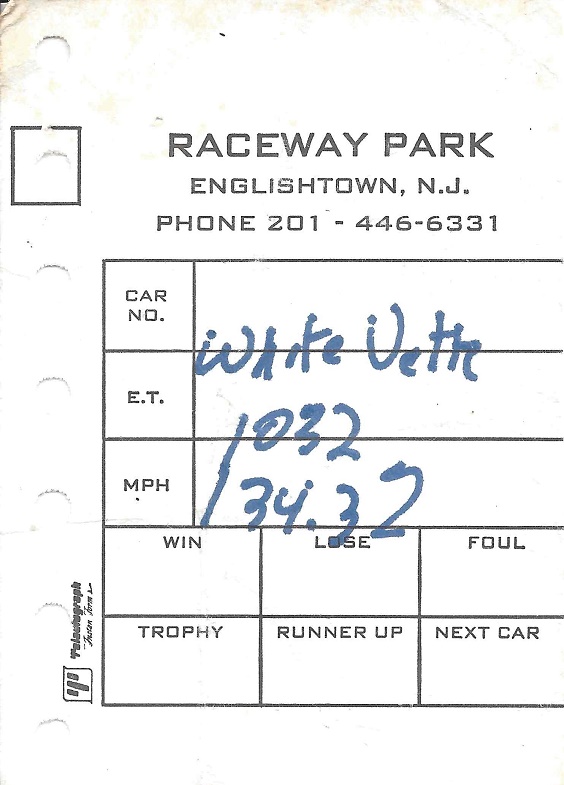
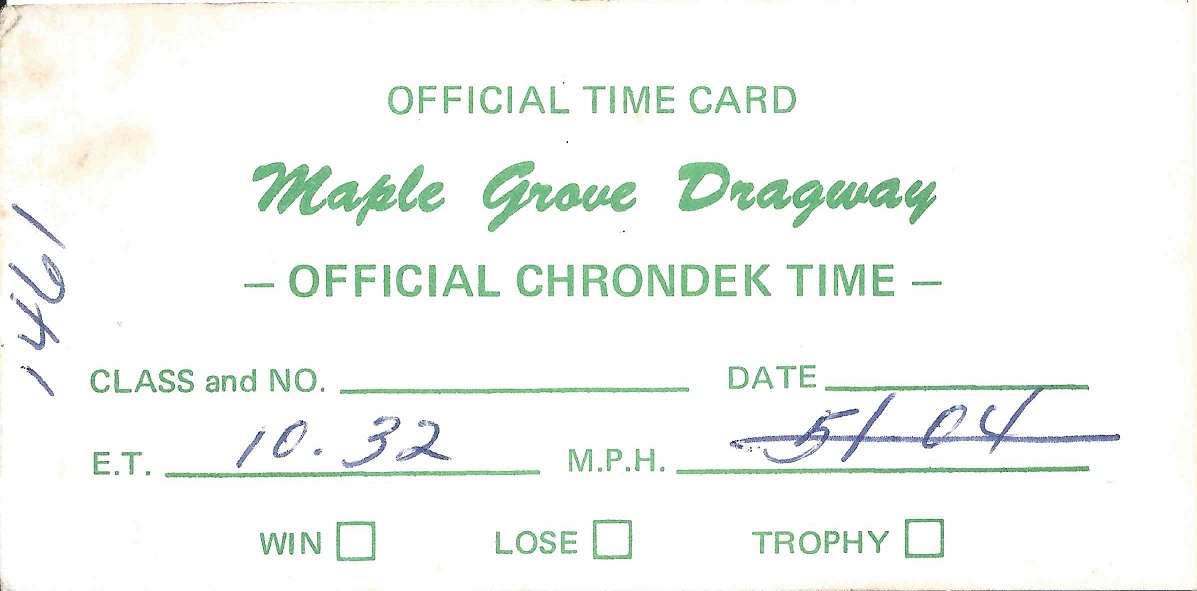
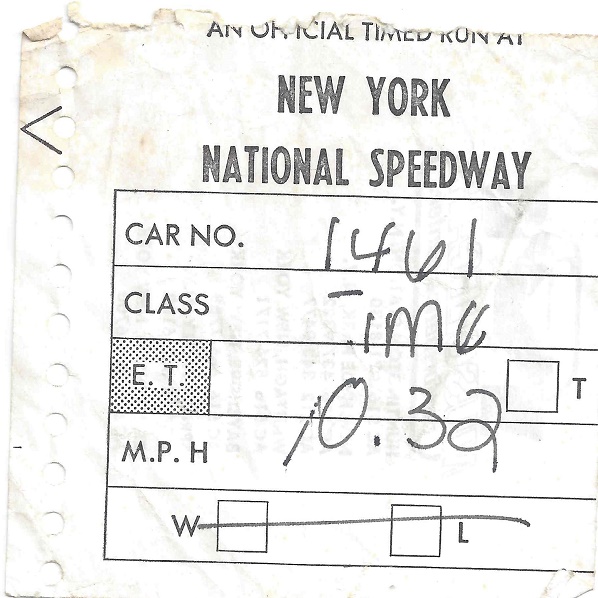
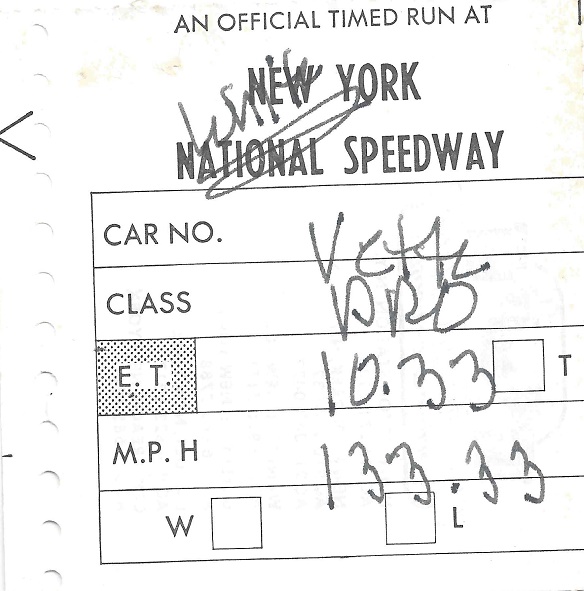
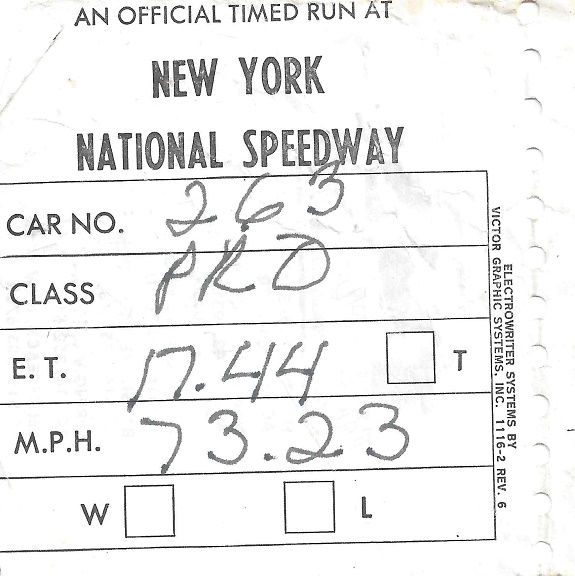
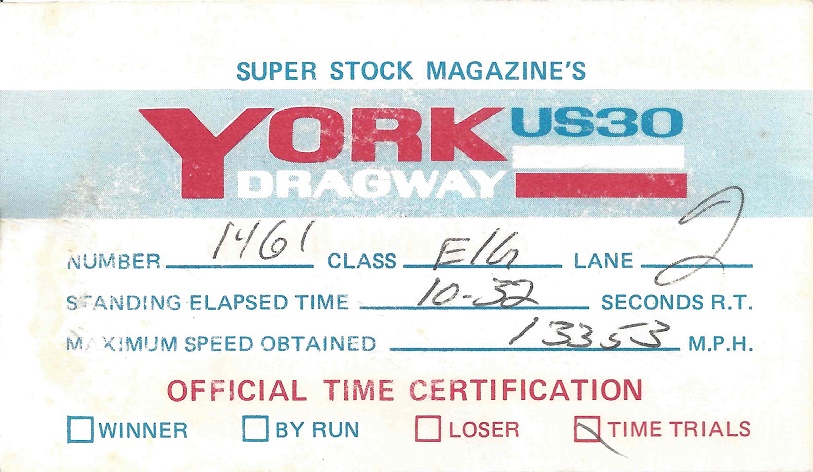
Drag racing has a unique form of paperwork, as compared to other classes of auto racing. After every quarter mile run, a slip of paper is issued to the drivers giving their speed and elapsed time. This is used by the drivers and teams to figure out what their times were, so that adjustments in both car and strategy can be made. Nowadays these slips look like store receipts, but for many years, they were custom designed for the track, or even the specific event. I have a few examples of the variations of these slips. For being as old as they are, they are in great condition.

These first ones are from ATCO Dragway at Atco, NJ. These are slightly larger than a standard business card. These white examples come from the Cayuga International Dragway Park in Cayuga, Ontario. They are similar in size to the ATCO slips. This slightly smaller slip is from the NHRA Springnationals at Columbus, Ohio. The slip is cream colored. It is customized for the event, and is a piece of advertising for Chrondek, a company specializing in drag racing timing systems.These small thin paper slips come from Old Bridge Township Raceway Park in Englishtown, New Jersey. One of these slips has “white Vette” as opposed to the car number. A picture of said Corvette was included with these slips.  This slip is from Maple Grove Dragway, and it not only lists Chrondek, but also has an add for SW Race Cars and Components, Inc. on the reverse. New York National Speedway was located in Center Moriches, New York, and existed from 1966 to 1980. These series of small slips are from New York National. Another photo of the white Corvette at the track is included with this set of slips. The reverse has advertisements for Musclecars Performance Centers. York US30 Dragway operated out of York Airport in Thomasville, Pennsylvania. It operated from 1965 to 1979. These slips are from that long gone track. The reverse has advertisements for Hartman Automotive Racing Engines. The last slip is from Great Lakes Dragaway. This is from 1990, and unlike the others, this one has more specific information, such as reaction time, and more complete speed. This slip was signed by “Dyno” Don Nicholson.

Next week, the drag racing theme continues with a parachute.

The Paperwork Aspects of Auto Racing Part 1

By David G. Firestone

The mere word “paperwork” will make any person groan. Nobody likes paperwork. It is just awful. Yet it’s become a necessary evil. It permeates every aspect of life, even in auto racing.

NASCAR and almost all racing sanctioning bodies issue “competitor licenses.” Competitor licenses are significantly harder to obtain than a standard driver’s license, and the sanctioning bodies make the rules for obtaining them difficult on purpose, so that the average Joe can’t buy a race car on eBay, and drive it in a race. As you get higher and higher in the racing ranks, the requirements become stricter, and harder to obtain.

This is not a new phenomenon. This goes back to the 1960’s. As time has worn on, the need for such regulation has become paramount, as auto racing has grown in popularity over the last 30 years. Many fans would love to race with their favorite drivers, but the fact is that due to their lack of experience and skill, this could cause a lot of problems. Race car drivers have skills capabilities that the average joe could only dream of having, and the competitor license makes sure that those who can do, and those who can’t watch.

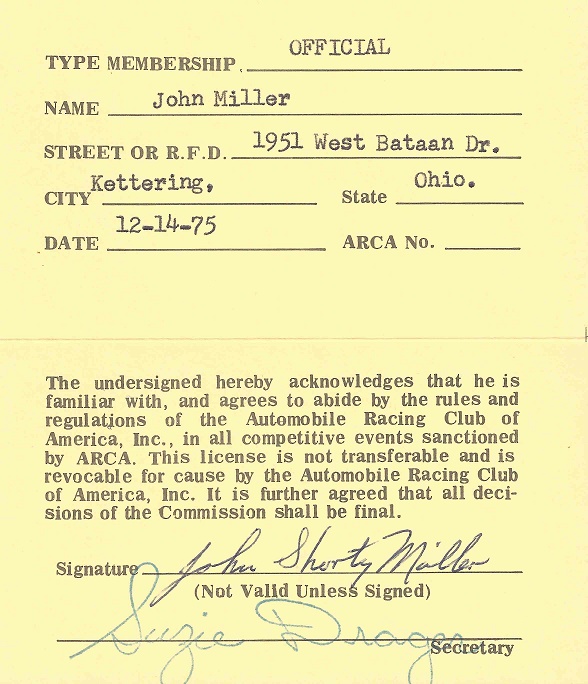
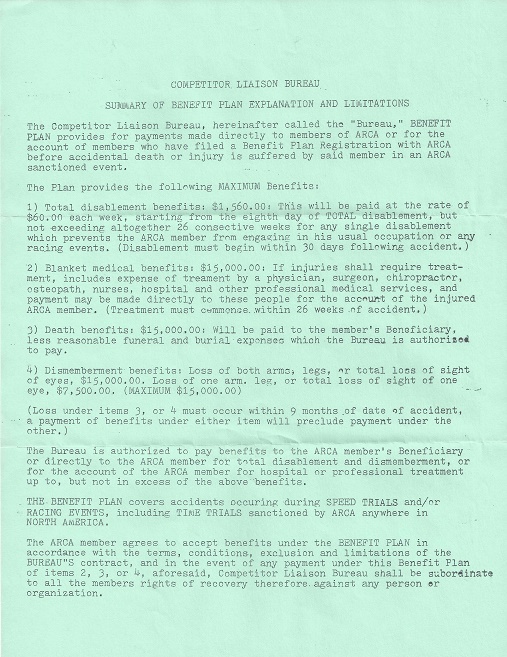
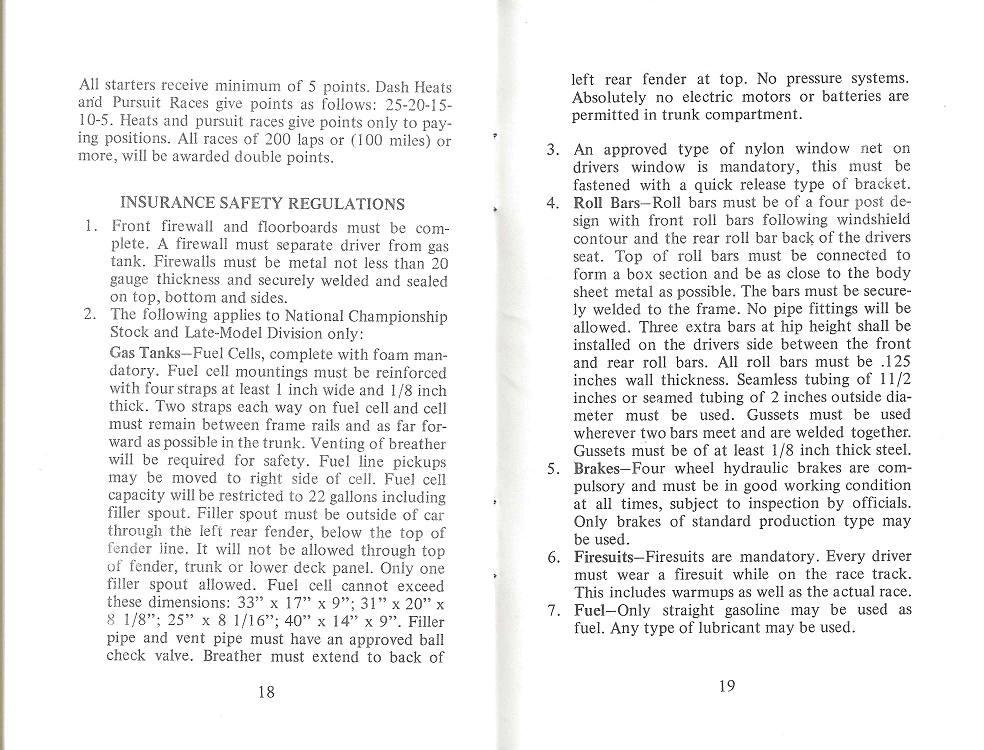
John “Shorty” Miller was a NASCAR and ARCA competitor in the 1960’s and 1970’s. He was one of the founders of the Dayton Auto Racing Fan Club, or DARF, and is in the DARF Hall of Fame. In 1976, he was involved with ARCA, and was issued this license. For documents as old as they are, they are in good condition. It also comes with a copy of the 1976 ARCA Rule Book, which contains 12 pages of rules, which covers a lot of ground, but leaves so much open, it’s not funny. Center Line was founded as the Center Line Tool Corporation in 1970 by Ray Lipper. Lipper saw the need for a good performance rim, and soon the company started focusing only on wheels. Lipper was also an avid racer, and raced in SCCA, and CART. His time in CART was not successful, with a DNS at the Phoenix race, and was one of 47 drivers not to qualify for the 1982 Indianapolis 500. He was elected to the SEMA Hall of Fame in 2002. I recently purchased some of his racing memorabilia, including some paperwork.

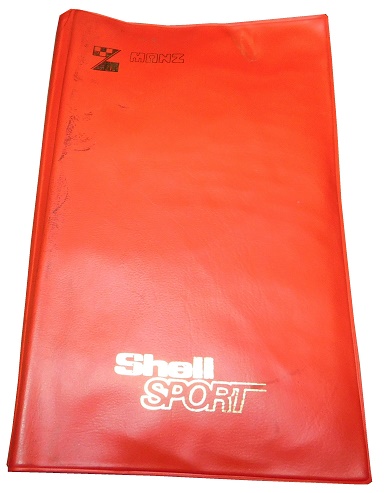
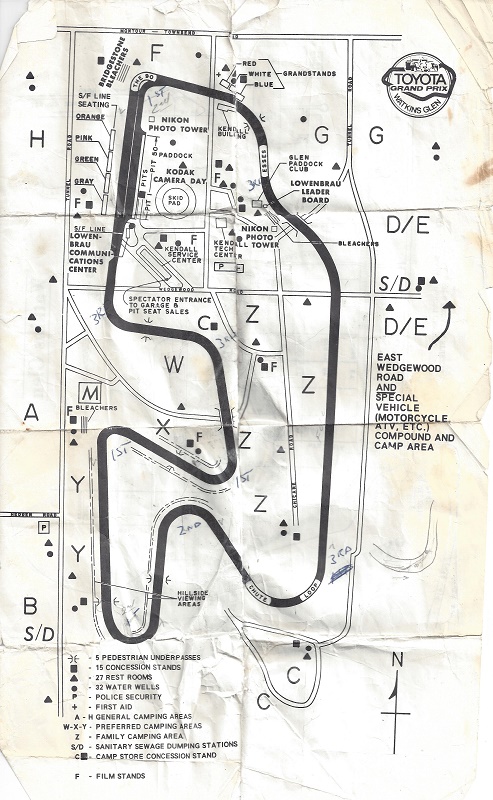
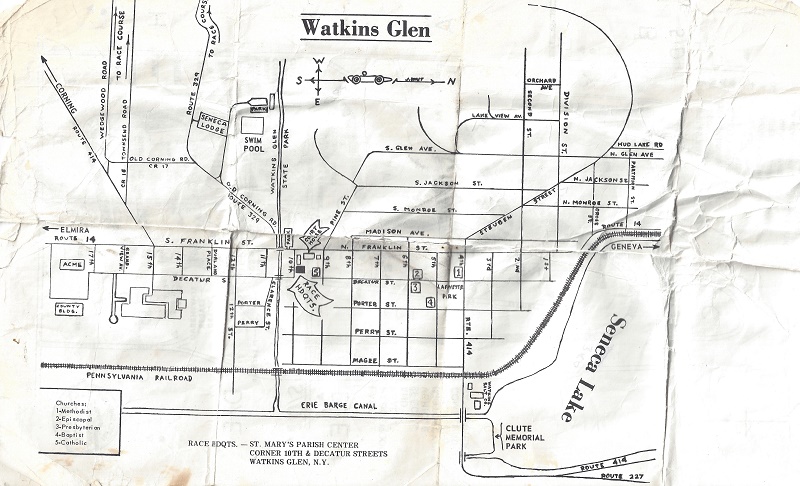
A small, orange Snell Sport Vinyl folder is included in the lot, and the contents of which are very interesting. This is a paper race result from the 1980 SCCA Formula Super Vee USA Robert Bosch/Valvoline Championship. One of the Gold Cup race took place at Watkins Glen on July 5, 1980. Lipper finished 16th, driving a Super Vee. He won $250 for his efforts.In preparation for a race at what is now Sonoma Raceway, Lipper hand drew this map of the track, and added notes as to what he should do in the car while driving in that area.This is Lipper’s map of Watkins Glen, both the track, and the way to the track. It shows a lot of wear. In addition to racing in the United States, Lipper also raced in New Zealand. This is Lipper’s Motorsports Association of New Zealand(MANZ) license. The Manawatu Car Club is New Zealand’s oldest car club. Lipper was a part of it in 1982, and this is his member ticket.

There is another aspect of auto racing paperwork that I will discuss last week.

All Hail The Mighty Foam Block

By David G. Firestone

Auto racing has a lot of different elements in it. These include the cars, the track, and all the implements in both. Drag racing has many different elements at the track. The most unique of these is the timing system. The Christmas tree is the centerpiece, and the timing blocks are one of the most critical elements.

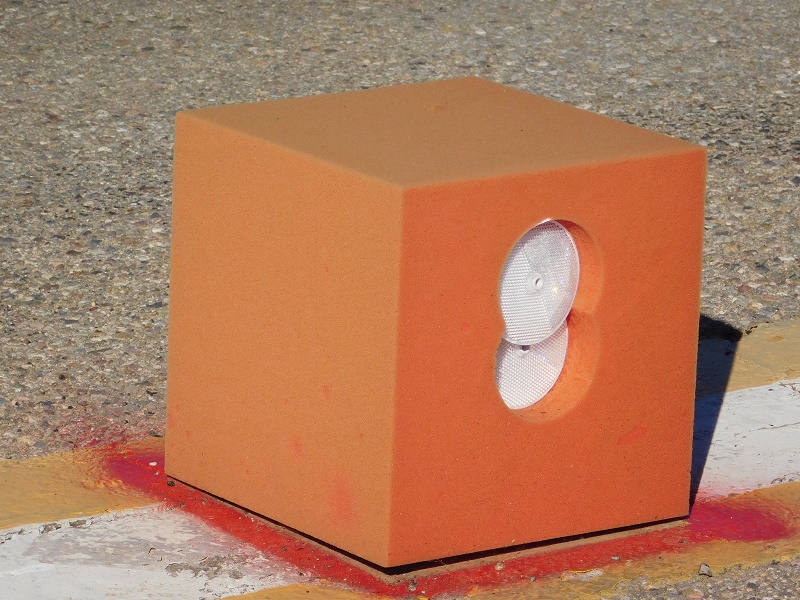
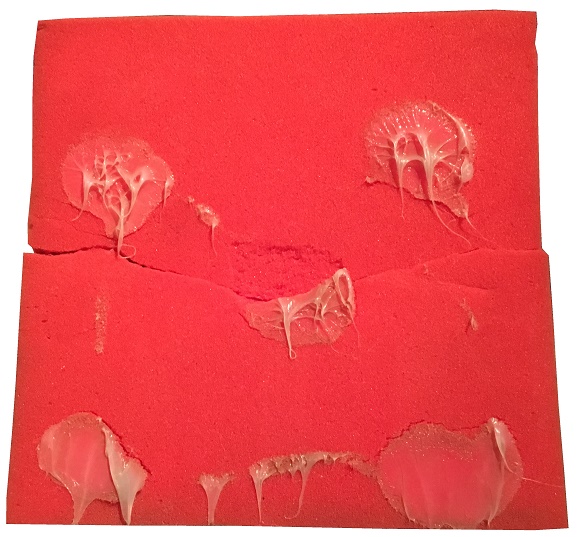
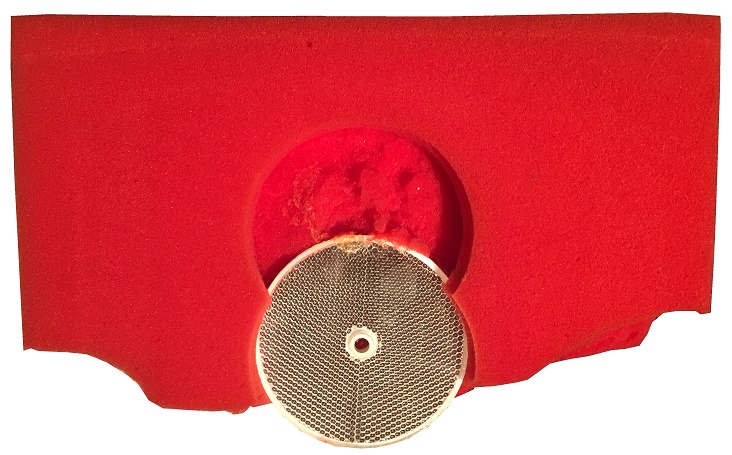
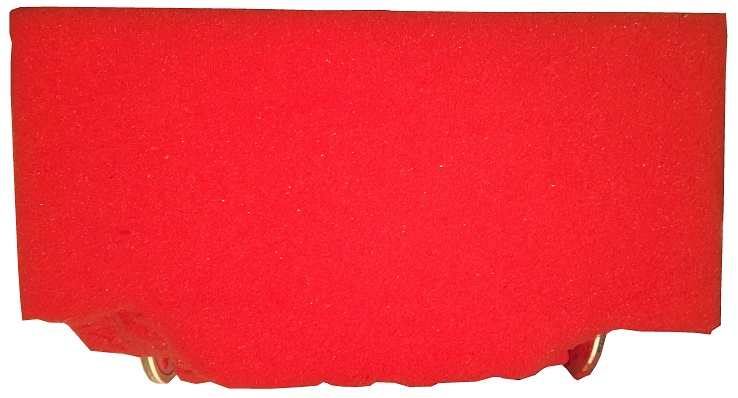
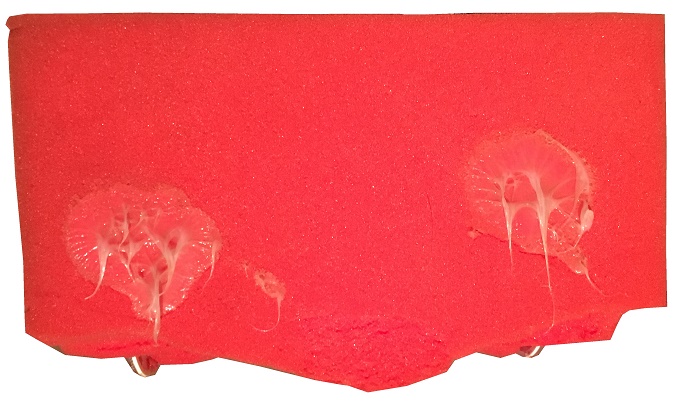
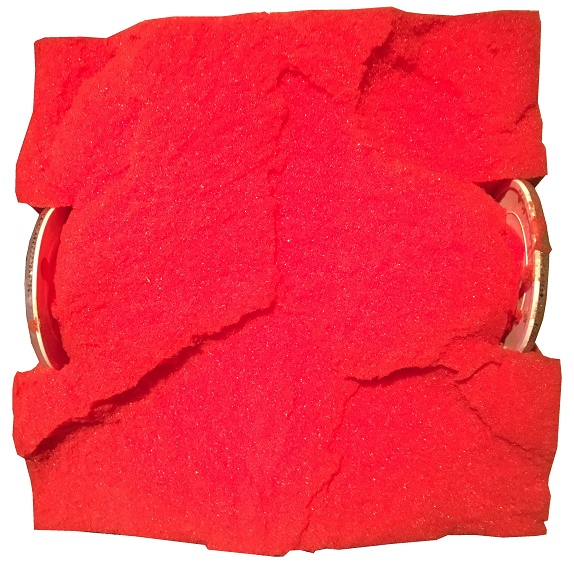
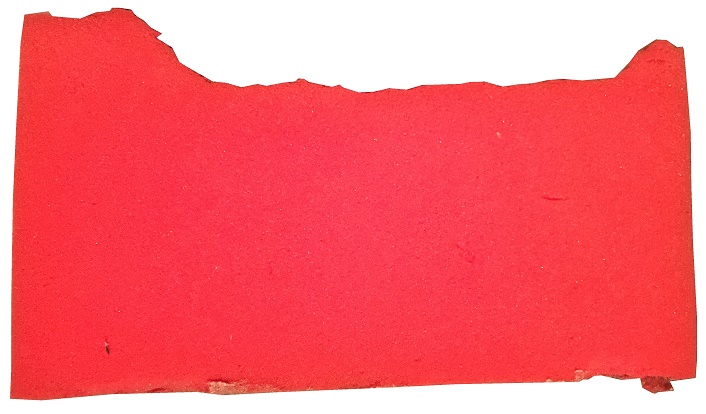
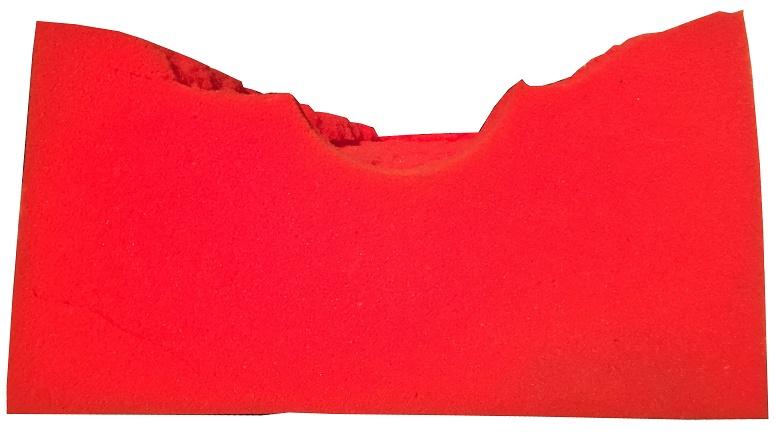
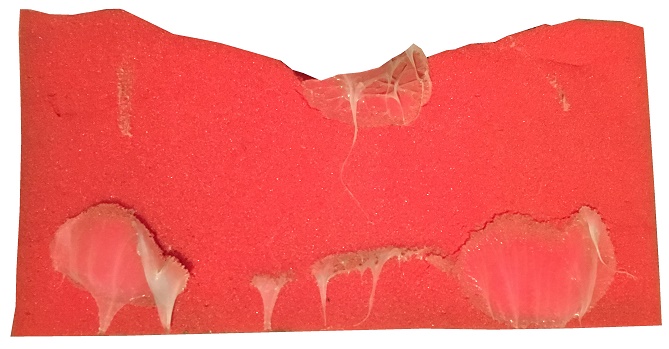
In drag racing, sensors and lightweight orange foam blocks with reflectors are placed at 60, 330, 660, 1000, and 1320 feet. These sensors measure speed and elapsed time. They are made of very lightweight foam, so as not to damage the cars of they impact them. This example was cut in half by a nostalgia funny car at Las Vegas. Obviously, it shows very heavy use.

I know that this was a short one, so we will do another…

TAILGATING TIME!

Nothing fancy, going to post a recipe that can give mediocre hot dogs good flavor.

Dirty Water Hot Dogs

12 Servings

Ingredients:

12 Hot Dogs

2 quarts Water

2 tablespoons Vinegar

1 teaspoon Cumin

pinch Freshly Grated Nutmeg

12 Hot Dog Buns (split; toasted if desired)

Instructions:

1-Combine the Water, Vinegar, Cumin, and Nutmeg in a large pot, and bring to a boil.

2-Reduce to a simmer, and add the Hot dogs, cooking until the Hot dogs have heated through, about 5 minutes.

3-Serve on buns with desired condiments.

Next week, auto racing paperwork.

Celebrating the Tracks That Host The Races!

By David G. Firestone

I collect all kinds of memorabilia, not just from auto racing, but from many kinds of sports. One thing that I collect that most people don’t really realize is an aspect of the sports memorabilia market is what is referred to as “stadium memorabilia.” Stadium memorabilia is memorabilia that comes from stadiums as opposed to players or drivers. It has gained new heights since the demolition of Yankee Stadium, Texas Stadium, and Steiner Sports selling memorabilia from the stadium.

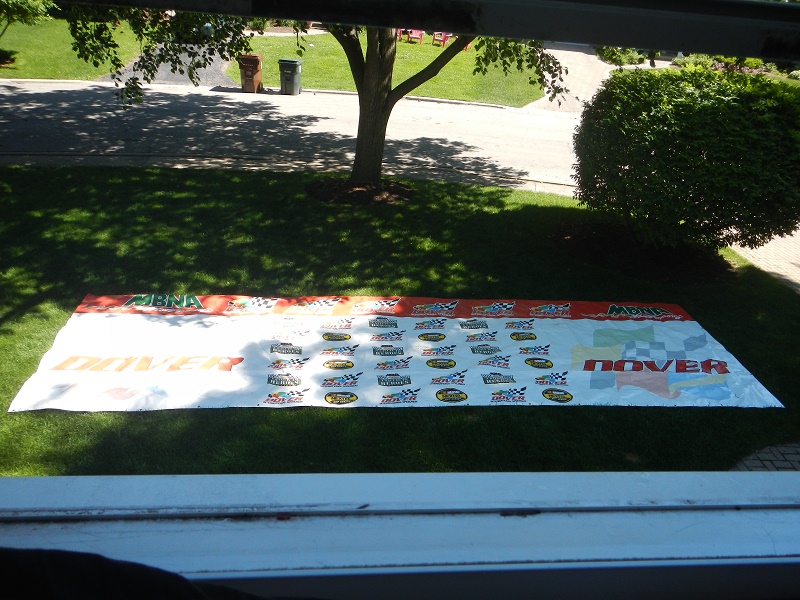
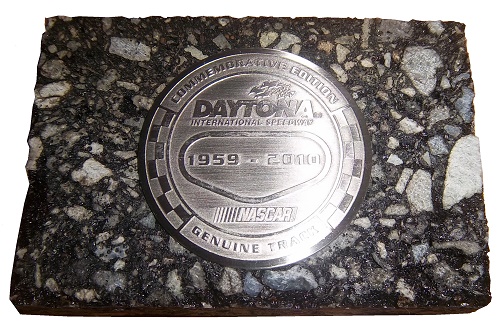
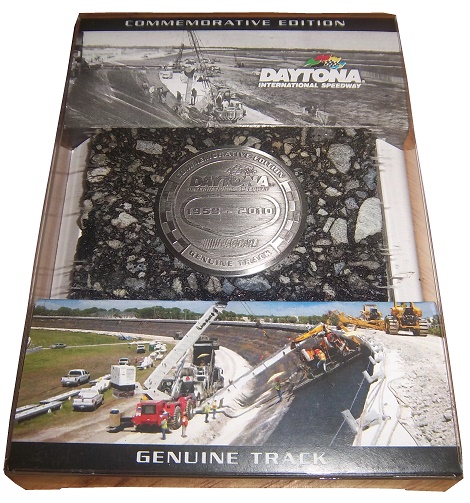
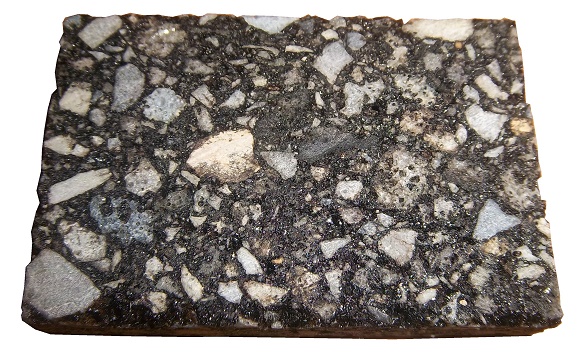
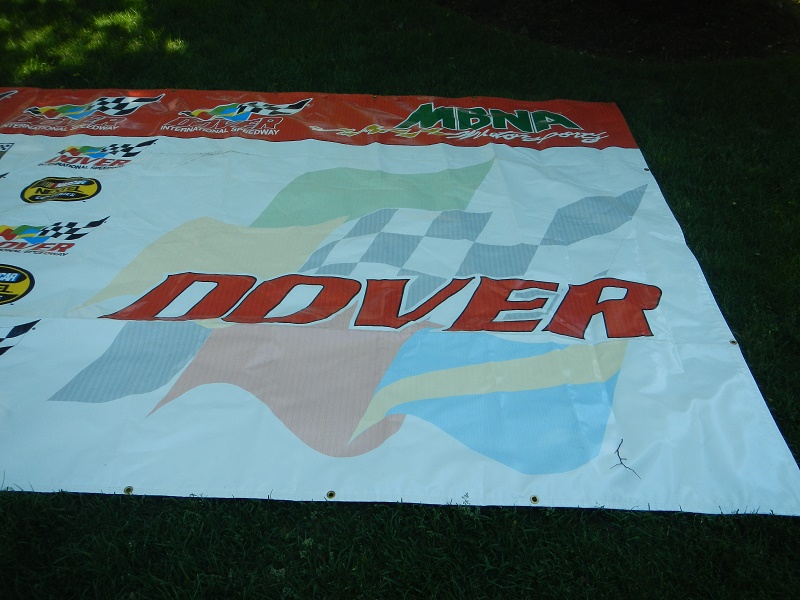
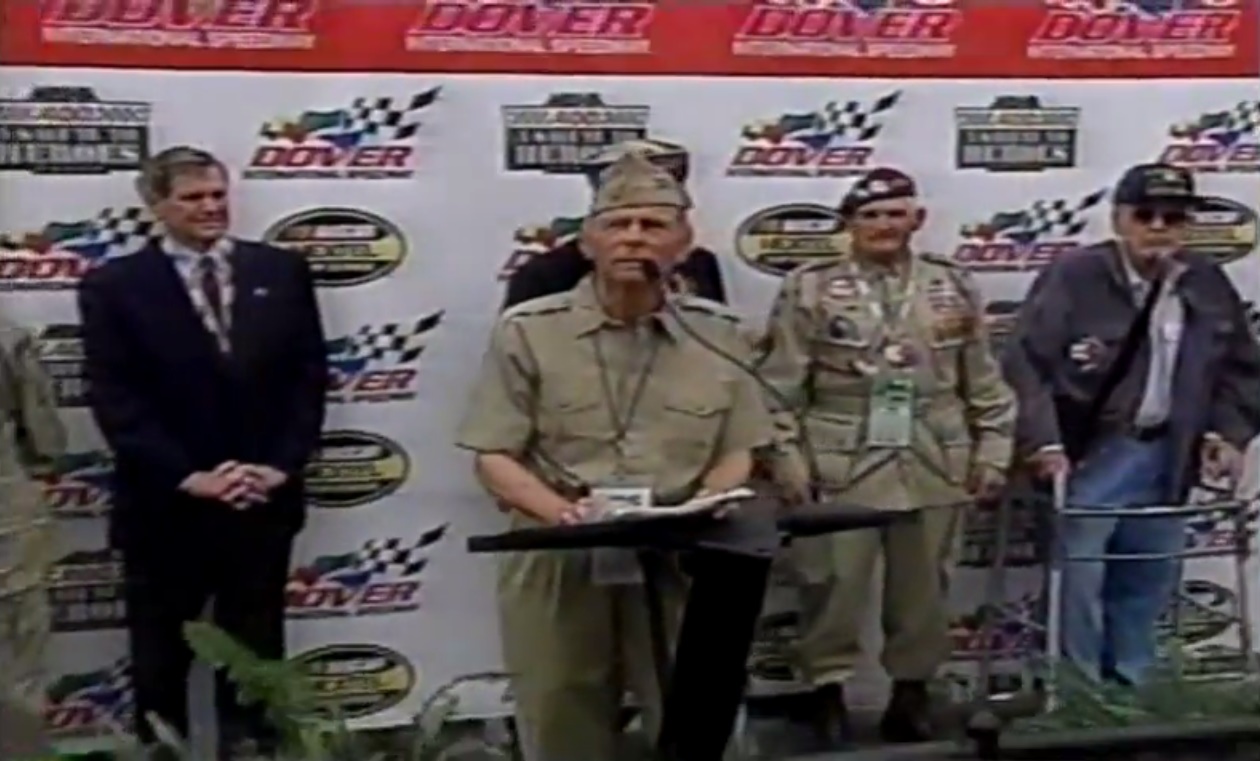
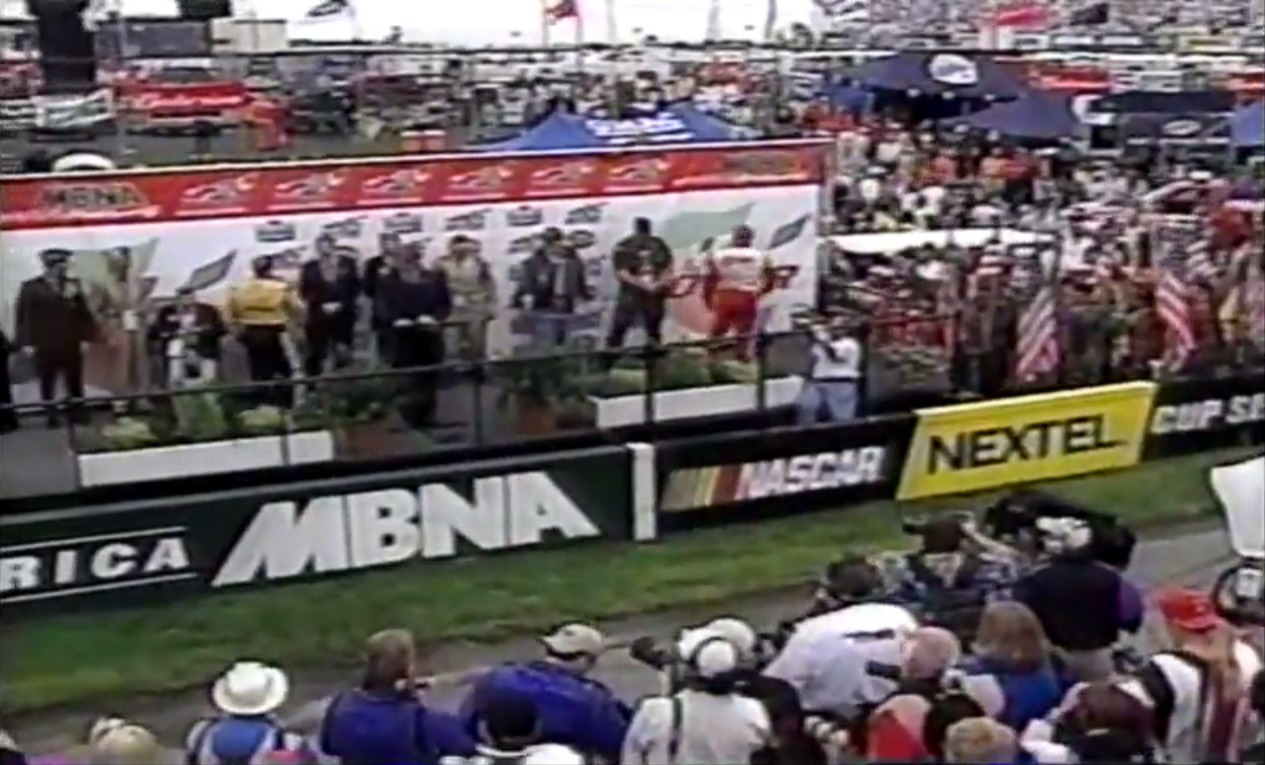
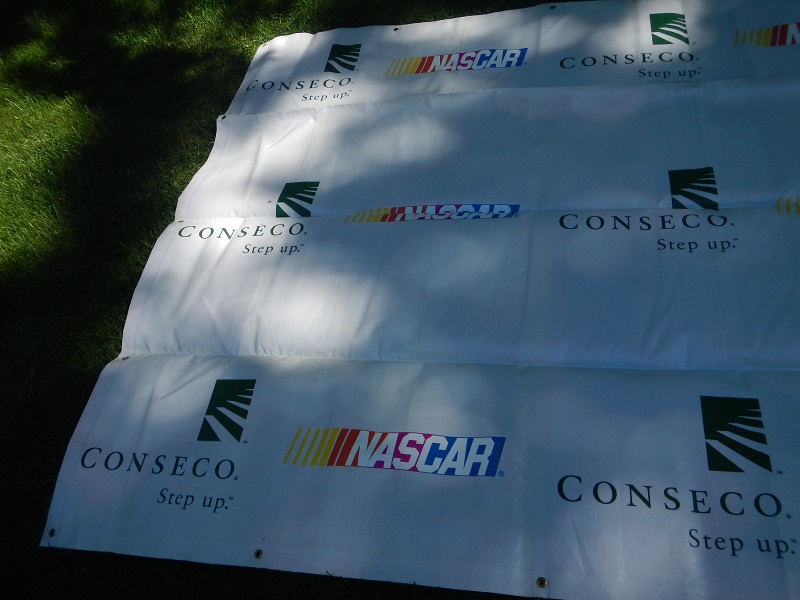
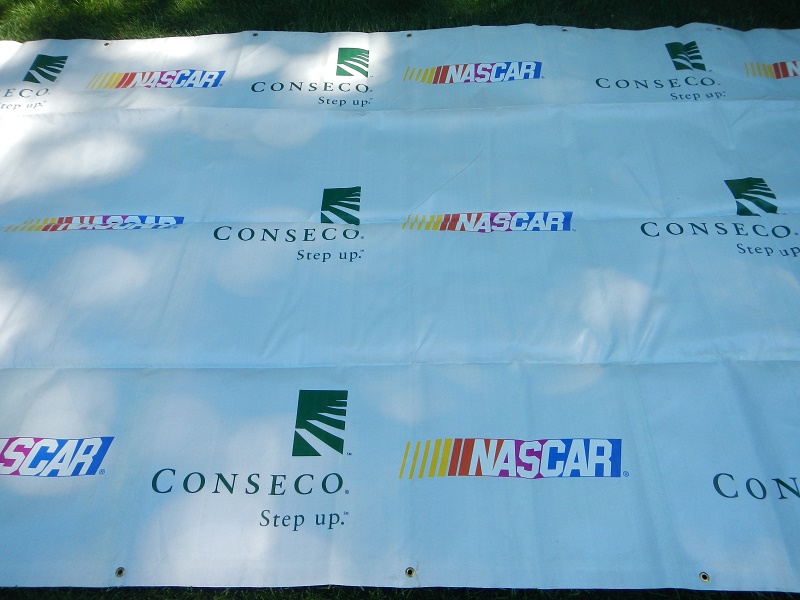
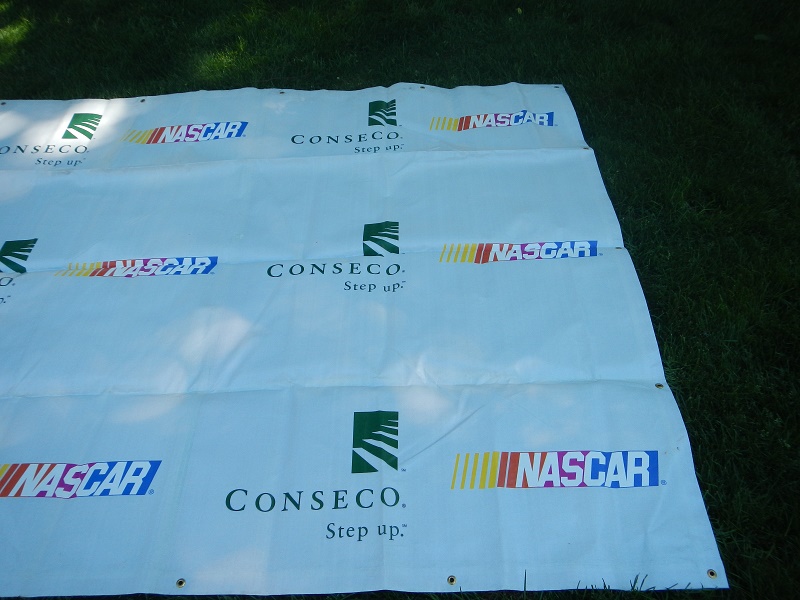
This phenomena has spread to NASCAR. With the reconfiguration of Daytona, a slew of memorabilia from the track is now up for sale on eBay and NASCAR.com. Stadium memorabilia comes in several forms. These include seats, signs, scoreboard parts, and playing surfaces, amongst other things. I like to focus on playing surfaces. I have a number of different samples of artificial turf, some baseball infield dirt, and track pieces. This example came from Daytona after the repave in 2011.daytona2 The entire 2.5 mile surface was removed and the track repaved. The old track was cut into pieces and sold to fans. This is an example of one of those pieces. It is 3 inches by 2 inches, about a third of an inch thick, and has a small plaque on it commemorating that it came from the track.daytona1 daytona2 daytona3 daytona4No track is as well-known as Indianapolis. Affectionately known as “The Brickyard” because of the yard of original bricks that make up the start/finish line.indy-1 The line has had several different paint jobs over the years. This plaque has a piece of an original brick, and part of the start/finish line. The pieces of brick, and start/finish line are 1 ½ inch square, and the whole plaque is six inches by 1 foot.indy-1 indy-2 indy-3 indy-4This is a small piece of the racing surface from Talladega. Moving away from racing surface pieces, we move to this piece, which is a banner from the 2004 MBNA America 400 “A Salute To Heroes.” dover-backdrop-1The race took place on June 6, 2004, exactly 60 years after the D-Day invasion. Racing, especially NASCAR holds our military personnel and veterans in the high esteem they richly deserve, and the theme of this race was honoring our veterans. The race had an even more somber note. Ronald Reagan has passed away the previous day. This backdrop, which measures 8 feet tall by 26 feet long was used during the pre-race ceremonies, which included commemoration ceremonies, driver introductions, the invocation, and national anthem. I was able to video match it to the telecast. I normally add a white background to these photos, but I didn’t do that. I wanted to show the size of the banner, and so I had to lay it out on the front lawn, and photograph it from my office window.dover-backdrop-1 dover-backdrop-2 dover-backdrop-3 dover-backdrop-4 dover-backdrop-5 dovers-1 dovers-2This last item isn’t stadium used per se, but it falls in line with the banner above. AJ Foyt Enterprises fielded cars in IndyCar, NASCAR, CART, and USAC. While their IndyCar programs were successful, their NASCAR program wasn’t. From 2000 to 2002, Foyt’s #14 was sponsored by Conseco. For that sponsorship, this backdrop was created.conseco-1 It’s about a 1/3 the length of the Dover banner, but the same height. It has a series of NASCAR and Conseco logos.conseco-1 conseco-2 conseco-3 conseco-4That’s the Friday Feature this week, but next week, I’ve got an interesting little quirk in auto racing memorabilia…stay tuned.

Autographed Die Casts-A Fan Favorite!

By David G. Firestone

While the preferred autographed item per sport varies, for many sports, the item is obvious. Hockey has pucks, golf has golf balls, baseball has…well, baseballs, other times the autographed item of choice isn’t as obvious. In auto racing there are several items people like to get autographed. These include such things as helmet visors, crew shirts, and hats, but one of the most autographed items by drivers are 1:24 die cast replica cars.

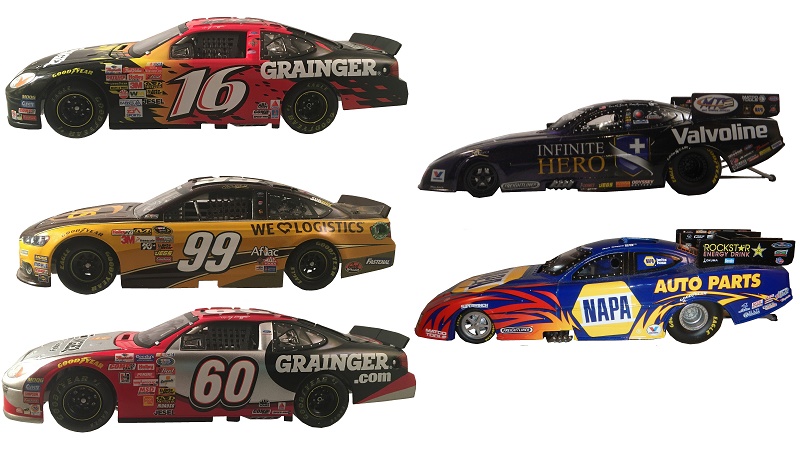
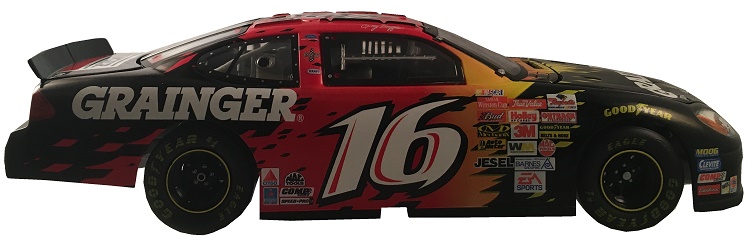
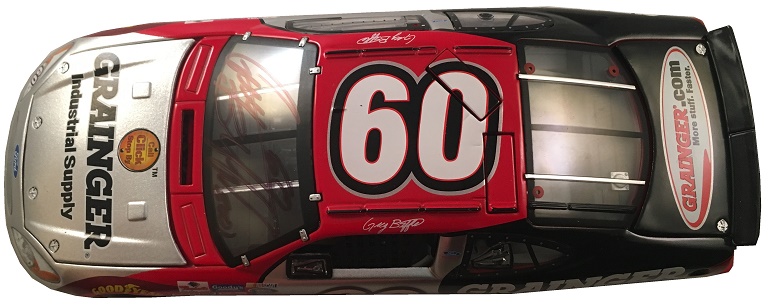
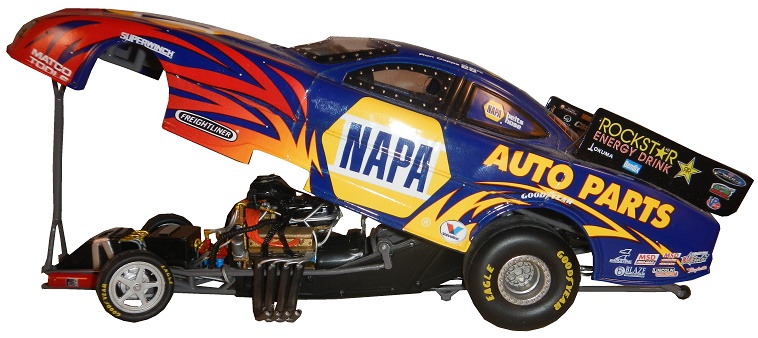
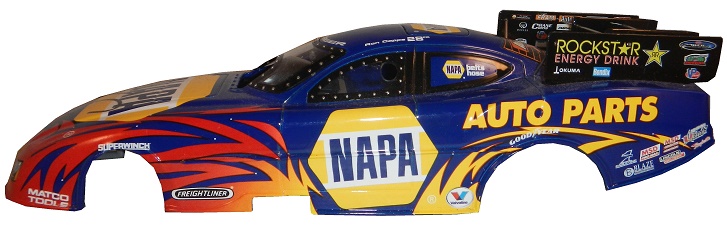
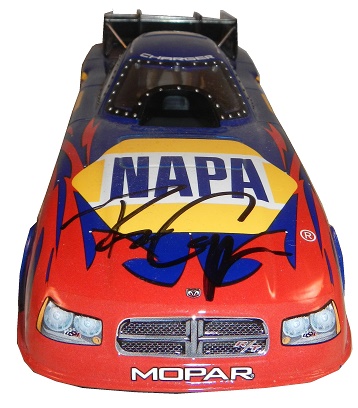
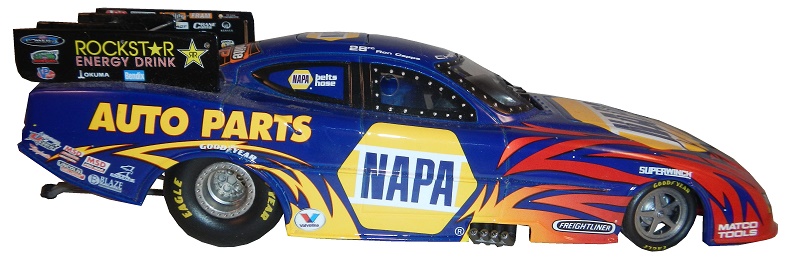
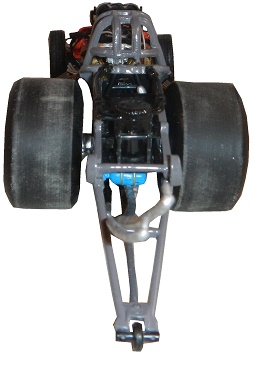
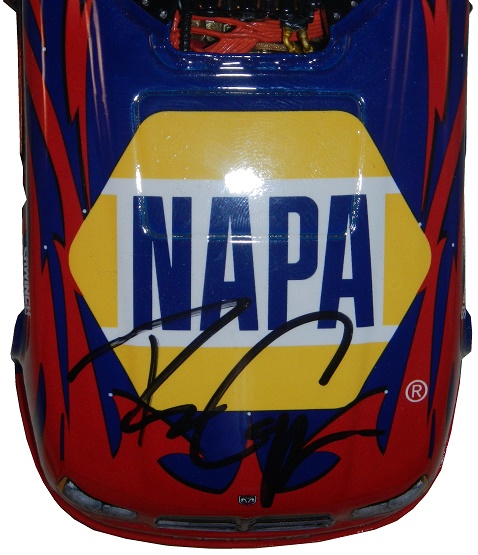
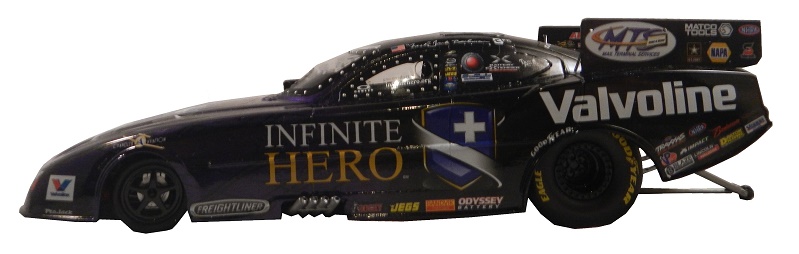
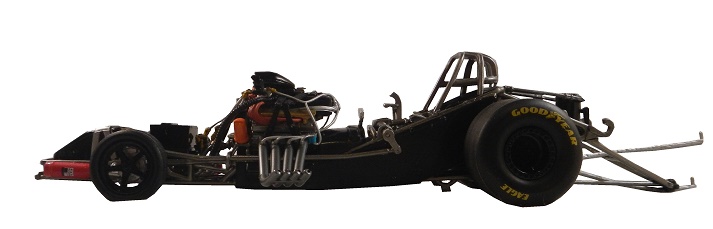
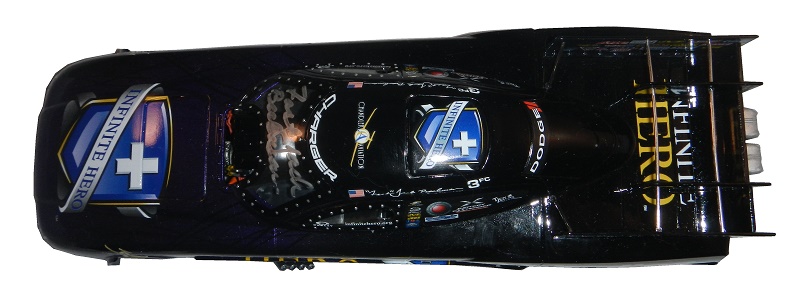
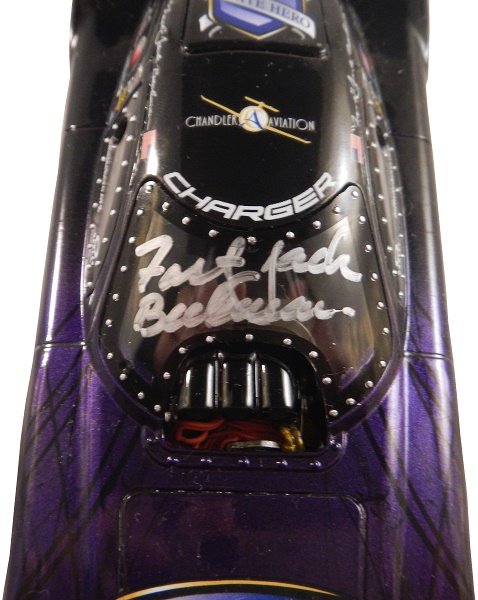
Fans get autographed die casts in one of two ways. The first way is to purchase an unsigned die cast, and have the driver sign it, at a race, signing or sponsor event. The first two examples are Greg Biffle die casts from his days at Roush Racing sponsored by Granger. An employee of Granger was able to get these two die casts signed by Biffle. The first is a Cup Series #16 Ford die cast. The die cast is signed in black, and signed on the hood, as some drivers prefer to hand sign the hood at these events. The second Greg Biffle Granger die cast was also signed at the same event. This die cast is a #60 Roush Ford from the Busch Series. Like the #16, it is also signed on the hood. This is a Ron Capps NAPA 1:24 die cast. I purchased the die cast at the 2013 NHRA Route 66 Nationals, and got it signed by him during Saturday qualifying. Like the previous two, it was signed on the hood area in black ink. The other way fans get autographed die casts is buying them pre-signed. Drivers will sign the windshield, and then it will be added to the die casts. These die casts will come with COA’s. An example is this Carl Edwards #99 UPS die cast. Carl Edwards has signed the die cast windshield in silver ink. This is a Jack Beckman Infinite Hero Challenge Funny Car pre-signed die cast from 2014. Like the Carl Edwards die cast, it is signed on the windshield in silver ink, and comes with authentication. Next week, a video of miscellaneous items in my collections.

Yet Another Look at Driver Suit Blog Favorite TJ Zizzo

Editor’s Note: I have another project to attend to this week, so I’m going to repost a TJ Zizzo feature from last year.

By David G. Firestone

TJ Zizzo is the driver, he’s based in Lincolnshire Illinois, I’m based in Evanston, I’ve purchased a number of items from him.

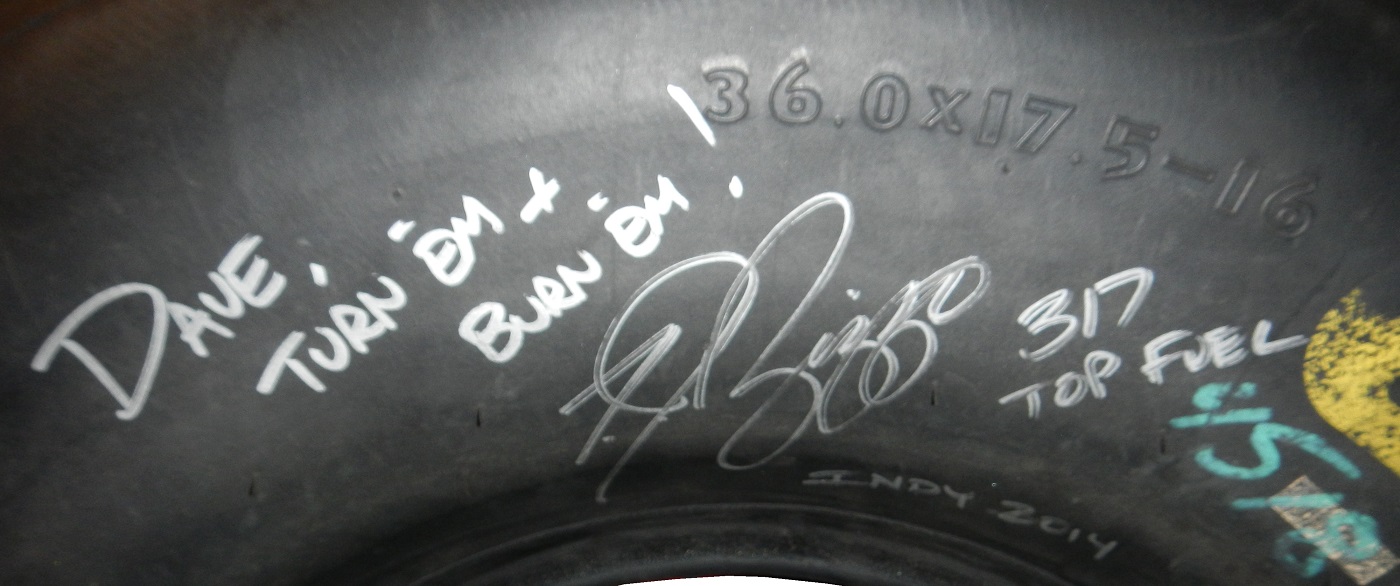
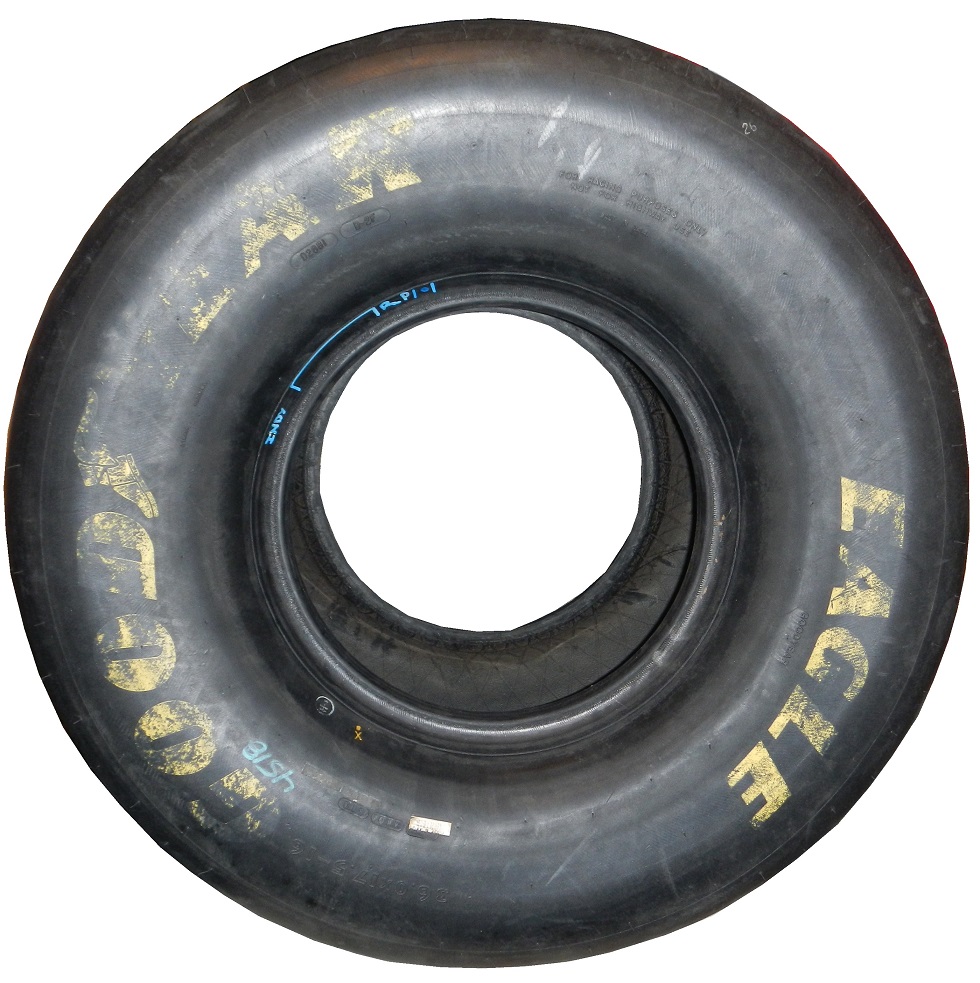
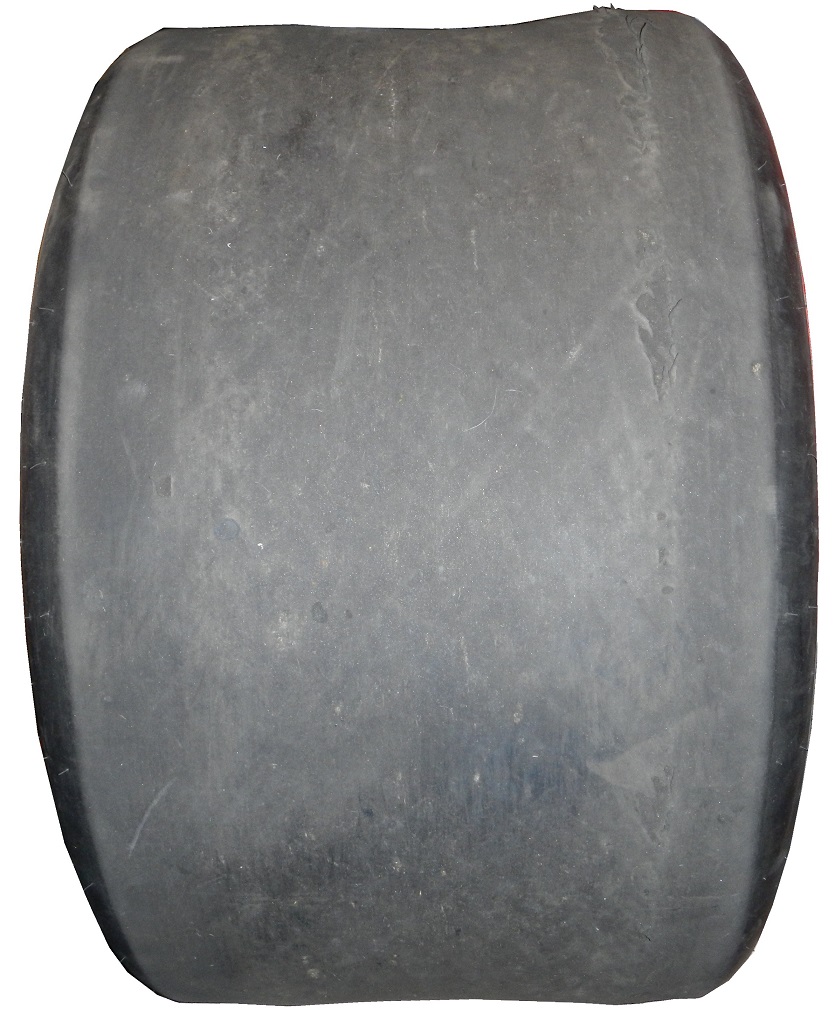
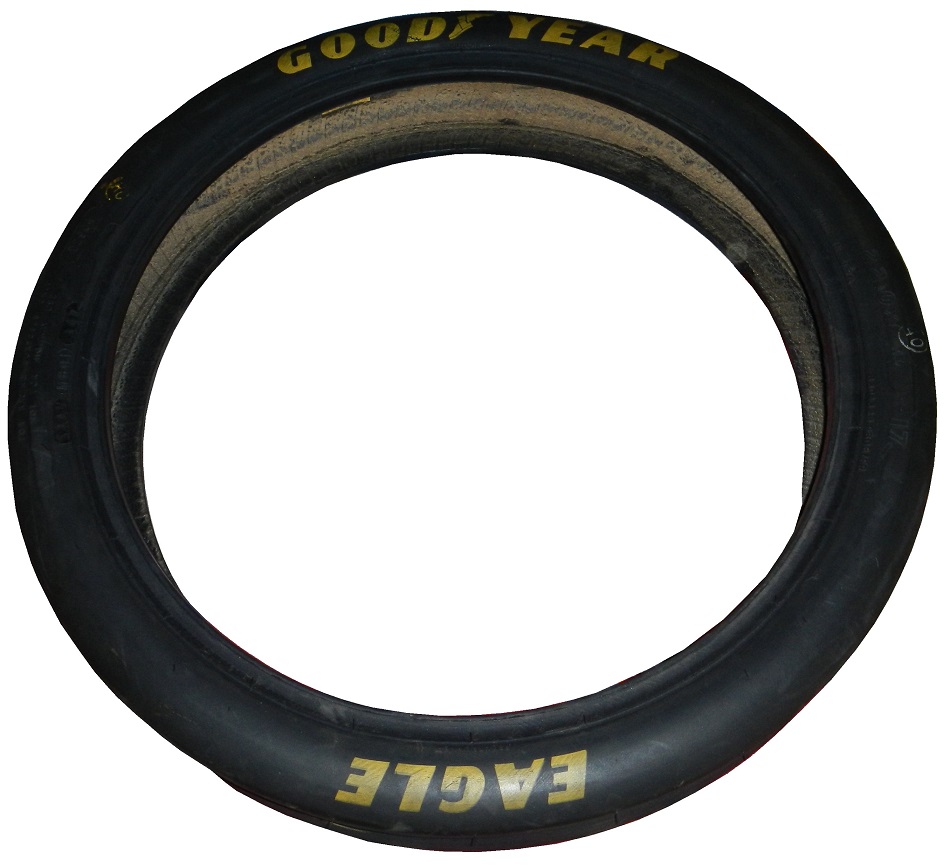
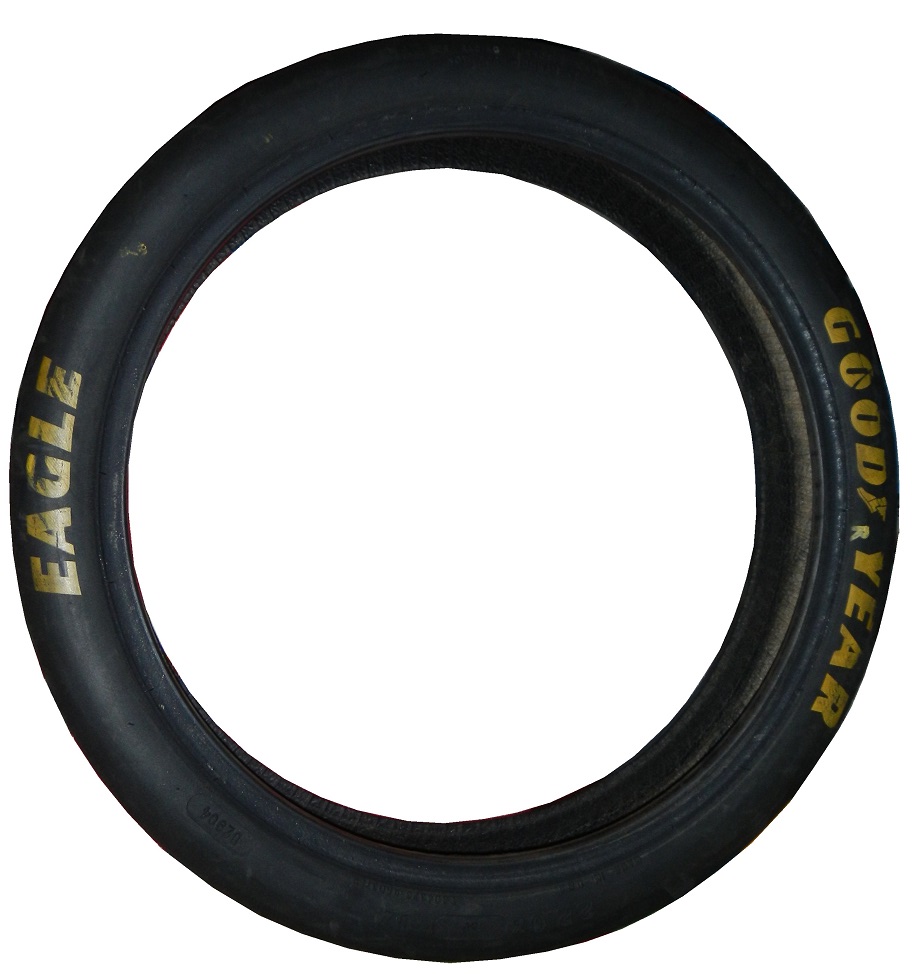
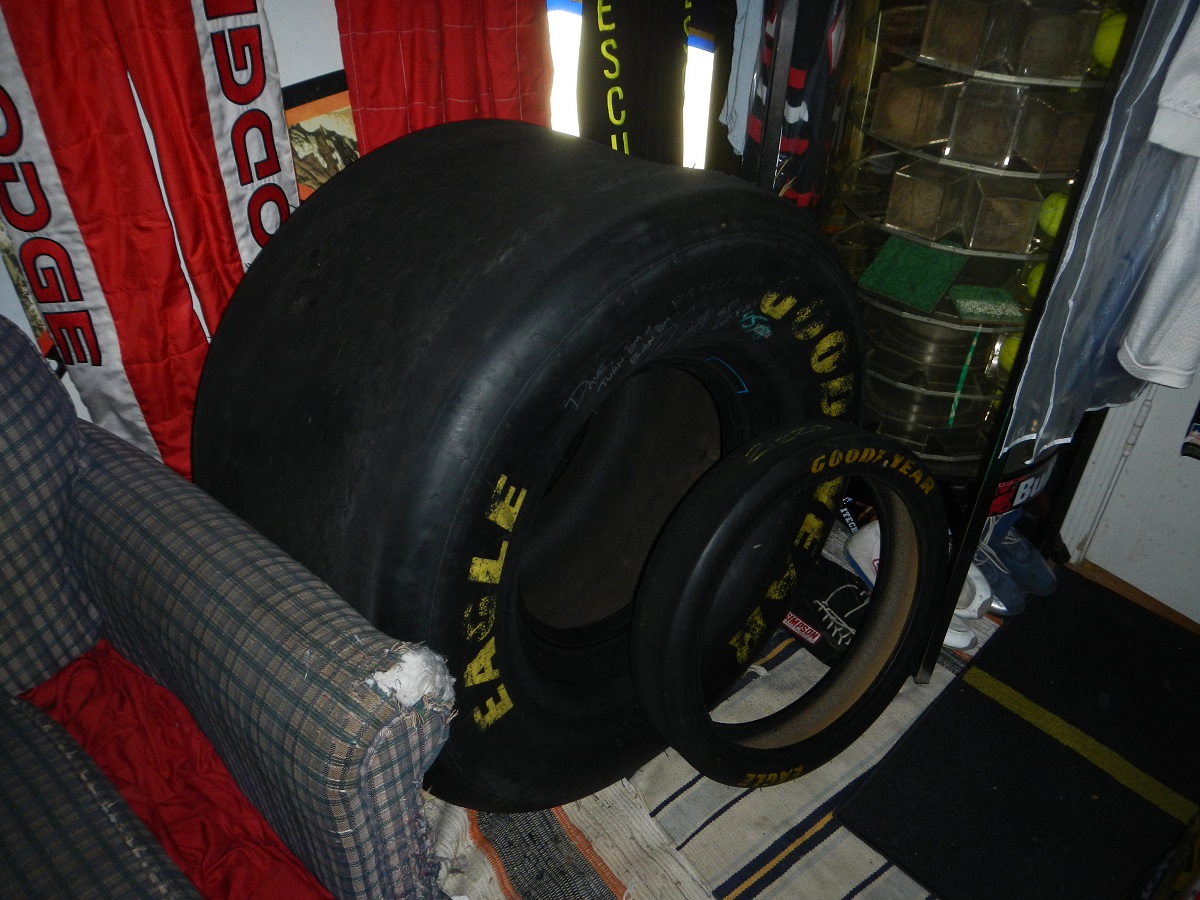
One of the things that I got was a visor. When I purchased it back in 2014, I’d been wanting to get an NHRA visor from some time, and I got one that had the modification I’ve been seeing. The visor shows some light use. I asked TJ why he had this modification, and he said that he wants to focus on the task at hand. He said that drag racing drivers can notice things, birds, scoreboards, women in the crowd, etc in the car in the moments leading up to the race, and this modification helps the driver by giving him tunnel vision. Tunnel vision is seen by the majority of people as a bad thing, but in something like drag racing, where intense focus for a brief period of time is a mandate, tunnel vision is a good thing. Top fuel dragsters have 10,000 horsepower and can go from 0 to 325 mph in less than 3 seconds. When you are behind the wheel of a car with that much power, you need to focus on the race as much as possible. TJ wears this style of visor because, the less he can see out of the helmet, the more he can focus on the race. TJ even said that this visor is much less covered than his current version, which looks something like this…In 2014, at the U.S. Nationals, TJ suffered a major engine explosion. He still has the blower drive seen flying in the video. I was amazed how heavy it was. He has one shelf in his new shop that has the pieces of the engine, and the damage suffered, from a fan’s stand point. The manifold that blew was made of solid magnesium and was heavy duty. The crankshaft in question was not only broken, but was slightly bent near the break. I wound up getting one of the rear tires from that race. Rear tires from top fuel dragsters are 3 feet tall by 17 inches wide. I’m planning on getting a glass to and making a coffee table at some point. The level of wear on the tires is amazing, with large patches of damage from the explosion. TJ also signed it and personalized it to me! I also got a front tire, which is 22 inches tall, by 3 inches wide. I’m not sure when it was raced, but it does show wear and it has ZIZZO written on the tread. To give an idea the size difference between the two, here are the two of them together in my office…One of my big gets was a TJ Zizzo Peak parachute. Zizzo ran two of these chutes on the back of his dragster from 2010 to 2013., and this example is 12 feet by 12 feet. It shows a decent amount of wear, with stains and holes. There is a hole in the center that allows the chute to be deployed, and there is an inventory tag placed here as well. On the cables connecting the chute to the car, there is some extra protection. This is necessary because on top fuel dragsters, the engine is very close to the parachute attachment, and in the event of a fire, the chute will still be able to function. TJ’s example shows some wear on the silver layer. One thing that a lot of non drag racing fans don’t realize is that many drivers pack their own chutes. Race car drivers are control freaks, and so this makes sense. The logic a few drivers use is that if I mess it up, I don’t have anyone to blame for it except myself.

The pilot chute is attached here as well. Pilot chutes are universally used to deploy parachutes. When the cords are pulled, and the chute is released, the pilot chute deploys, which catches air and pulls the primary chute behind it. The chutes are strapped to a bar at the back of the car, the straps pre-covered in Nomex to prevent fire damage, then packed into a bag, before the race. I’ve discussed the importance of spark plugs, and their prevalence in the auto racing memorabilia market before, so I won’t go into that again. I will show one of TJ Zizzo’s race-used spark plugs, which he managed to autograph. Given the size of the plug, that isn’t easy to sign.Next week, I will discuss autographed die casts.

Yet Another Look at Driver Suit Blog Favorite TJ Zizzo

Editor’s Note: I have another project to attend to this week, so I’m going to repost a TJ Zizzo feature from last year.

By David G. Firestone

TJ Zizzo is the driver, he’s based in Lincolnshire Illinois, I’m based in Evanston, I’ve purchased a number of items from him.

One of the things that I got was a visor. When I purchased it back in 2014, I’d been wanting to get an NHRA visor from some time, and I got one that had the modification I’ve been seeing. The visor shows some light use. I asked TJ why he had this modification, and he said that he wants to focus on the task at hand. He said that drag racing drivers can notice things, birds, scoreboards, women in the crowd, etc in the car in the moments leading up to the race, and this modification helps the driver by giving him tunnel vision. Tunnel vision is seen by the majority of people as a bad thing, but in something like drag racing, where intense focus for a brief period of time is a mandate, tunnel vision is a good thing. Top fuel dragsters have 10,000 horsepower and can go from 0 to 325 mph in less than 3 seconds. When you are behind the wheel of a car with that much power, you need to focus on the race as much as possible. TJ wears this style of visor because, the less he can see out of the helmet, the more he can focus on the race. TJ even said that this visor is much less covered than his current version, which looks something like this…In 2014, at the U.S. Nationals, TJ suffered a major engine explosion. He still has the blower drive seen flying in the video. I was amazed how heavy it was. He has one shelf in his new shop that has the pieces of the engine, and the damage suffered, from a fan’s stand point. The manifold that blew was made of solid magnesium and was heavy duty. The crankshaft in question was not only broken, but was slightly bent near the break. I wound up getting one of the rear tires from that race. Rear tires from top fuel dragsters are 3 feet tall by 17 inches wide. I’m planning on getting a glass to and making a coffee table at some point. The level of wear on the tires is amazing, with large patches of damage from the explosion. TJ also signed it and personalized it to me! I also got a front tire, which is 22 inches tall, by 3 inches wide. I’m not sure when it was raced, but it does show wear and it has ZIZZO written on the tread. To give an idea the size difference between the two, here are the two of them together in my office…One of my big gets was a TJ Zizzo Peak parachute. Zizzo ran two of these chutes on the back of his dragster from 2010 to 2013., and this example is 12 feet by 12 feet. It shows a decent amount of wear, with stains and holes. There is a hole in the center that allows the chute to be deployed, and there is an inventory tag placed here as well. On the cables connecting the chute to the car, there is some extra protection. This is necessary because on top fuel dragsters, the engine is very close to the parachute attachment, and in the event of a fire, the chute will still be able to function. TJ’s example shows some wear on the silver layer. One thing that a lot of non drag racing fans don’t realize is that many drivers pack their own chutes. Race car drivers are control freaks, and so this makes sense. The logic a few drivers use is that if I mess it up, I don’t have anyone to blame for it except myself.

The pilot chute is attached here as well. Pilot chutes are universally used to deploy parachutes. When the cords are pulled, and the chute is released, the pilot chute deploys, which catches air and pulls the primary chute behind it. The chutes are strapped to a bar at the back of the car, the straps pre-covered in Nomex to prevent fire damage, then packed into a bag, before the race. I’ve discussed the importance of spark plugs, and their prevalence in the auto racing memorabilia market before, so I won’t go into that again. I will show one of TJ Zizzo’s race-used spark plugs, which he managed to autograph. Given the size of the plug, that isn’t easy to sign.Next week, I will discuss autographed die casts.

Another Example of a Pit Crew Helmet…

By David G. Firestone

Hailing from Chesapeake, Virginia, Ashton Lewis Jr. was an American driver with a lot of success on road courses. He raced in the Barber Saab Pro Series in 1992, before getting a scholarship in the British Formula Ford Championship. He made his Xfinity Series debut in 1993, and raced until 2006.

In 2004, Ashton raced for Lewis Motorsports, owned by his family. He had a decent season, scoring 3 top 5’s and 8 top 10’s in 34 races. He also finished 6499 of 6684 laps for a lap completed percentage of 97.2%. During that season, one of his crew members wore this Simpson helmet. The helmet is in decent condition, with the radio removed.  The left side shows some scratches.Near the front on the left side is where the microphone was. There are some small holes where it was removed.The front doesn’t have a face shield, but it does have a visor to keep the sun out of the wearer’s eyes.The right side does show some scratches as well.The back has a lot of scratches, and one very large black scuff mark.The top shows some minor scratches.The inside has fire resistant padding, and the radio equipment has been removed. Next week, a Driver Suit Blog favorite returns!