By David G. Firestone
I know I promised to do an orthopedic brace piece, that will take place next week. You can’t collect racing memorabilia without talking about equipment. The parts and pieces that make the car go, are just as important, and interesting as most other racing memorabilia.
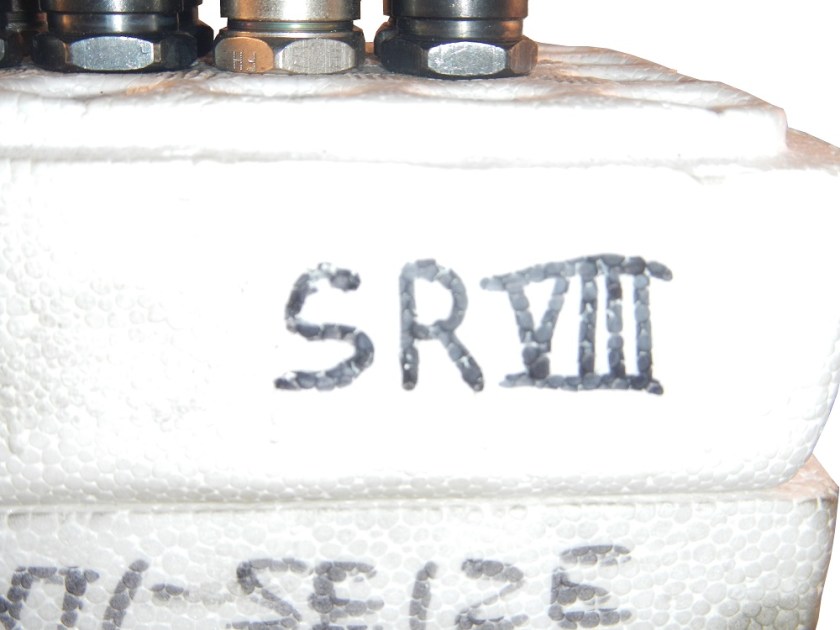
One incarnation that Don Garlitts worked with before he settled on Swamp Rat XIV was Swamp Rat VIII. Swamp Rat VIII was built in 1964. Swamp Rat VIII was designed to use the Dodge 426 Elephant Hemi engine. The 426 was a lot harder to tune than the old 392, so Garlitts did not have a good year, though once he figured it out, it was an impressive car. The 426 Hemi was such a good design, it is still the car used by the NHRA to this day, in Top Fuel and Funny Car. Garlitts cut the car in half, and used the front half to make Swamp Rat X. In 2005, Garlitts rebuilt the car, and in 2006, took it to a few vintage races. This is a set of spark plugs pulled from that recreated car. The set of 8 plugs comes in a Styrofoam case, which has been autographed by Garlitts. Each plug shows some wear, some more than others.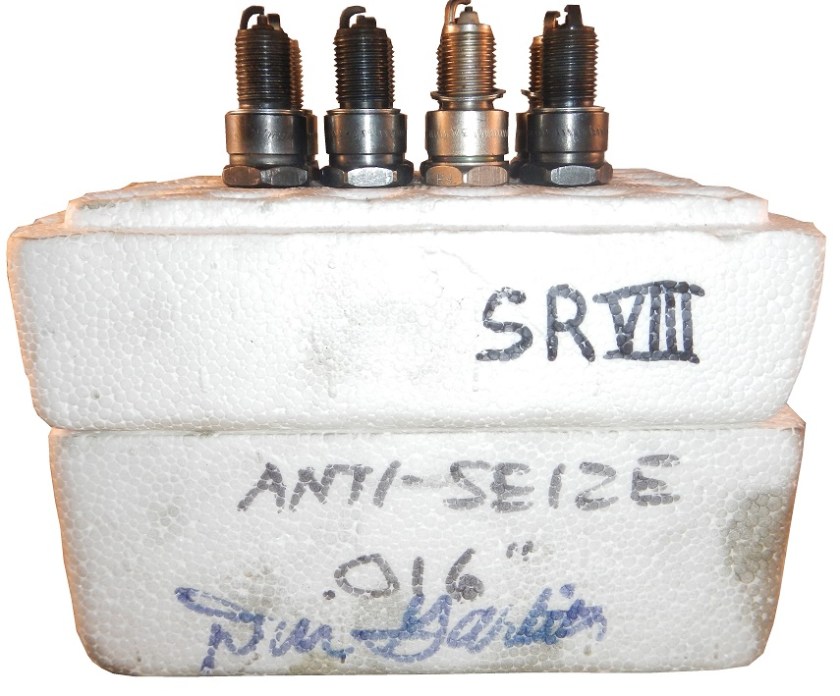


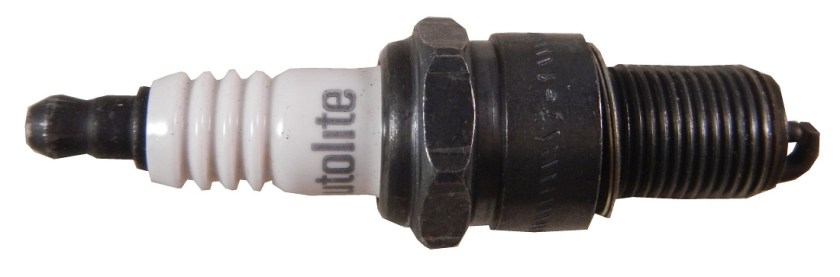

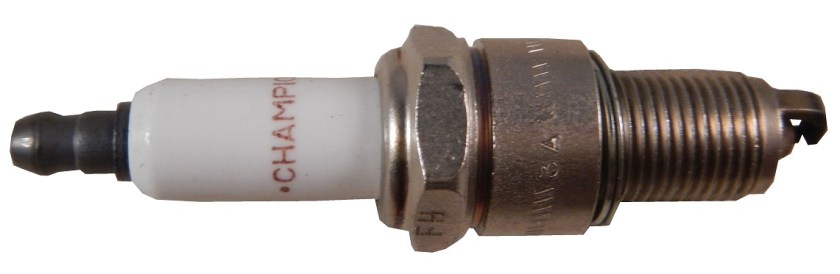

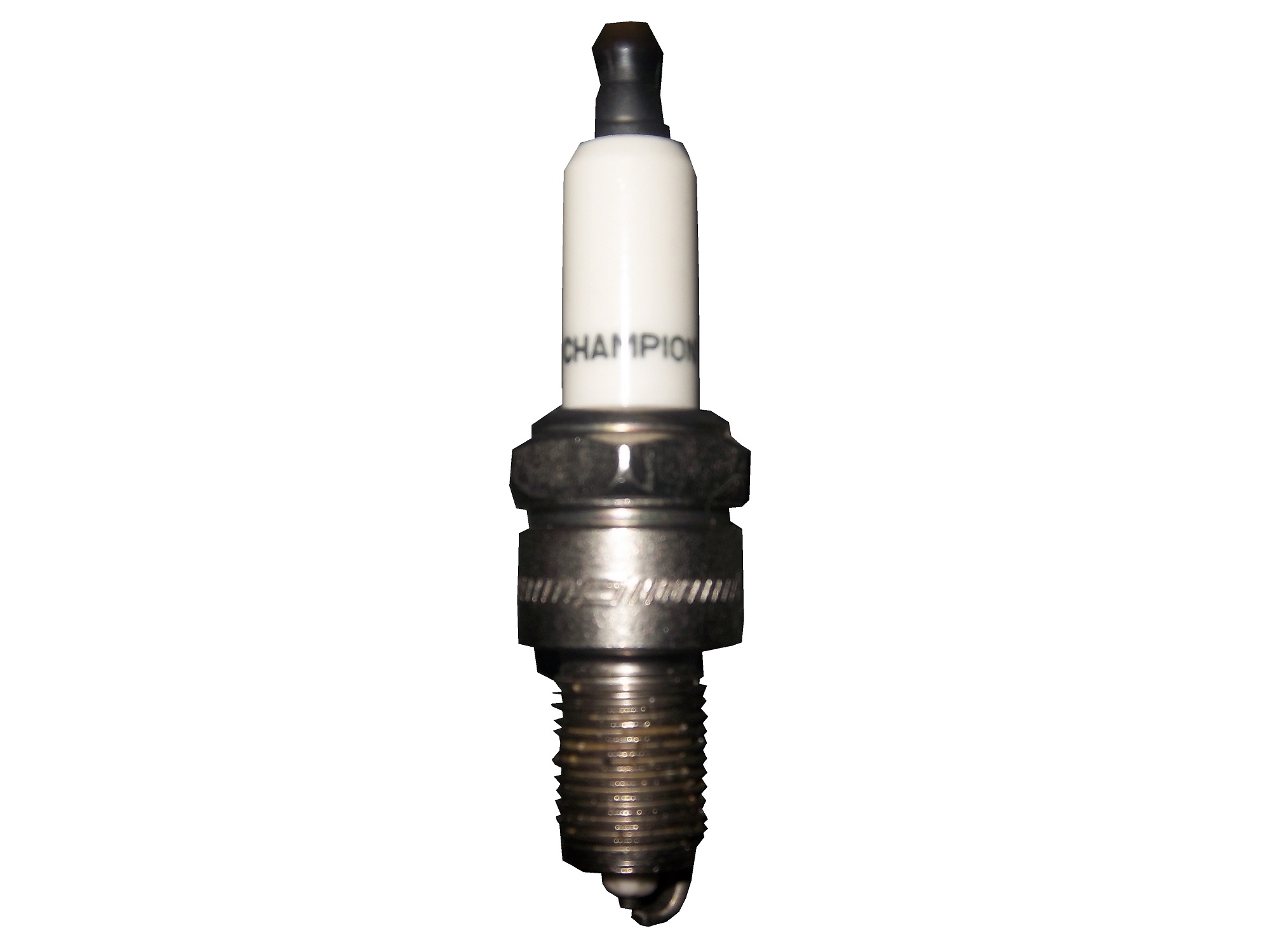
 This is a spark plug from Morgan Lucas Racing.
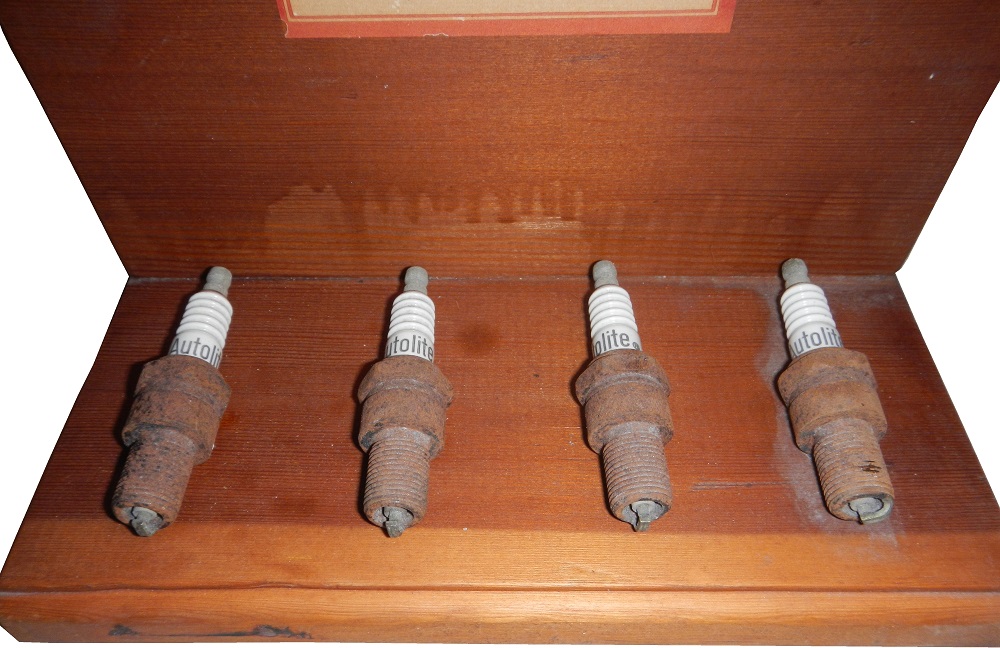
 In 1970, Johnny Rutherford raced an Eagle chassis with an Offenhauser engine. He didn’t score a win, and had 3 DNS’s. These plugs came from that Offenhauser engine. They have been mounted to a wood display, with a small paper sign.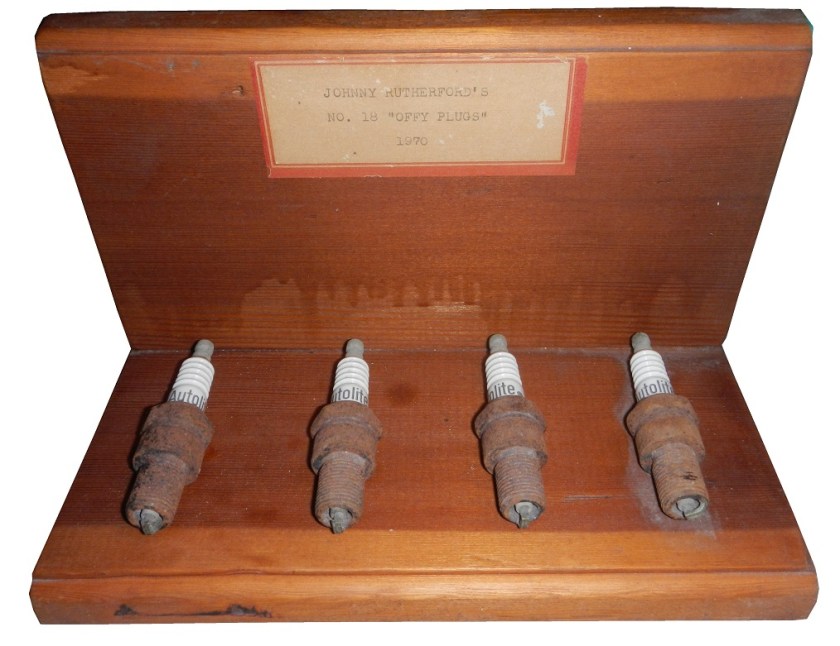

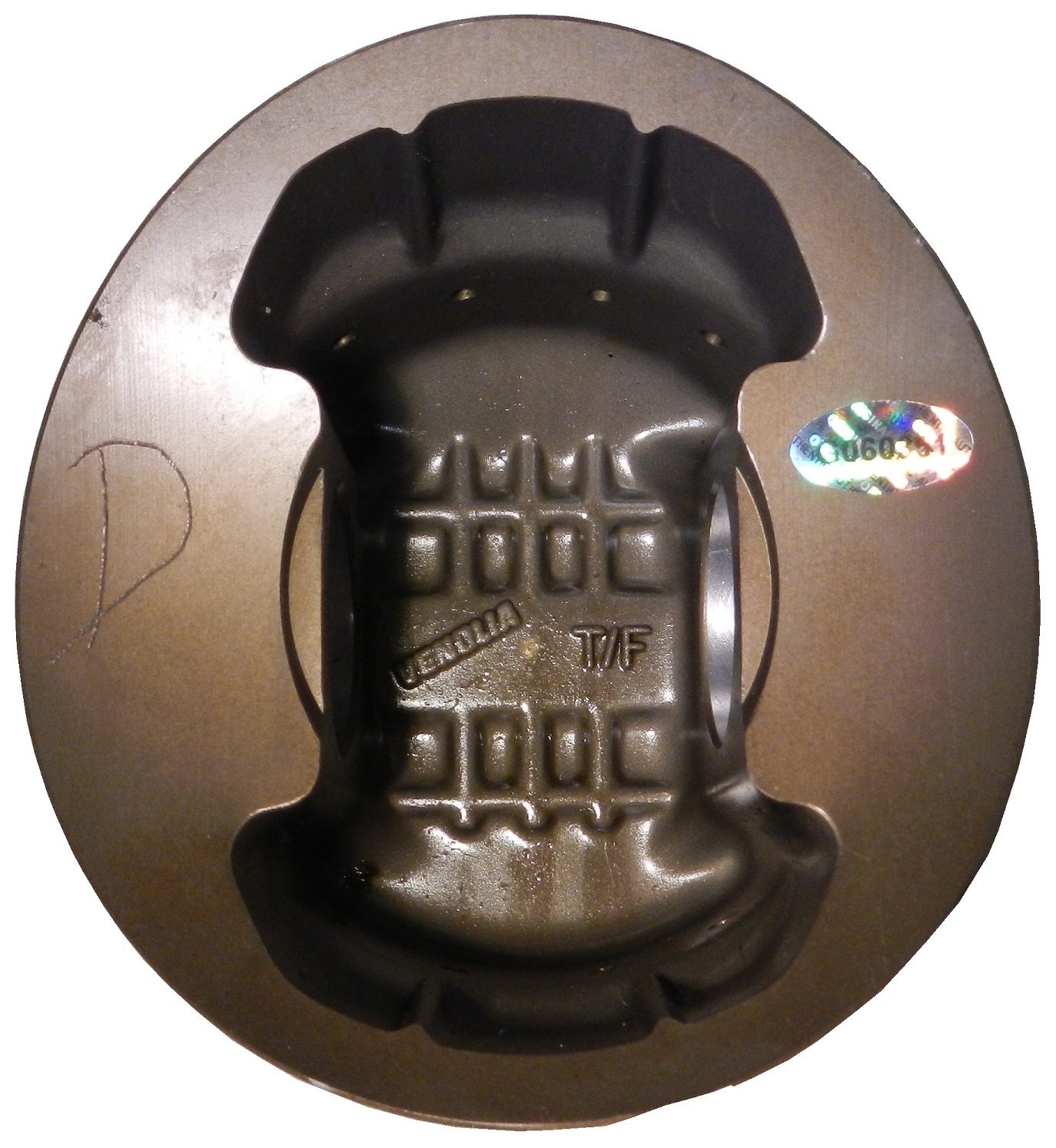
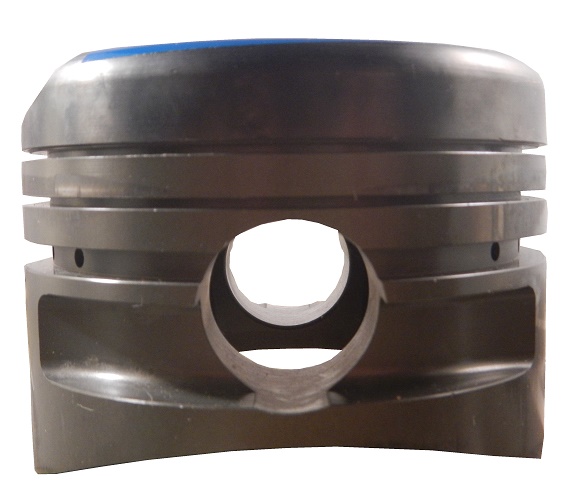
 When the race is on, a thousand things can go wrong with the car, especially the engine. One of the most common pieces of equipment to go wrong is with pistons. Top fuel and funny car pistons generate 1,250 horsepower each. If they aren’t aligned right, aren’t lubricated enough, or something is wrong, that can cost the driver a win or even a championship. This example is a piston head used and autographed by Brandon Bernstein. It was only used for one run, but shows some light use, and is in good condition.
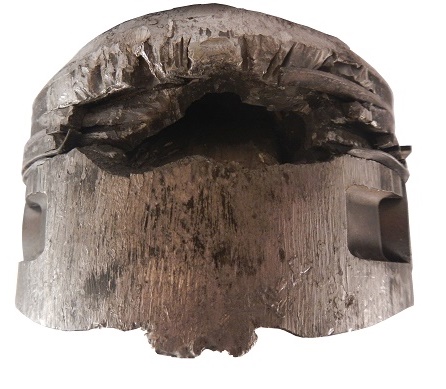
 Now let’s look at an interesting Del Worsham piston from 2002. The story behind this piston is interesting. At the 2002 Checker Schuck’s Kragen Nationals at Firebird International Raceway, Del Worsham beat John Force in the final. Worsham temporarily denied Force his 100th event win. This mangled piston wrecked the engine block during that run. The piston chewed the block and itself up during that final run. Part of the piston arm is still wedged inside the piston, and one side is almost completely gone.


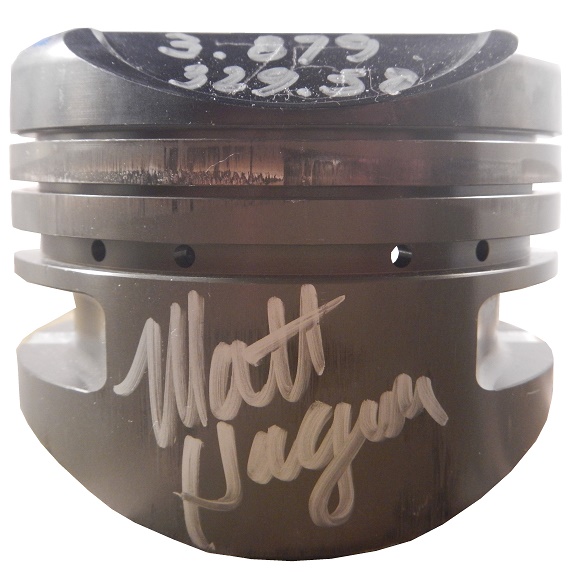
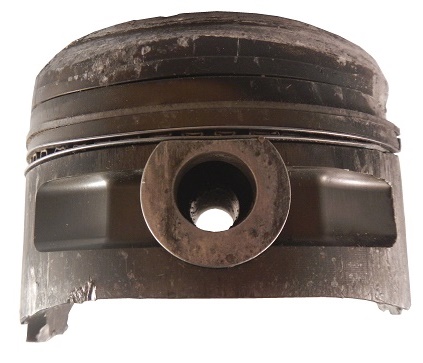
 Brainerd International Raceway in Brainerd, Minnesota isn’t known as a place where records get broken. In 2015, the big highlight for funny car at Brainerd was Del Worsham vs. Matt Hagan in an elimination round. During that run, Hagan ran a blistering 3.879 second elapsed time. This piston head came from Hagan’s car during that historic run.


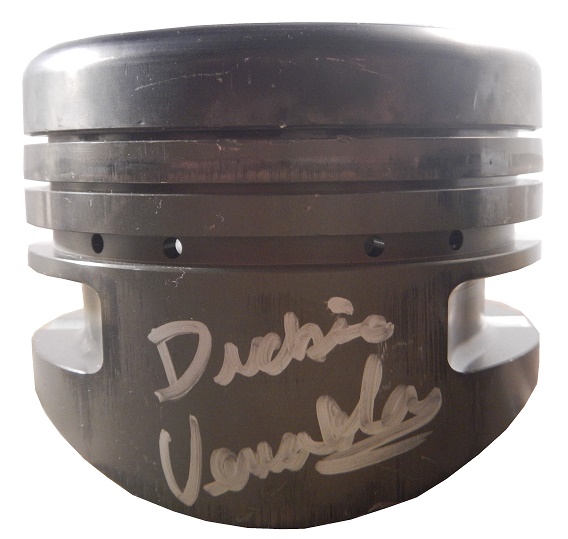
 This piston shaft was used and autographed by Bob Vandergriff.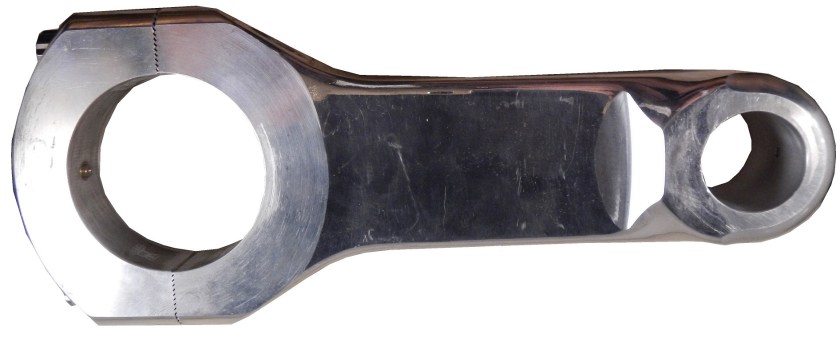
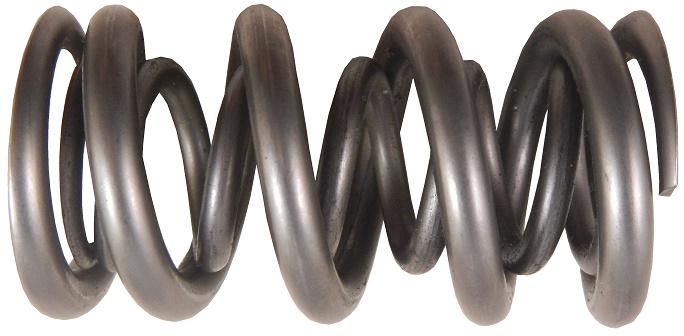
 Valve springs help the opening and closing of the valves at the speed the engine requires. These are three examples, one from Cruz Pedregon, and two from Paul Lee.


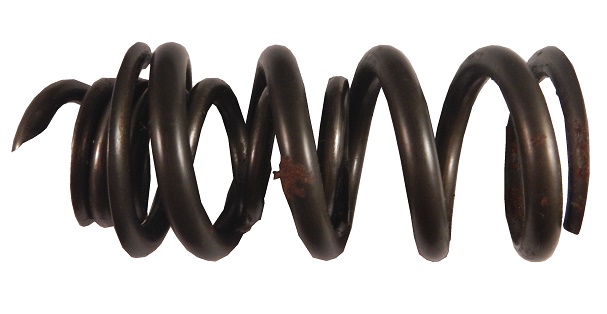
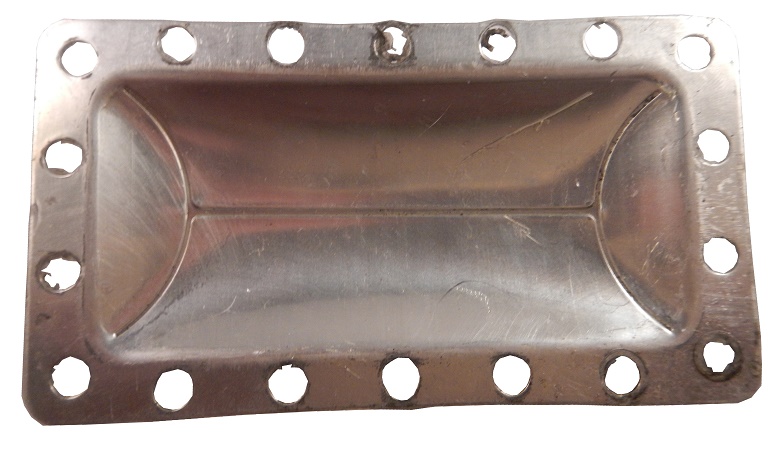
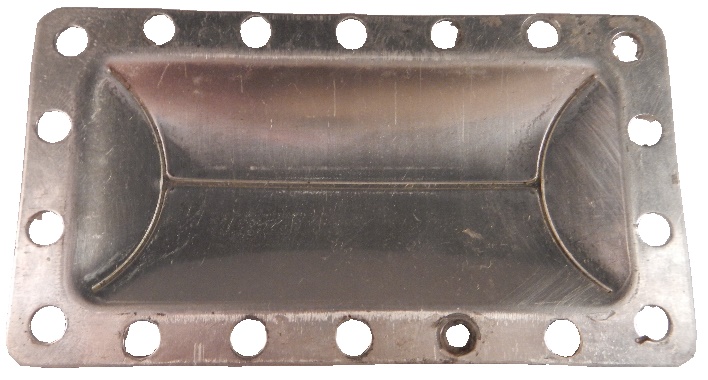
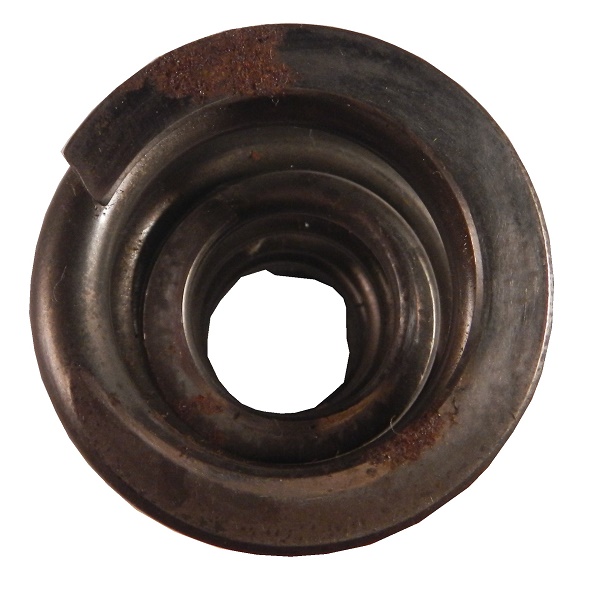 On the subject of Paul Lee, these are what are known as manifold burst panels. These are specifically design to burst when the pressure in the manifold gets too high. They are meant to sacrifice themselves to save the engine.

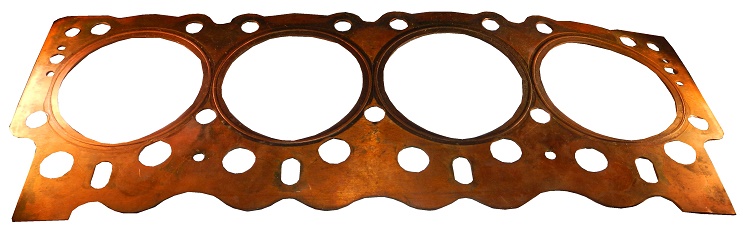
 I also have this head gasket from Paul Lee. NHRA engines are sealed systems, under a lot of pressure and heat. Expansion of engine parts will occur, and copper head gaskets are used to keep the seal intact. They will expand with the rest of the engine. This is an example Paul Lee’s funny car. It is bent, and shows staining from race wear.
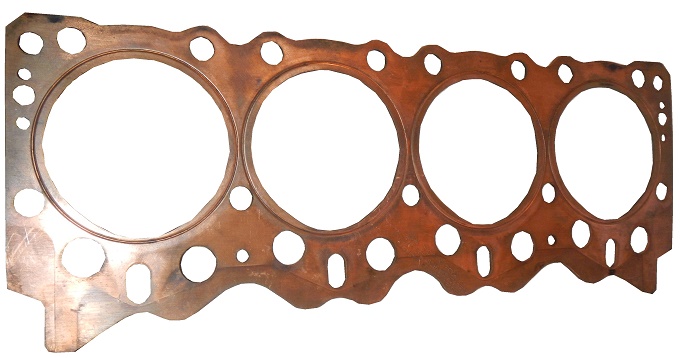
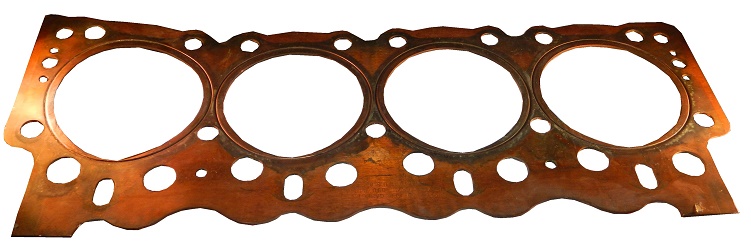 This is a head gasket from Morgan Lucas. It shows decent wear.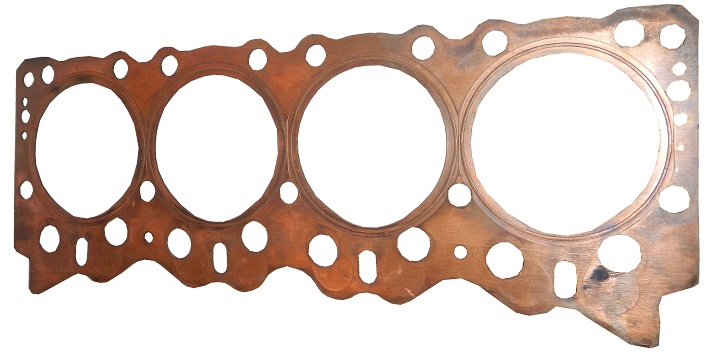
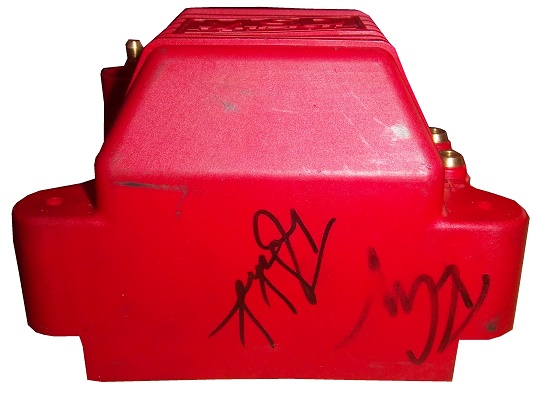
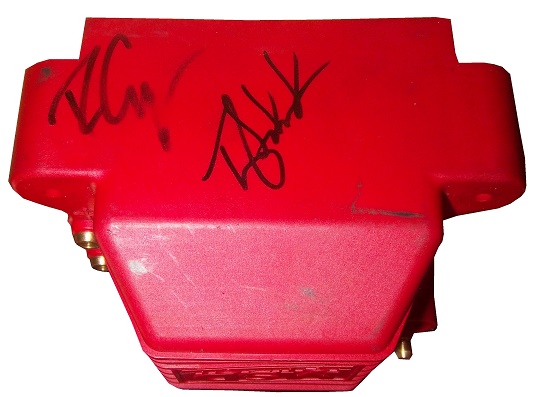
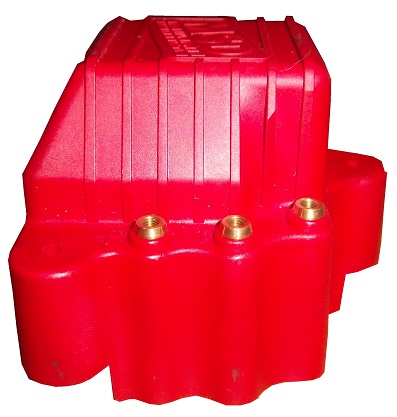
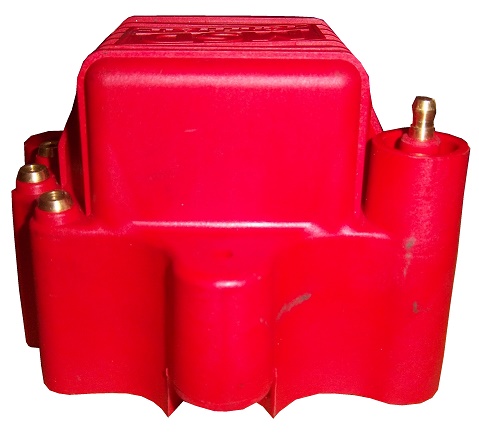
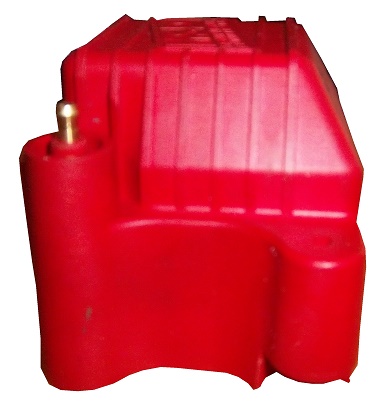
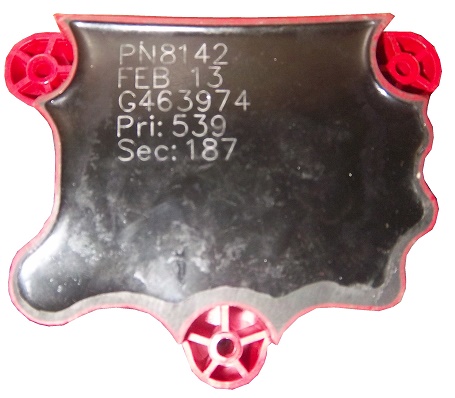
 At Route 66 in 2014, I got this ignition coil from Morgan Lucas Racing. Ignition coils are used to turn on cars in general, but this MSD 8142 is designed to fire up these 11,000 horsepower engines, which need a lot of electricity to start and operate. I was fortunate enough to have Tony Schumacher and Ron Capps autograph it in person.

 I have this timing belt from Bob Tasca’s Motorcraft Funny car, this one used in his first qualifying session at the Ford Thunder Valley Nationals in Bristol Tennessee. This run he had a 4.15 second, 306 MPH run. This thing is HUGE, measuring over 64 inches in circumference and 3 inches across.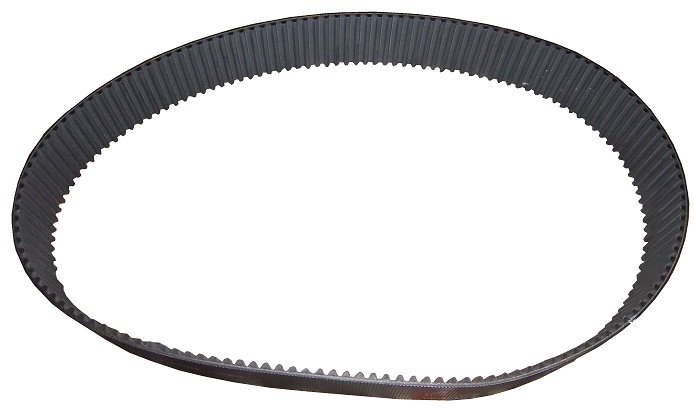
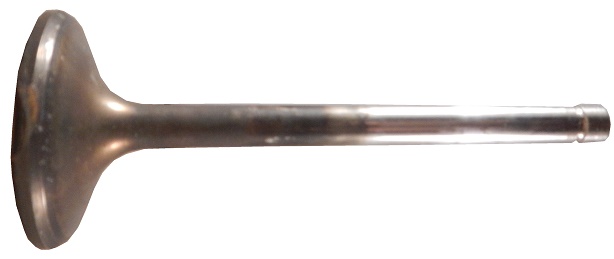
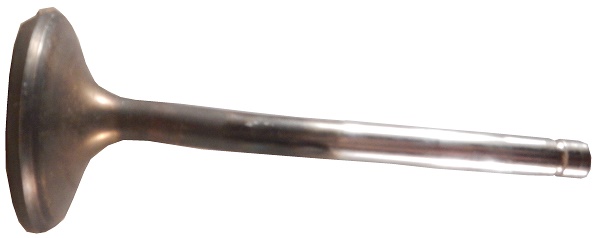
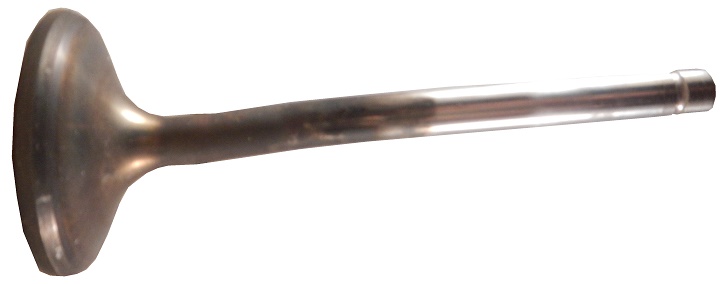
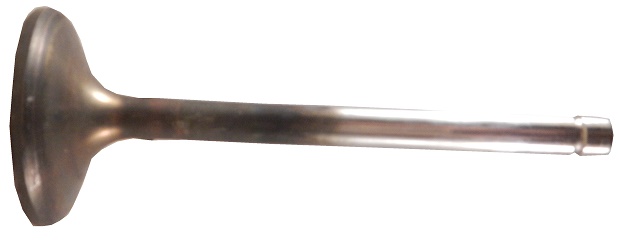
 Pistons in an engine need things to function. An example are valves, and valve springs. The valves move in conjunction with the movement of the pistons. One set introduces fuel and air into the engine, and the other set removes exhaust from the engine. These examples are from Bob Tasca’s funny car.



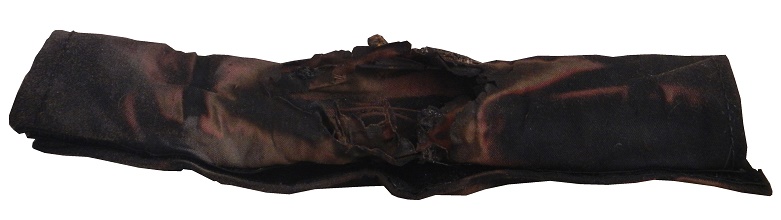
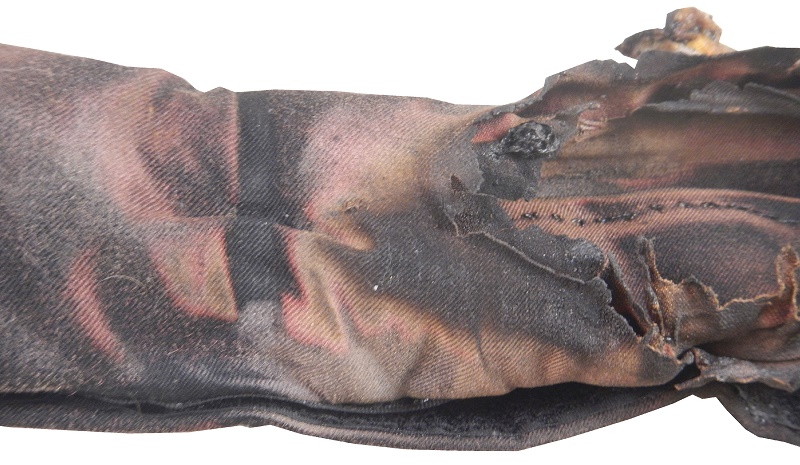
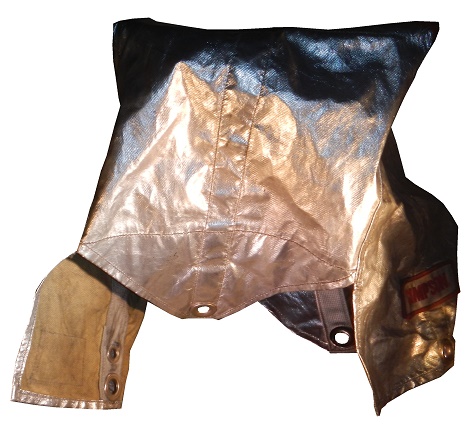
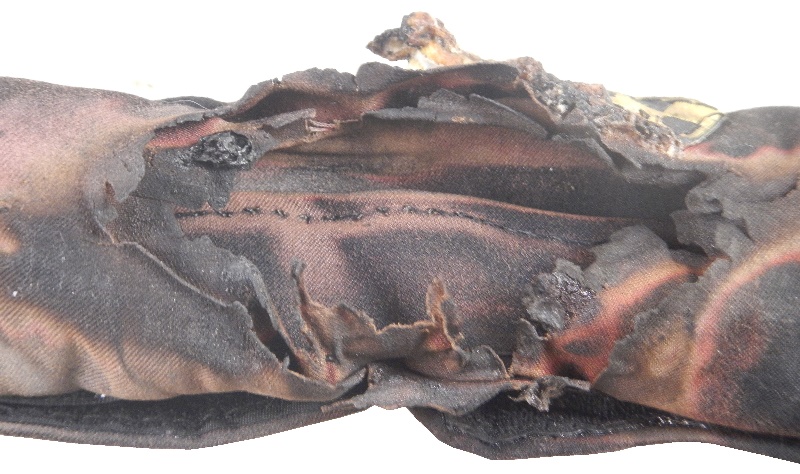
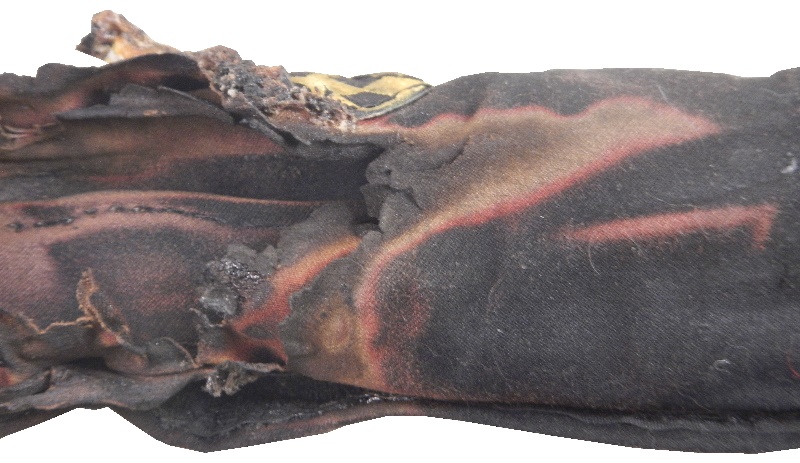
 This burnt hose cover is a perfect example of why Nomex is the go-to material for driver suits. This Nomex hose cover went through a serious fire, and was burnt. Nomex isn’t fireproof, it’s fire retardant, which means it will burn, but much slower than most fabrics. It will burn, but will protect whatever it is covering from fire damage for a brief time. The easy way to see if the material has been compromised is if the fabric is discolored. Notice the areas of light on the black fabric, that means that area of the fabric has been compromised.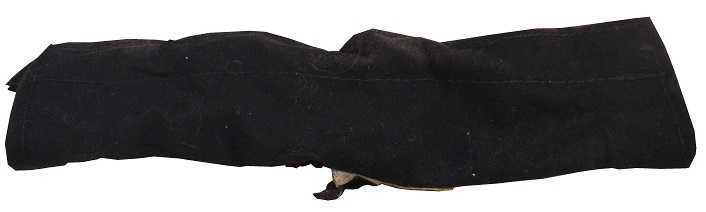

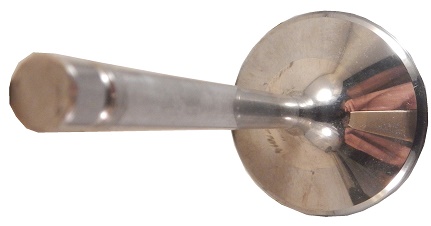
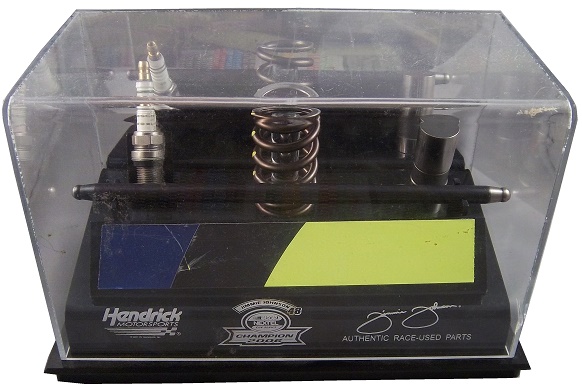
 This Jimmie Johnson spark plug is part of a display which features other parts, specifically a piece of the track bar, a lifter, a valve spring, and a piece of sheet metal. Part of the plug has been modified to make the plug useless.


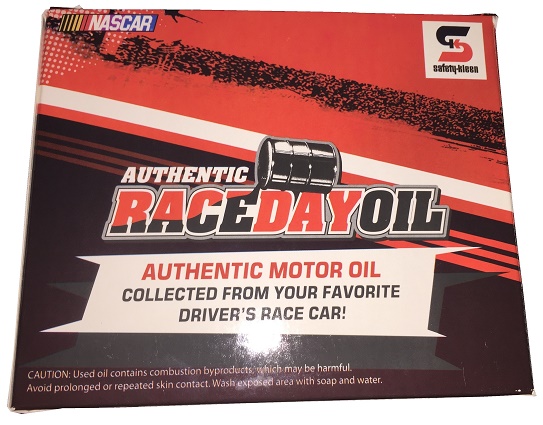
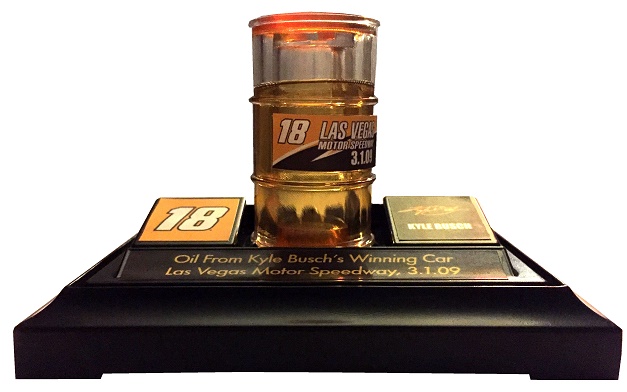
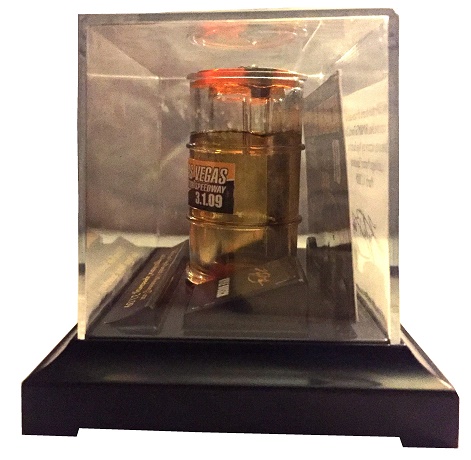
 Interestingly, sometimes oil was sold to collectors, as is evidenced by this display of oil from Kyle Busch’s #18 Toyota Camry when he won the 2009 Shelby 427 at Las Vegas. The package is about 5 inches long by 3 inches wide. Inside the box is the display. It has a small oil drum with a small amount of motor oil. The oil has a thick viscosity, which is needed because of the wear that Cup engines produce during a race. The COA comes in the box, and states that this is #359 of 504.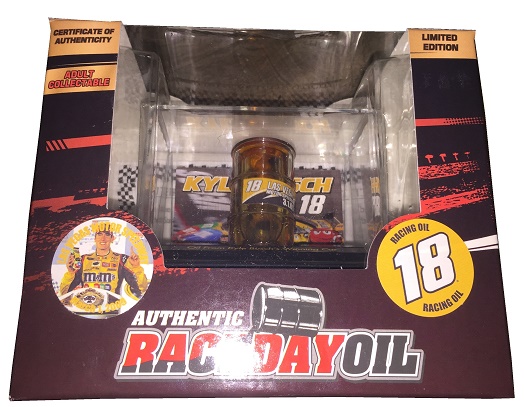




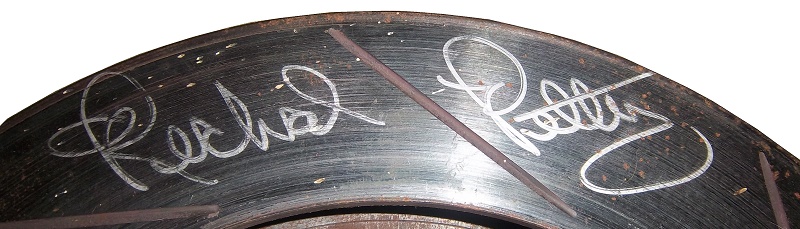
 Let’s switch from engines to wheels. I have a brake rotor used by John Andretti in the 1998 Bank of America 500 at Charlotte, which has been signed by Richard Petty.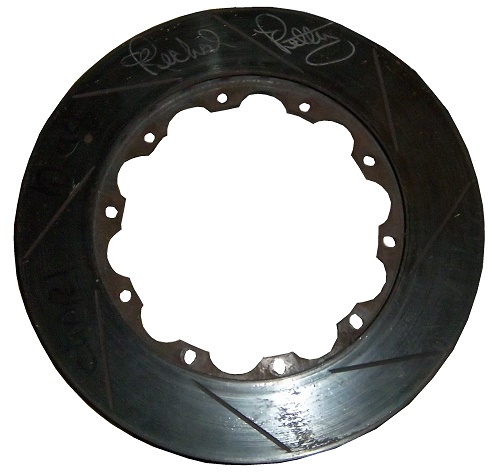

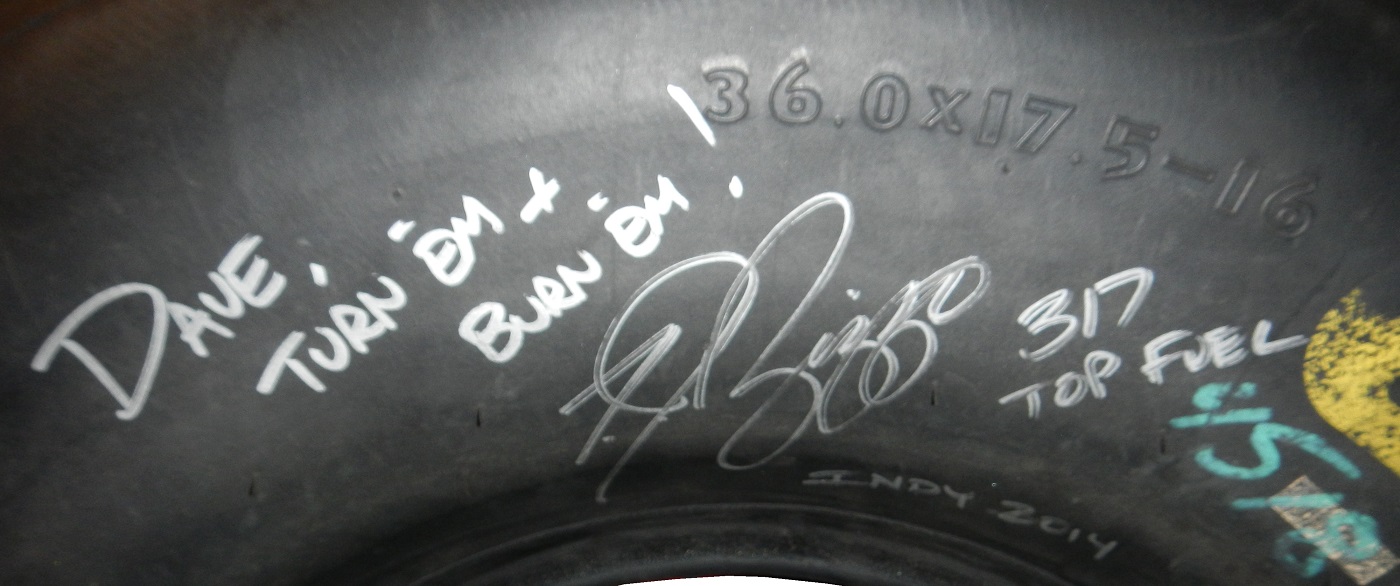
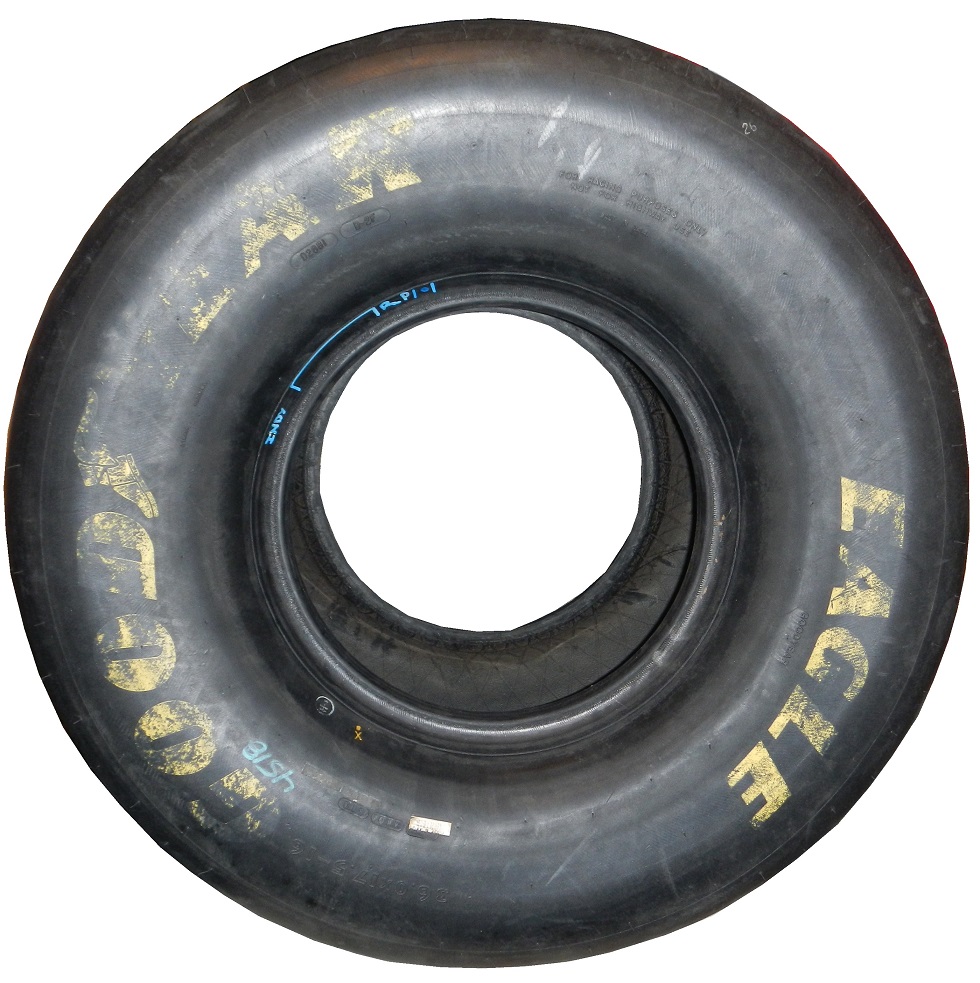
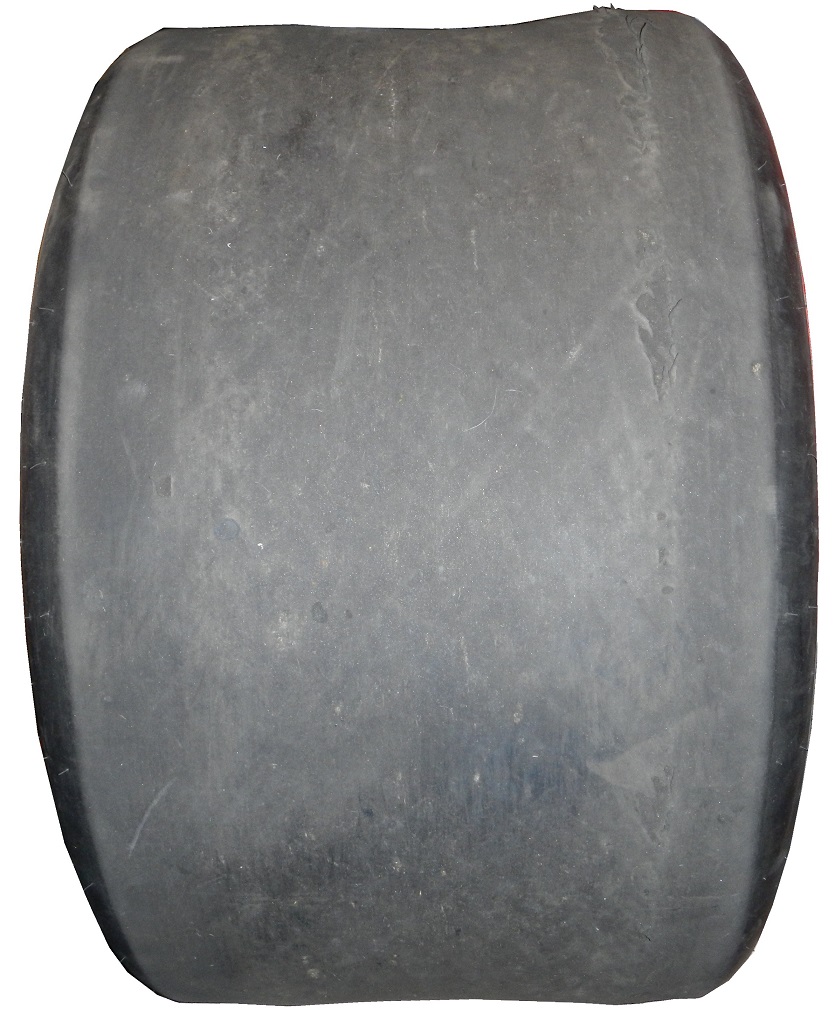
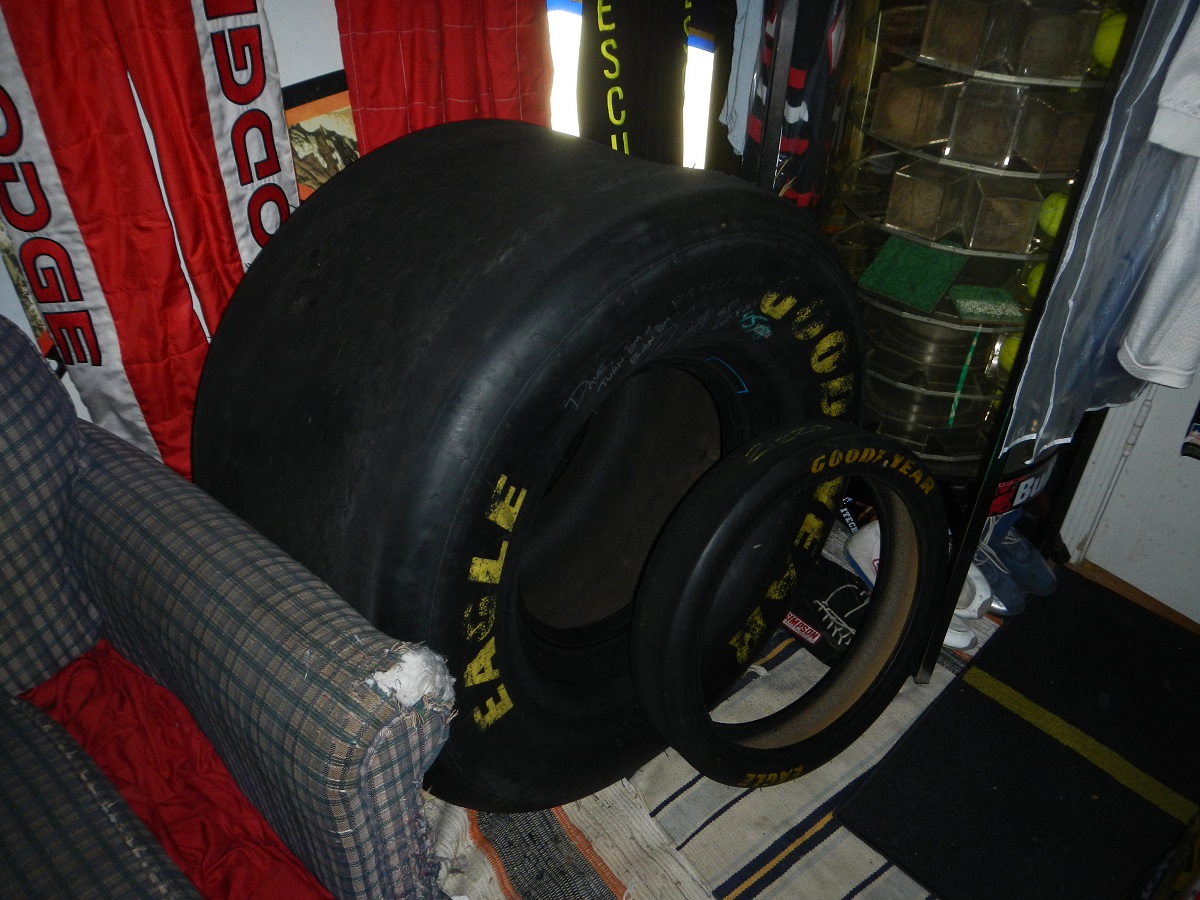
 In 2014, at the U.S. Nationals, TJ suffered a major engine explosion. He still has the blower drive seen flying in the video. I wound up getting one of the rear tires from that race. Rear tires from top fuel dragsters are 3 feet tall by 17 inches wide. I’m planning on getting a glass to and making a coffee table at some point. The level of wear on the tires is amazing, with large patches of damage from the explosion. TJ also signed it and personalized it to me!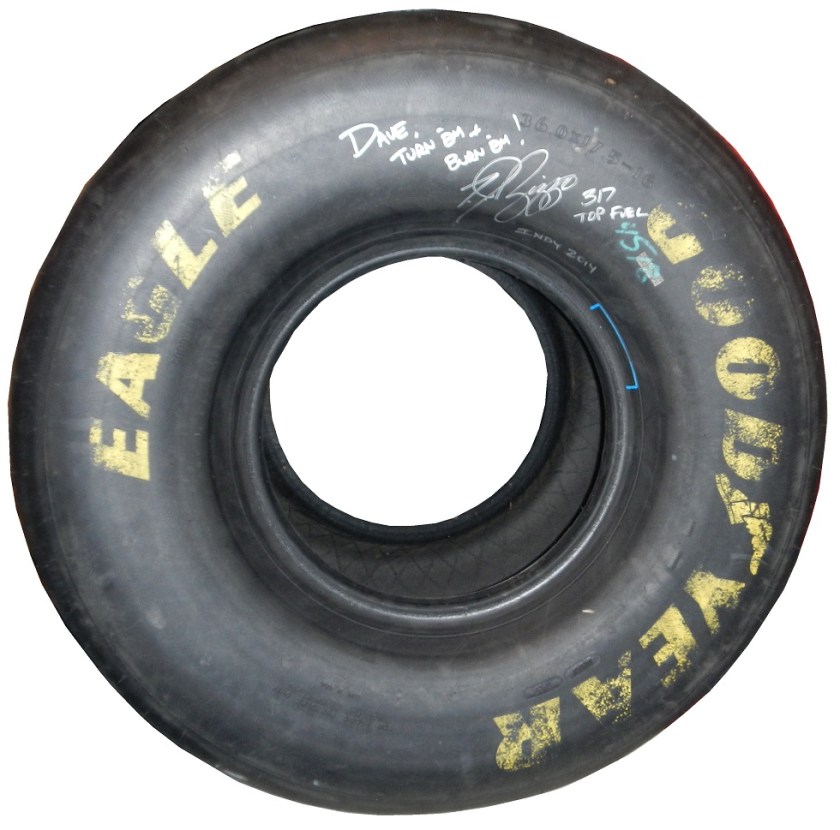


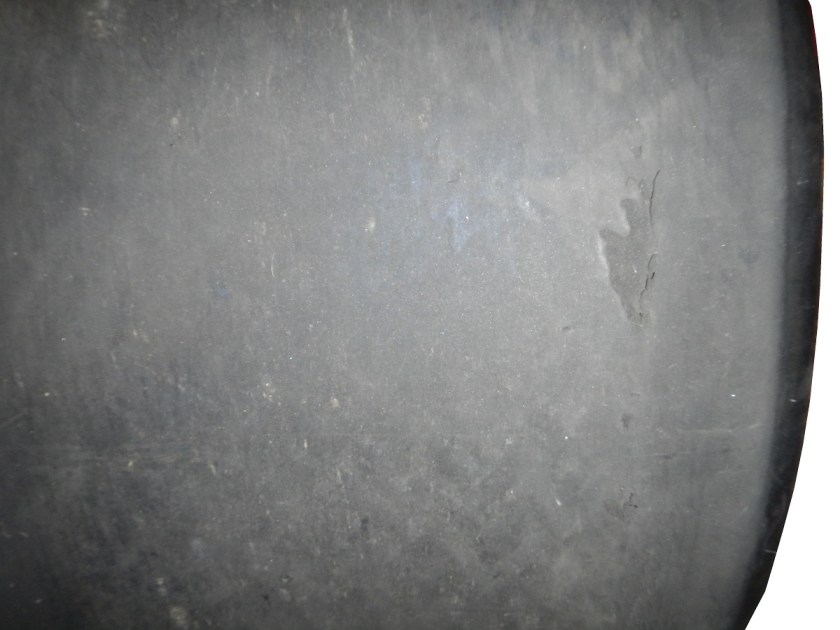


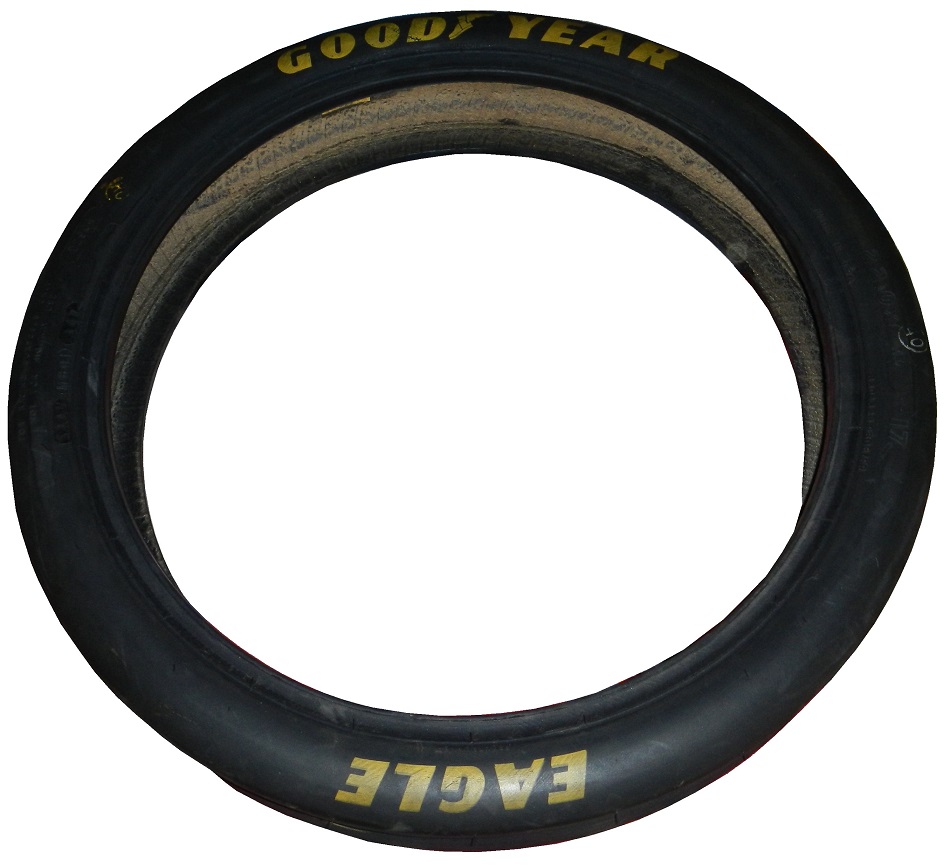
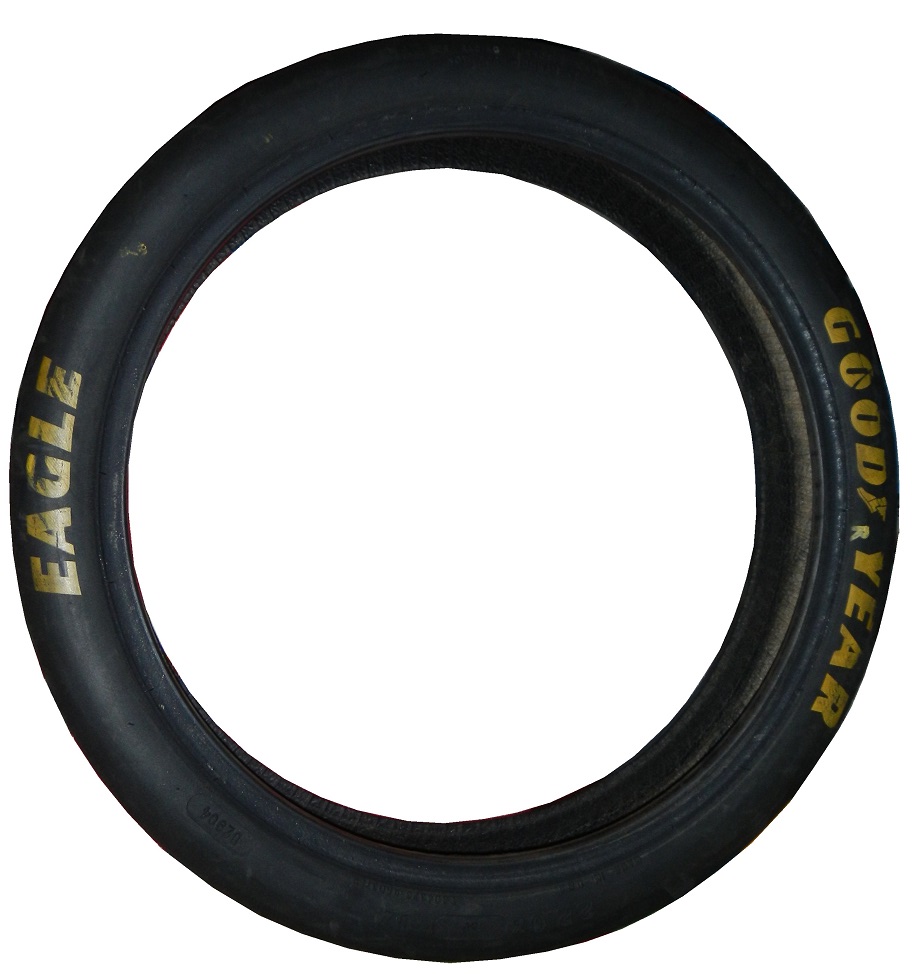
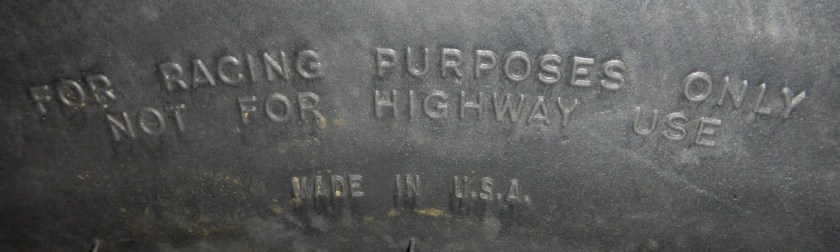 I also got a front tire, which is 22 inches tall, by 3 inches wide.


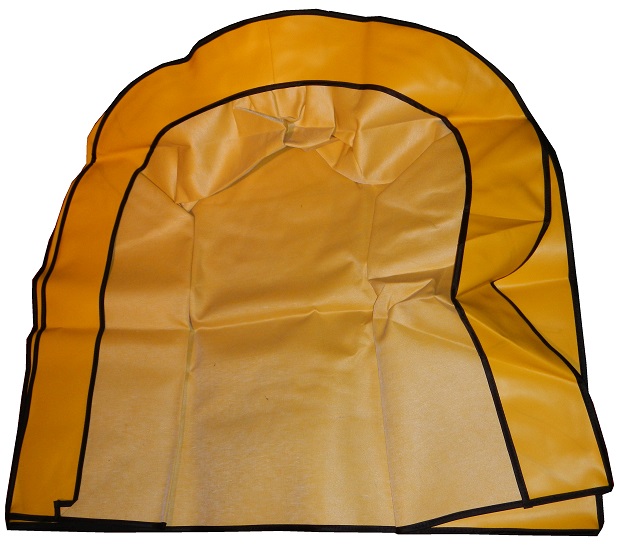
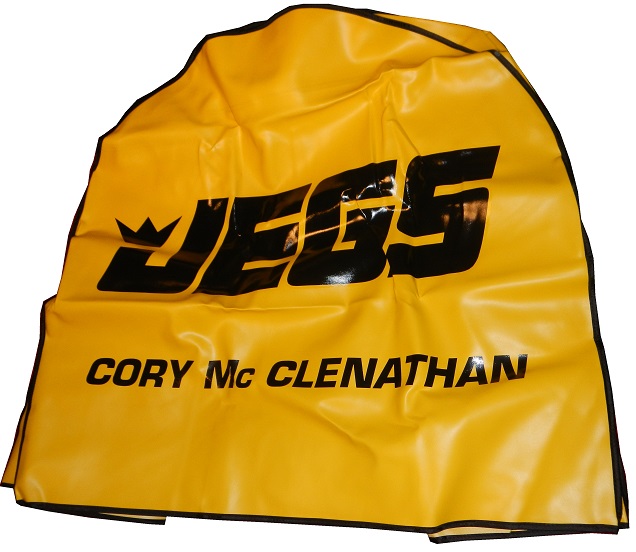
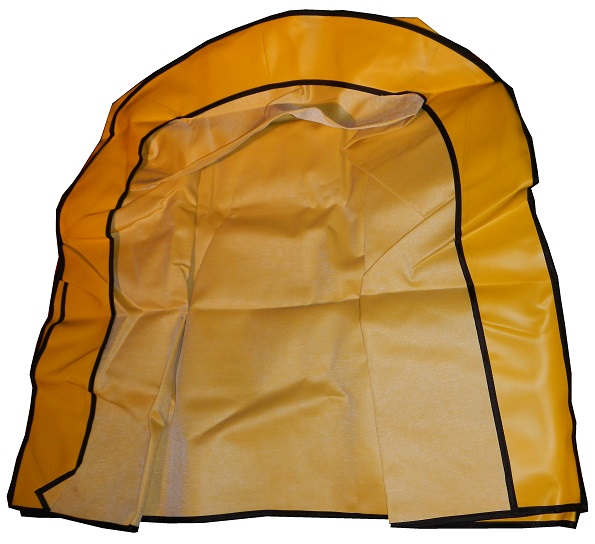
 These tire covers are meant to protect the tires from the shade. Why is this important? Well tires are 36 inches tall by 17 inches wide. These races often take place in bright sunlight on hot days. If there was no shades, tire pressures could be very uneven, and as a direct result, the tire wouldn’t race as well, and there could be safety issued. These are designed and marketed by Jeg’s. These are designed for top fuel dragsters. Funny cars have a square piece that covers the wheel on the body.
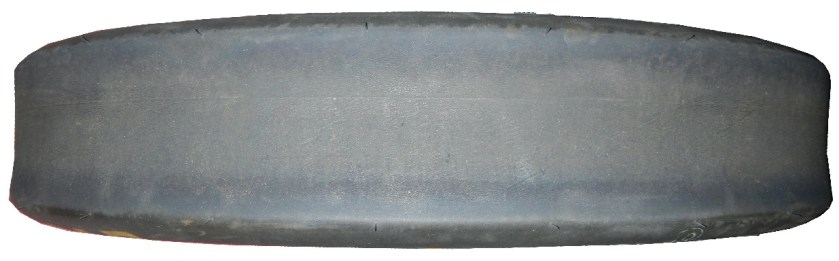
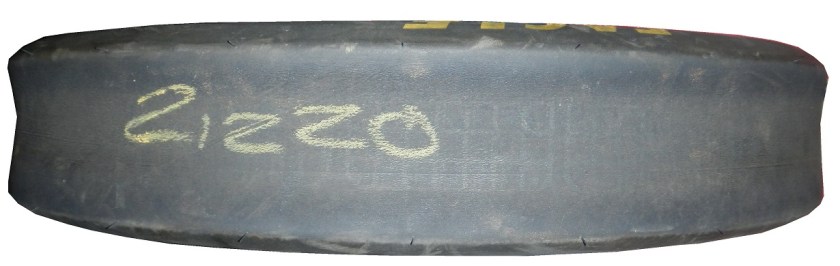
 Tires can be purchased whole, but since they can weigh as much as 90 pounds, they are often cut up and the pieces are sold, like sheet metal. This example, used by Kevin Harvick in the 2002 Daytona 500 is an example. it gives a good example of the thickness of the tire.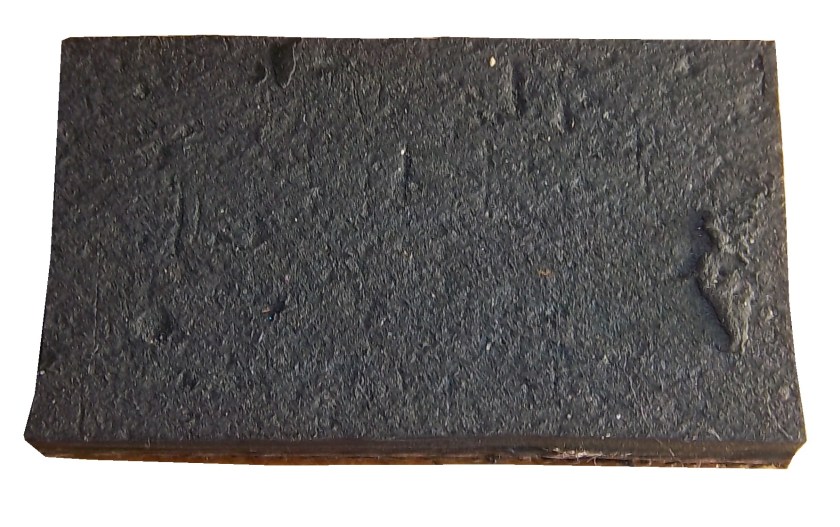
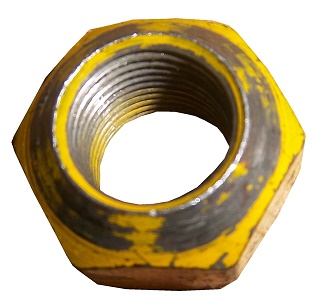
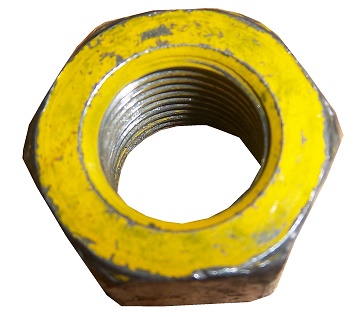
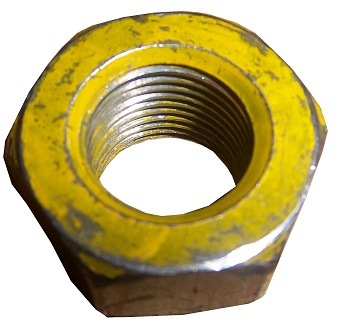
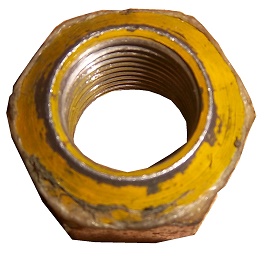
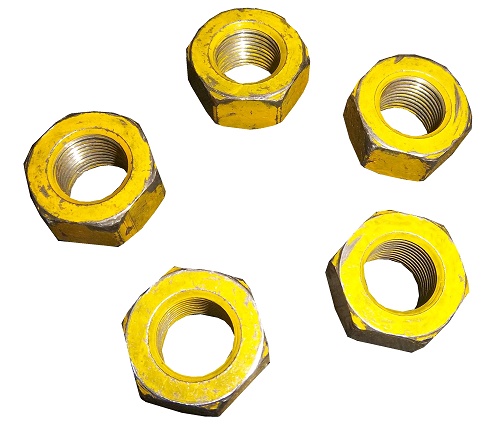
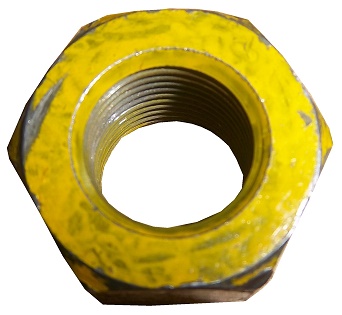
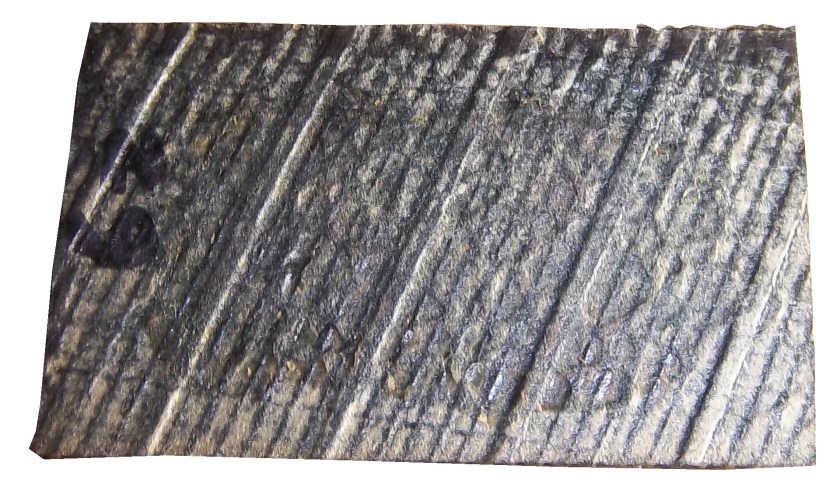 Race-used lug nuts go hand in hand with tires. Lug nuts are used once, and then sold after the race, such as these Tony Stewart examples. Lug nuts are Super glued to the rim, and one of these still has superglue residue on it.




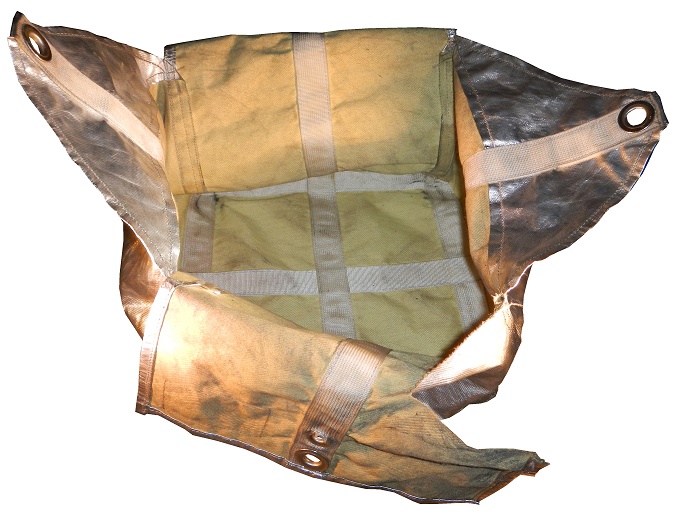
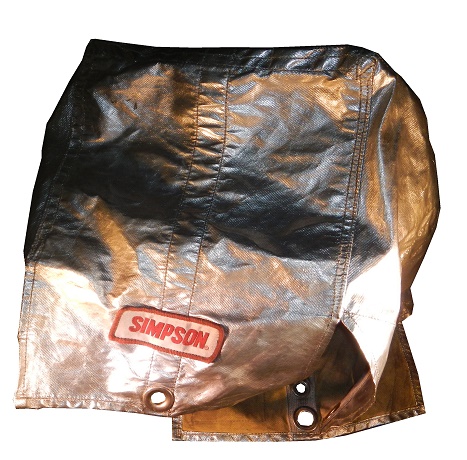
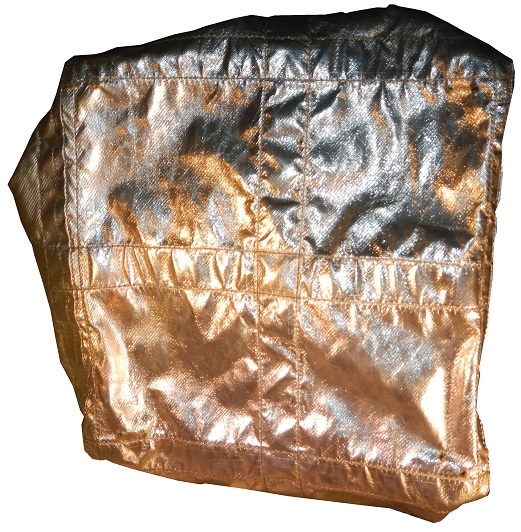
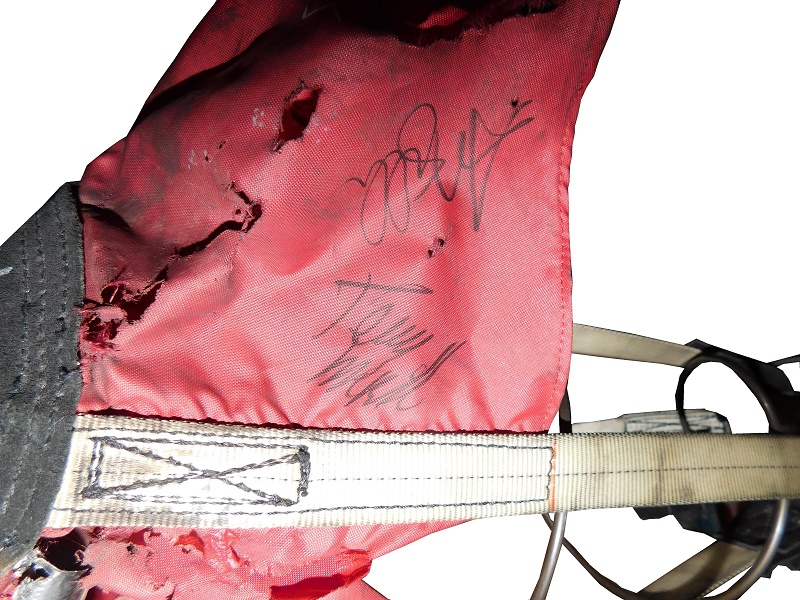
 Moving away from the wheels, this is a parachute bag used by Frank Pedregon Jr. It’s designed to hold the parachute on the back of the car, and was from the car when Frank hit Scotty Canon.


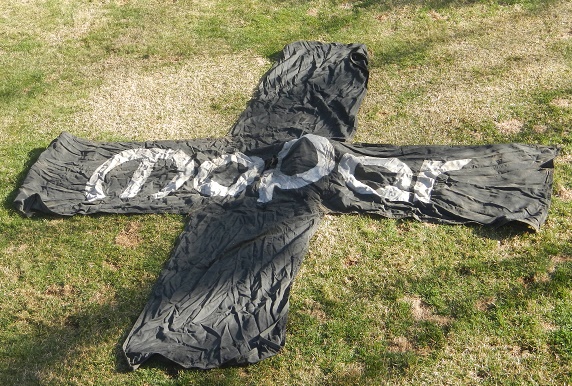
 One of the best tools at a drag racer’s disposal is the parachute, and for Scelzi, that was no different. You can’t be the first driver to reach 330 MPH in a funny car without a good parachute to stop the car. Scelzi raced with many different parachutes throughout his career, and this 12′ x 12′ Mopar example from his days with Don Schumacher Racing. It shows heavy use with numerous scuff marks, and holes.


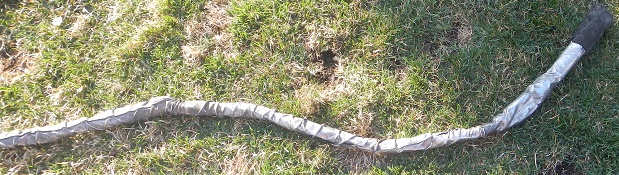
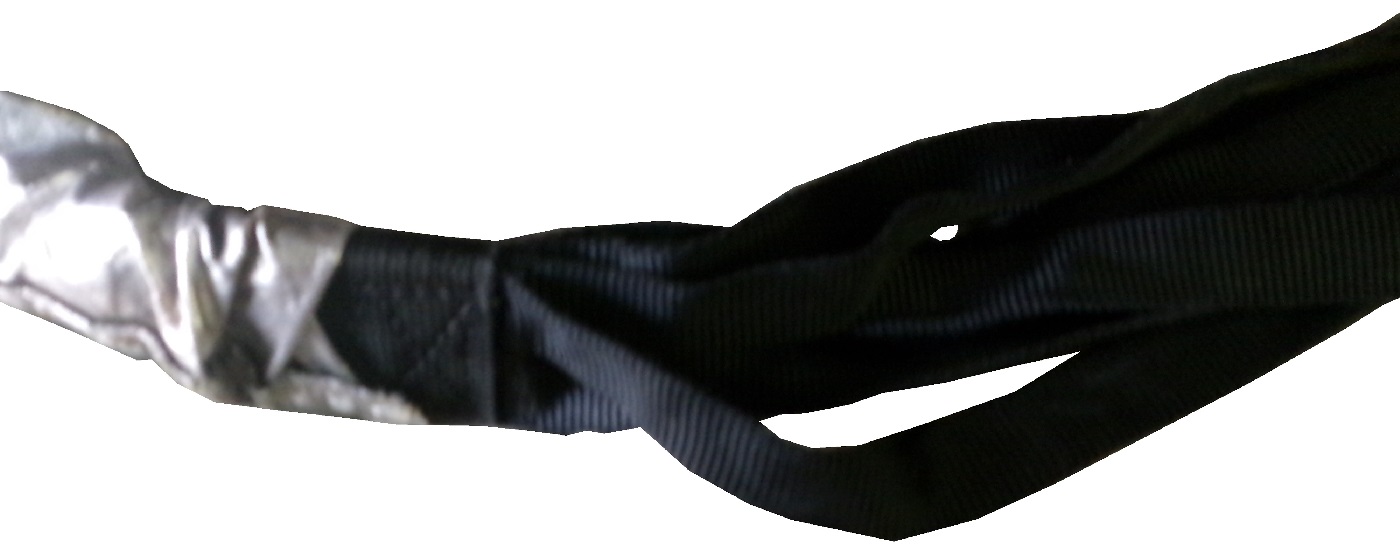
 One of my big gets was a TJ Zizzo Peak parachute. Zizzo ran two of these chutes on the back of his dragster from 2010 to 2013., and this example is 12 feet by 12 feet. It shows a decent amount of wear, with stains and holes. There is a hole in the center that allows the chute to be deployed, and there is an inventory tag placed here as well. On the cables connecting the chute to the car, there is some extra protection. This is necessary because on top fuel dragsters, the engine is very close to the parachute attachment, and in the event of a fire, the chute will still be able to function. This shows some wear on the silver layer.


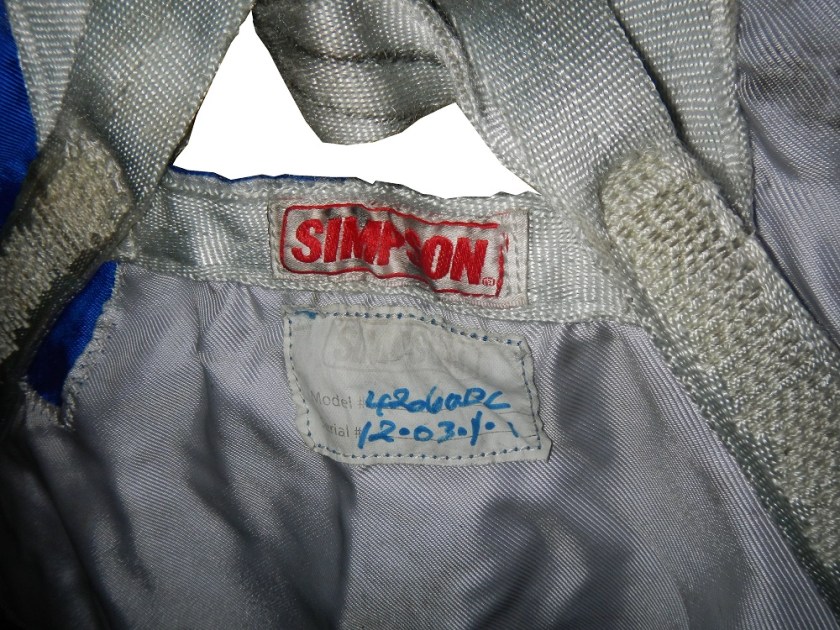
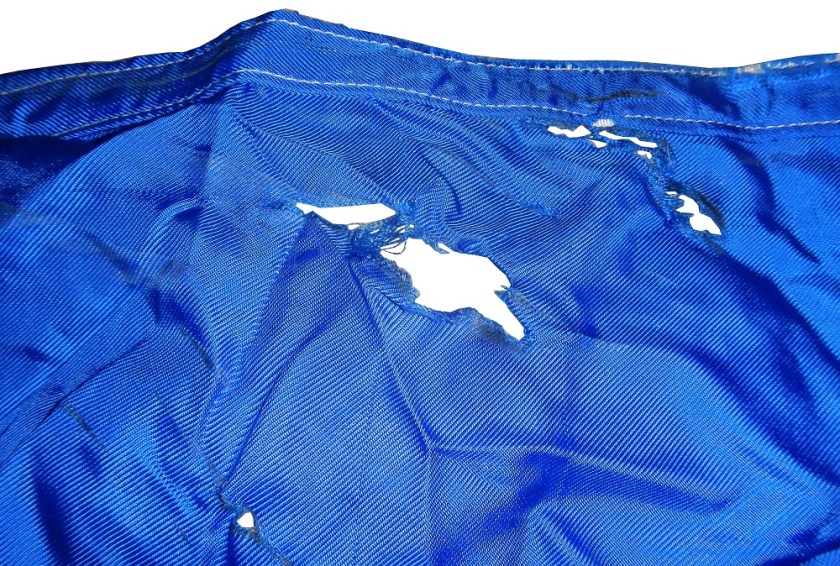

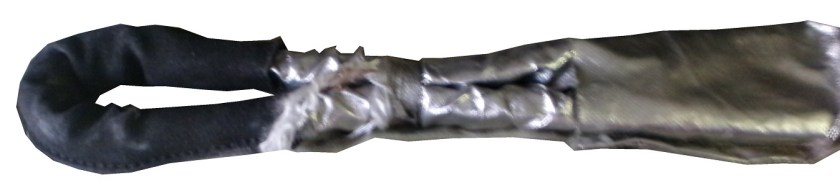
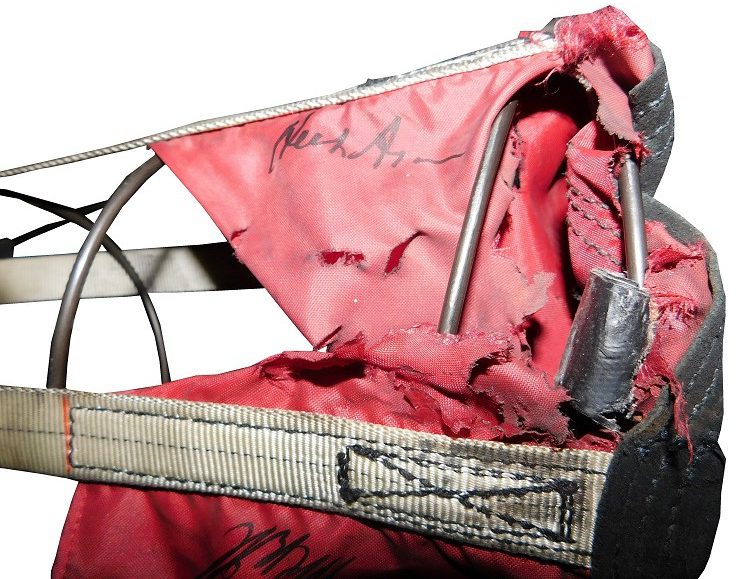
 Pilot chutes are universally used to deploy parachutes. When the cords are pulled, and the chute is released, the pilot chute deploys, which catches air and pulls the primary chute behind it. The chutes are strapped to a bar at the back of the car, and are covered in Nomex to prevent fire damage, then packed into a bag, before the race.


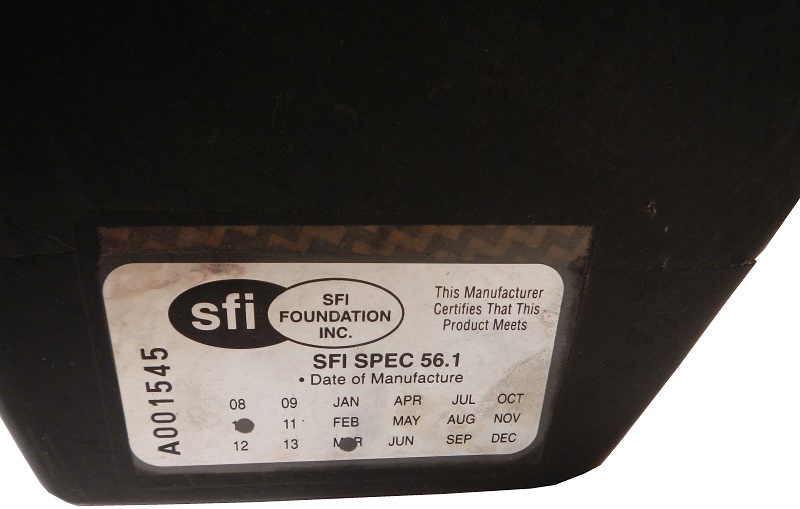
 This is a carbon fiber dashboard from a Cup car. It is very light, and SFI Certified.


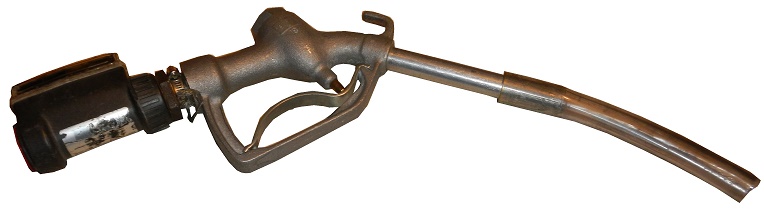
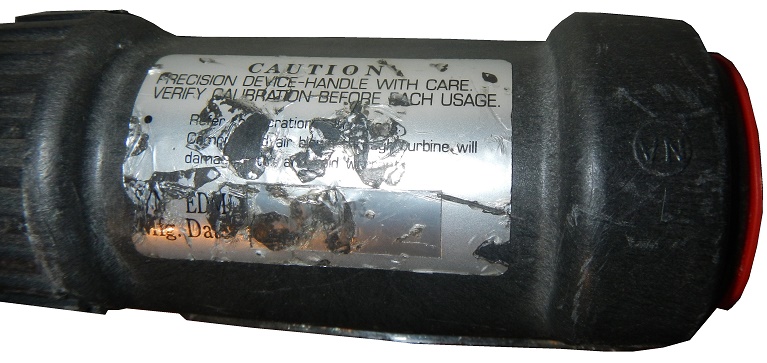
 When KV Racing Technology folded, they sold off their assets, including this digital fuel pump, which still works.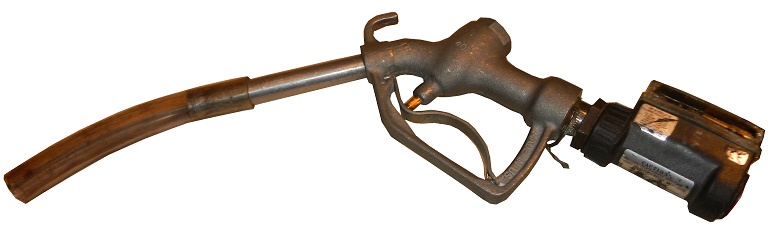
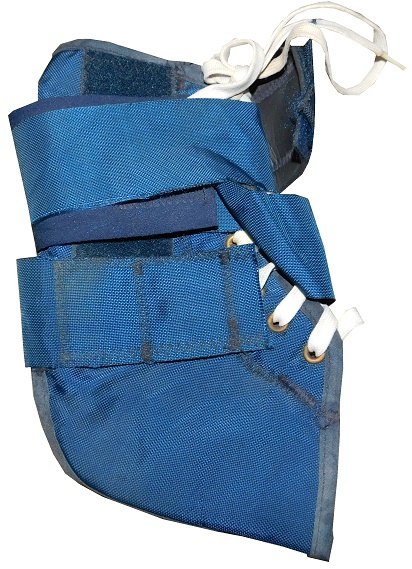
 Next week, the orthopedic brace article I promised.

 By David G. Firestone
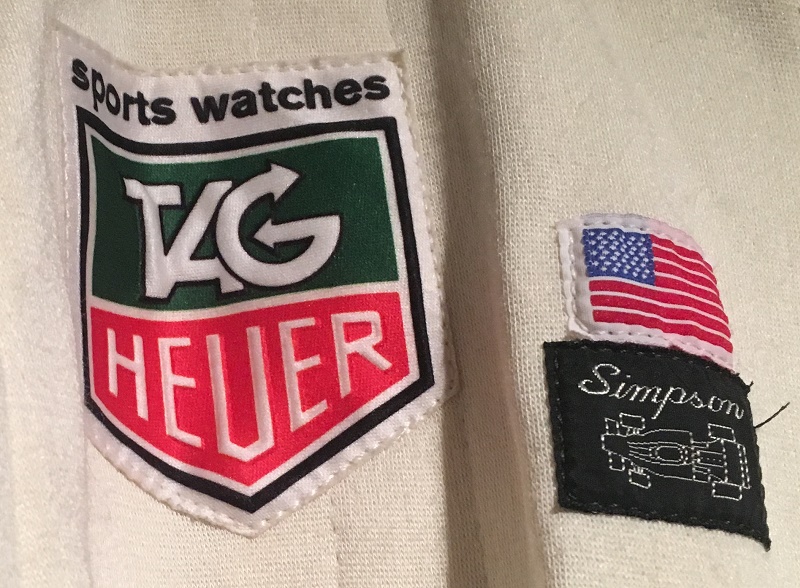
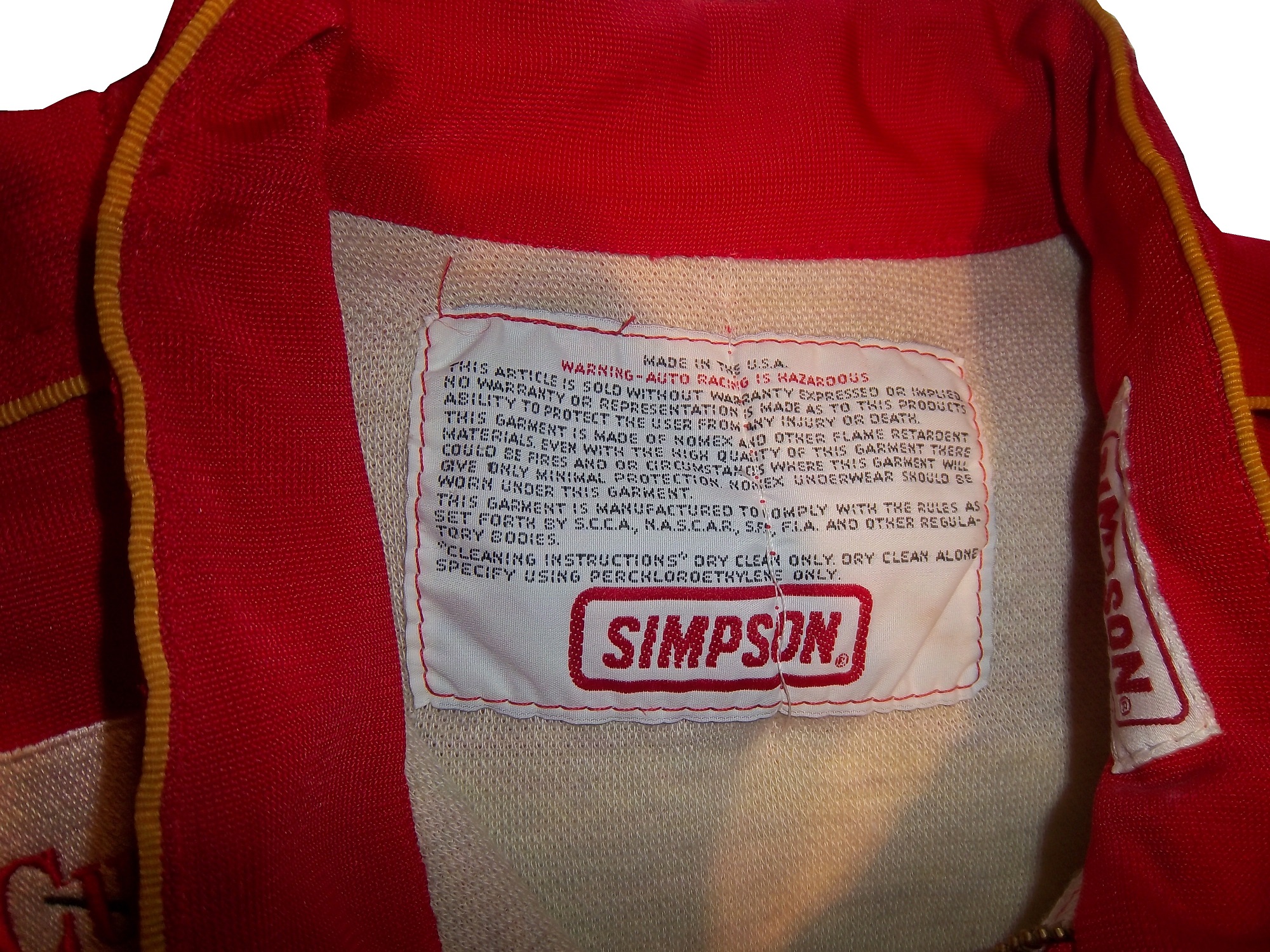
 The standard Simpson warranty label is in the cowl. There is a small flag tag that reads “6/93” indicating when the suit was made.
 On the right chest, there is a TAG HEUER WATCHES patch, a SIMPSON patch, and an American Flag patch sewn.
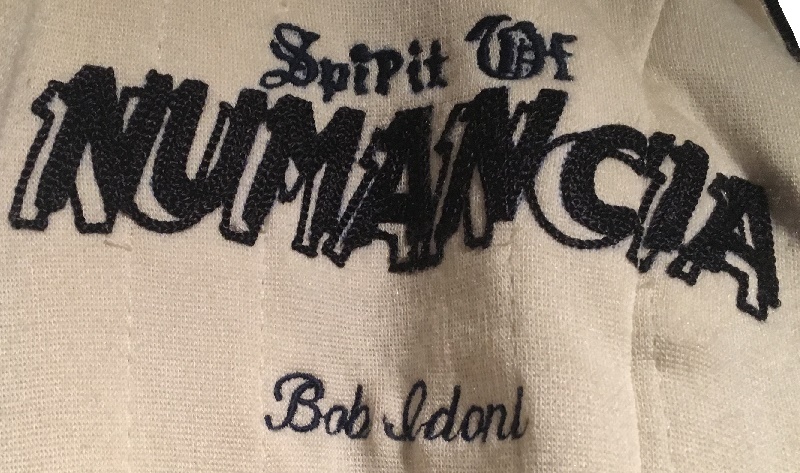
 On the left chest there is SPIRIT OF NUMANCIA and BOB IDONI embroidered.
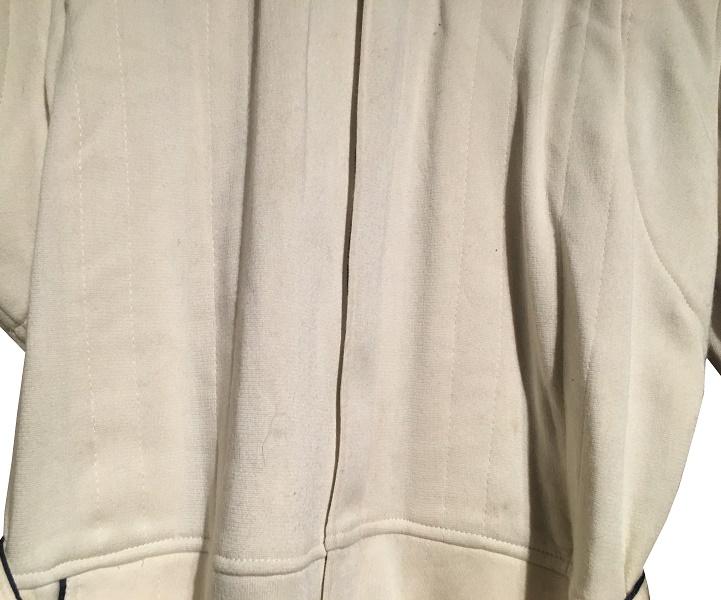
 The front torso is unadorned.
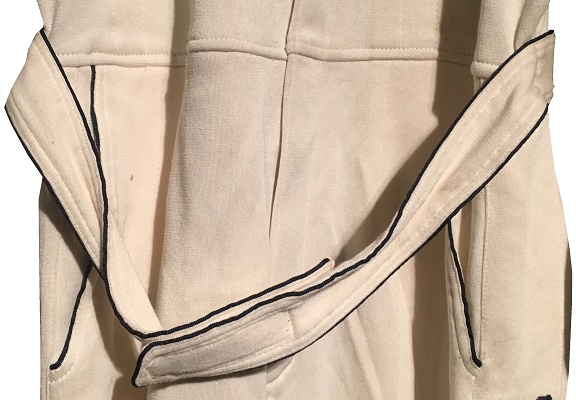
 The belt is the same cream with black outlines as the collar. The belt is otherwise unadorned.
 The legs have NUMANCIA embroidered. The cuffs are standard cuffs.
 The shoulder epaulets are the same cream outlined in black as the belt and collar, and are unadorned.
 The right sleeve is unadorned.
 The left sleeve features a SIMPSON patch.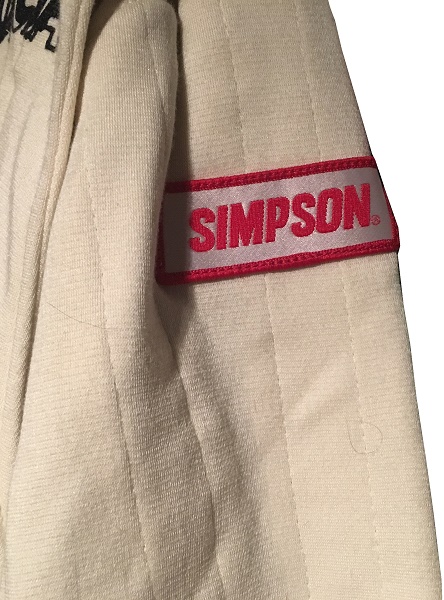
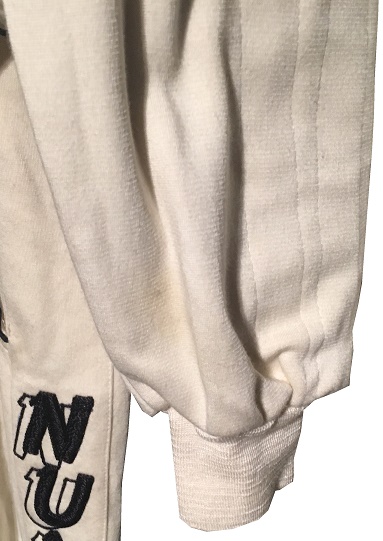 The back of the suit shows some very light use.
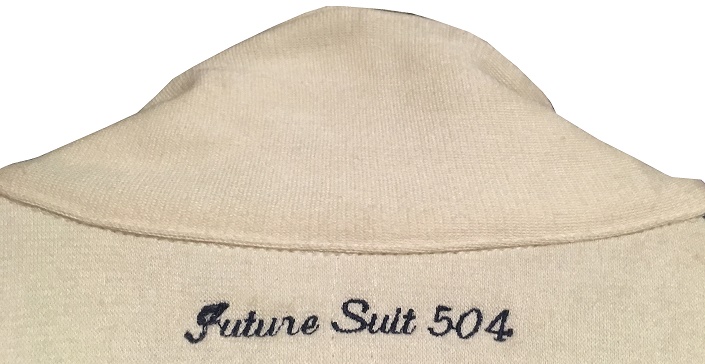
 While the back of the neck is unadorned, the area just below the neck has FUTURE SUIT 504 embroidered. This is, from what I have been able to determine, an inventory thing.
 A large SPIRIT OF NUMANCIA logo is embroidered in the upper section of the back torso.
 Next week, the throwback scheme grades for 2019.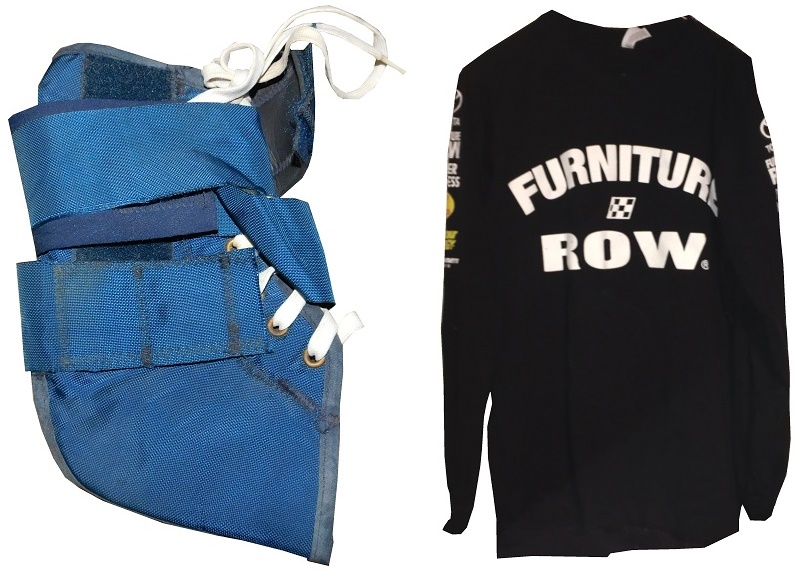


























































 The Driver Suit Blog