Fun Collecting Autographs

By David G. Firestone

Getting autographs in person, be it at races, conventions, or other signings is fun. I’ve been doing it for over 30 years. I’ve met a lot of athletes in this fashion. For some, autographs are a hobby, for others, they are a business. I personally love collecting autographs.

It’s not uncommon for people to bring items to sports events to sign. Fans bring baseballs to batting practice to get autographs. I’ve done this myself on several occasions. I’ve also brought items to car shows and conventions to get signed. A few years ago, I brought this motorcycle helmet to the NHRA Route 66 Nationals. It was signed by Robby Gordon when I bought it, I still have it and it’s in great condition.The left side is signed by Clay Millican,Tony Schumacher, Tommy Johnson Jr, and Ron Capps. There are no signatures on the front.The right side is signed by Terry McMillian.There are no signatures on the back.It was signed by Robby Gordon when I bought it, and his signature is on the back of the top. At the front of the top is the signature of Shirley Muldowney. The inside of the helmet doesn’t show wear. Ok…with that out of the way, let’s move on to…

TAILGATING TIME!

If you want a delicious, filling recipe that will always go with watching racing, you’d be hard pressed to find a better one than…

Lasagna

8 Servings

Instructions:

1 large finely chopped onions

1 clove minced garlic

1/4 cup olive oil

1 1/2 lb ground beef

Black pepper

Oregano

1 28 ounce can Italian-style tomatoes

6 ounces salt-free ketchup

1/3 cup water

1 1/4 lb ricotta cheese

1 8 ounce package lasagna noodles, cooked according to directions

1/2 lb mozzarella cheese, sliced.

1/2 cup grated Romano or Parmesan cheese.

Instructions:

1-Cook onion and garlic in oil until soft and yellow.

2-Add meat and continue cooking until meat is thoroughly browned

3-Add seasonings, tomatoes, ketchup, and water, and simmer until thickened, about 2 hours.

4-Arrange 1/3 of the cooked noodles in a 13 by 9 1/2 inch baking pan.

5-Top with 1/3 each, mozzarella, ricotta, and meat sauce.

6-Repeat procedure twice.

7-Sprinkle Romano or Parmesan over top layer.

8-Bake in a preheated 350 degree oven for 30 minutes, cut into squares, and serve.

We’ll stay with the helmet theme for next week.

Same Suit, Different Stories Part 2

By David G. Firestone

It’s amazing how many used firesuits are on the market in this day in age. Every one of them tells a story. Some are worn by professional racing champions. Some are worn by weekend warriors. Interestingly, some people who acquire these suits to sell don’t know the true back story behind the suit itself. This week, I will discuss a suit almost identical to last week’s, but with a different back story that is very believable.

While BMW is considered a luxury car brand, they are involved in Australian GT, DTM, IMSA, GT Racing, and FIA Formula E. They have a decent amount of success in the sport, and are a fixture at sports car races around the world. Since they are fielding their own teams, the need for drivers is there. So, like many teams, they field new talent from racing schools such as Skip Barber.

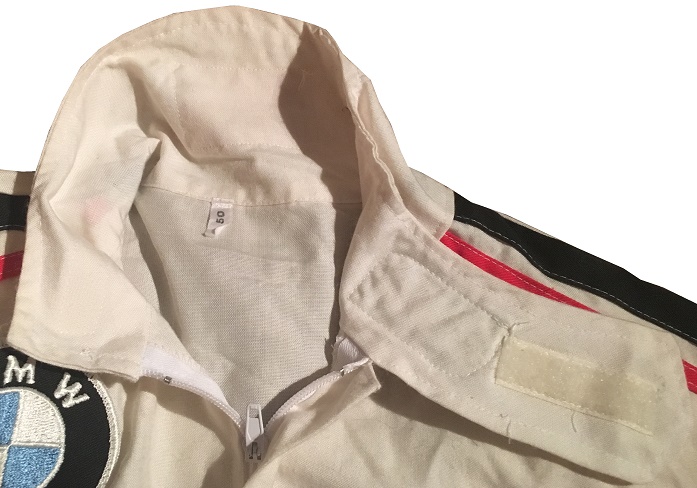
John “Skip” Barber III is a former F1 and SCCA driver.While we won 3 SCCA National Championships in a row, his F1 and IndyCar careers were not stellar. After his racing career ended, he taught four students to race in 1975. 45 years later, Skip Barber Racing Schools owns 130 cars and operates at over 30 tracks over North America. Given the need for racing talent, and the number of different series that BMW races for, it doesn’t seem too far fetched that BMW would work with Skip Barber. That partnership resulted in this single-layer OMP firesuit in decent condition.The collar has a Velcro strap, and an OMP patch on the strap.The cowl has a small flag tag marked 50 sewn into it.The right chest features a BMW logo sewn into it.The left chest is unadorned.The front torso features a black stripe over a red stripe.The suit has an unadorned white belt.The legs are unadorned, and have standard cuffs.The shoulders have black over red stripes. The sleeves have OMP patches sewn into the upper area, but are otherwise unadorned. The back is unadorned.The back of the neck has the warranty label sewn into it.The back torso is unadorned.Next week, I’ll discuss an autographed racing helmet.

Same Suit, Different Stories Part 1

By David G. Firestone

It’s amazing how many used firesuits are on the market in this day in age. Every one of them tells a story. Some are worn by professional racing champions. Some are worn by weekend warriors. Interestingly, some people who acquire these suits to sell don’t know the true back story behind the suit itself. This is evident that in the next couple weeks, I’m going to discuss two identical suits with different back stories from the sellers.

One of America’s most well-known sports car races in America is the 12 Hours of Sebring. Located in Sebring, Florida, it was opened on the defunct Hendricks Army Airfield in 1950. The race lasts 12 hours, has several different classes racing, and has had many well-known race winners including Juan Manuel Fangio, Dan Gurney, Mario Andretti, A. J. Foyt, Bobby Rahal, Arie Luyendyk, Scott Sharp, Wayne Taylor, and Scott Pruett.

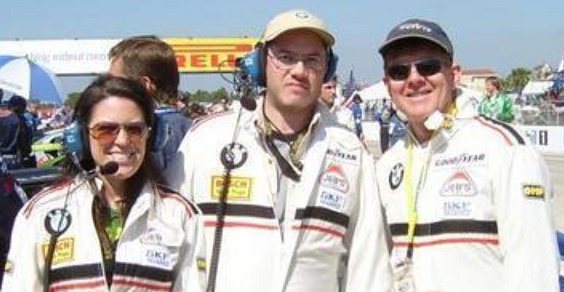
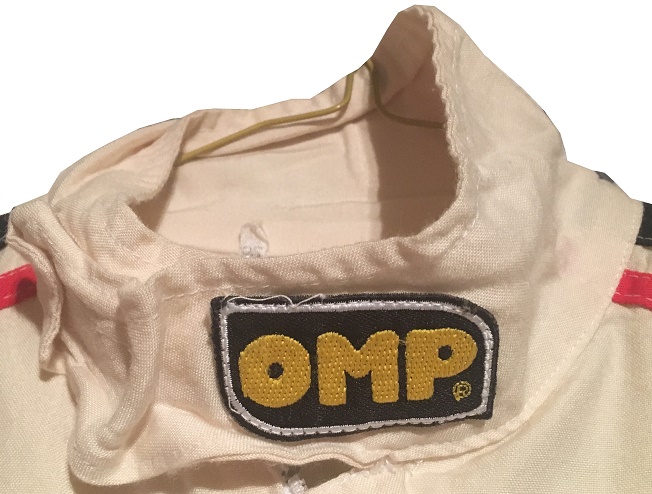
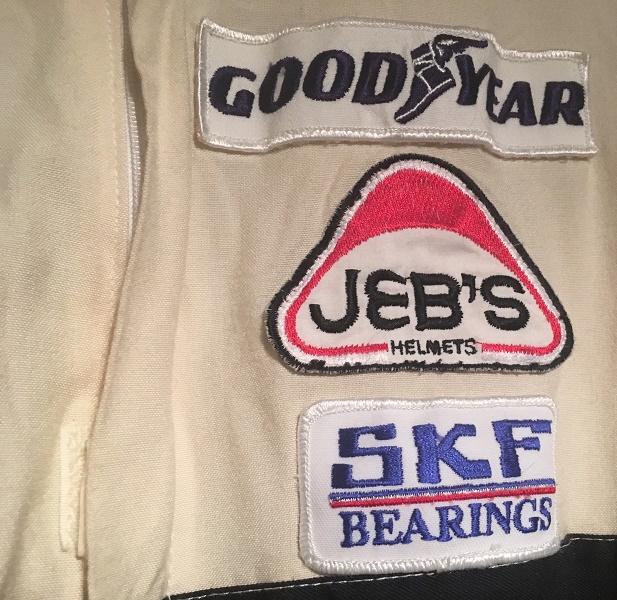
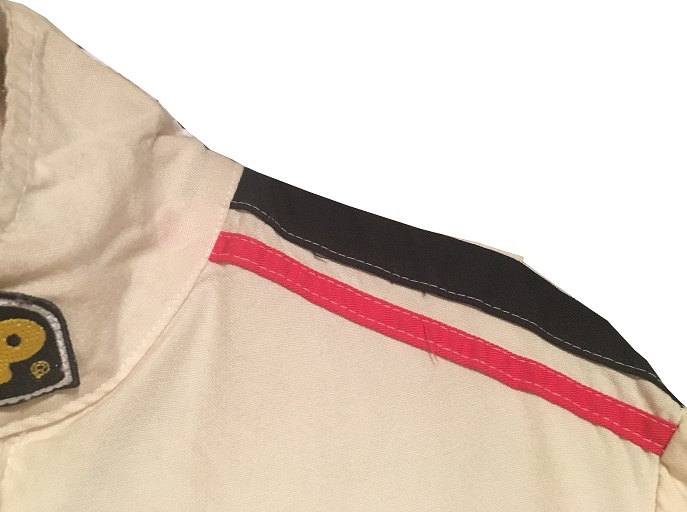
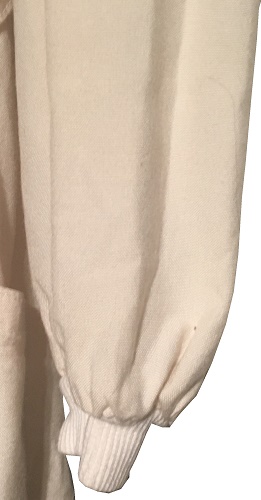
While BMW is considered a luxury car brand, they are involved in Australian GT, DTM, IMSA, GT Racing, and FIA Formula E. They have won the 12 Hours of Sebring in 1975, and 1999. At some point in the 1980’s, one of their teams came outfitted in this cream colored single-layer OMP suit. The suit shows some wear, and while I can’t match it 100%, there is an undated photo showing three crew members wearing this same suit design. The collar has a Velcro strap, and an OMP patch on the strap.The cowl has a small unreadable flag tag sewn into it.The right chest features a BMW logo sewn into it.The left chest features GOODYEAR, JEB’S HELMETS, and SKF BEARINGS sewn onto them.The front torso features a black stripe over a red stripe. There is some damage to the red stripe. The suit has an unadorned white belt.The legs are unadorned, and have standard cuffs.The shoulders have black over red stripes. The sleeves have OMP patches sewn into the upper area, but are otherwise unadorned. The back is unadorned.The back of the neck has the warranty label sewn in an off-center manner. The back torso is unadorned.Next week, I’ll discuss an almost identical suit with a different, yet believable back story.

A Great Series Needs a Great Logo-2020 Edition!

By David G. Firestone

NASCAR has a lengthy history in the United States. Founded in 1948, 72 years ago, NASCAR has taken stock car racing to new heights. Once a regional promotion, NASCAR is now an international powerhouse. NASCAR and their various series have logo histories that are interesting.

Let’s start with NASCAR itself.

1948-1968

The first NASCAR logo features a track-inspired oval design, with checkered flags, and two streamlined cars heading toward each other. NASCAR INTERNATIONAL is printed in black on the greenish-yellow oval.

1968-1978

A newer version of the logo is introduced. The oval is gone, the colors have changed from black and greenish-yellow to blue and white. The checkered flags have a much more pronounced, and a line motif is added to the back ground. NASCAR is on top of the cars, INTERNATIONAL is underneath them.

1978-2017

A brand new logo is introduced in 1978. A rectangle with NASCAR in white lettering, with various different colors in the negative space replaces the old school NASCAR International logo. A series of colored vertical bricks are on the left side of the logo.

2018-???

A much more toned down version of the previous logo, with different font is introduced during 2017, with much fanfare.

The Monster Energy NASCAR Cup Series has a unique tradition that stretches back to the 1970’s, the Series Logo. Series Logos are now commonplace in most forms of racing The evolution of the NASCAR Sprint Cup Series logo over the years in interesting.

1972-1981

This logo is designed in classic 1970’s design, and can be seen on driver suits, as this Dale Earnhardt Sr. example from 1980 clearly shows.

1982-1988

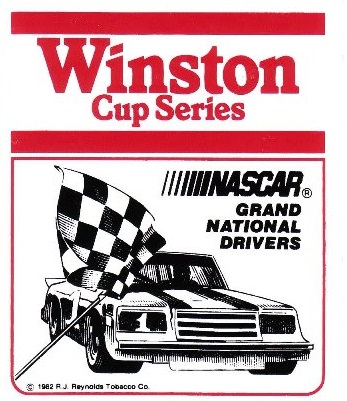
The “1 Car” logo was a major redesign, and features a logo, with NASCAR GRAND NATIONAL SERIES embroidered, and a 1980’s car. Very visible on driver suits from the era.

1989-1992

A simple Winston logo, which, while underwhelming is very visible on this Bobby Hillin Jr. Suit, and this photo of Dale Earnhardt Sr. from 1992…and look who is next to him!

1993-1996

Again an underwhelming yet attractive series logo. The interesting thing about logos from 1993-2001 is that there are two designs, red with white lettering that displayed better on light driver suits, and white with red lettering that displayed better on dark colored driver suits. Though the rule was rather ambiguous for a while.

1997-1999

This design went through some changes when Winston changed the design of their packaging. Starting in 1998, Winston went from a rounder typeface to a narrower and straighter typeface, as a young Tony Stewart is modeling.

1998:

Every team and driver ran the NASCAR 50th Anniversary logo on their cars and driver suits. Not bad at all.

2000-2001

A square design with an oval logo was used from 2000-2001, with the color-flipping returning. At this point, the discussion of who would replace Winston started, as due to legislation, cigarettes would not be allowed to sponsor auto racing within the next few years.

2002-2003

The transitional oval logo. The Busch Grand National series had adopted an oval logo in 1995, and since the series would change sponsorships in 2004, this new logo would be the bridge between the old and the new.

2004-2007

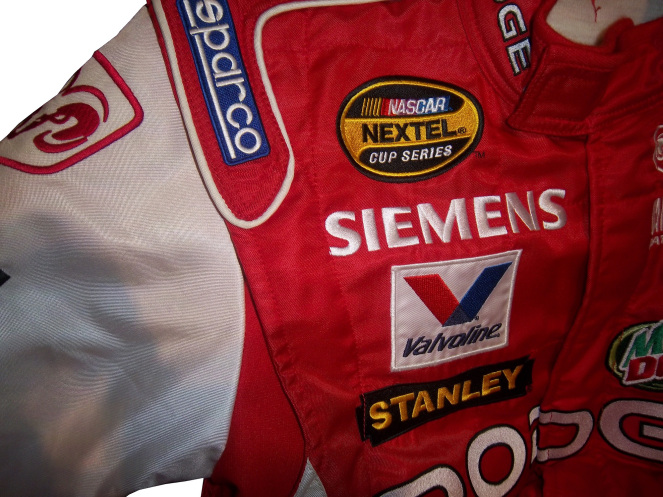
New sponsor, new colors, new shape. Nextell Communications took over in 2004 and it became the Nextell Cup Series. This logo would remain constant until Sprint and Nextell merged, which led to:

2008-2016:

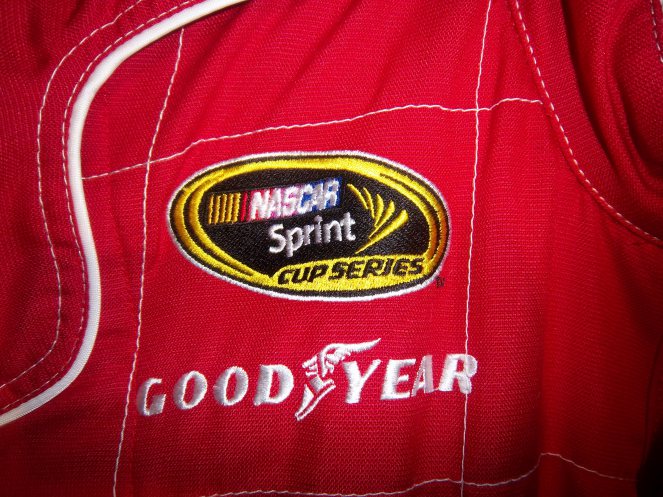
Same color scheme, same shape, same basic design.

The logo has become a marketing point for NASCAR teams and NASCAR itself. Die casts, driver uniform coats, t-shirts, pit crew shirts, and many other items carry these logos.

2017-2019

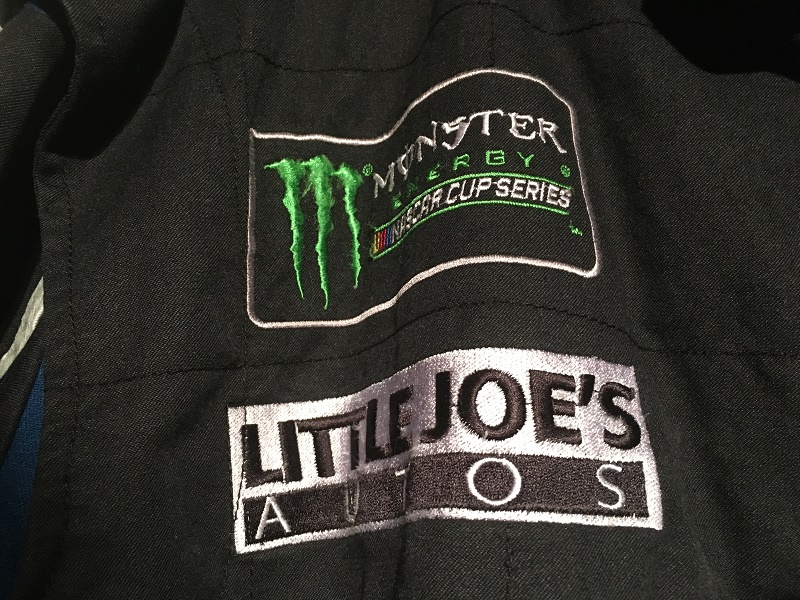
Monster Energy takes over the series sponsorship from Sprint, initially for only one season, though two seasons were eventually announced. The new Monster Energy NASCAR Cup Series has a logo based on the new Xfinity Series. It’s a black rectangle, with the current Monster Energy NASCAR Cup Series.

2020-?

Starting in 2020, the Cup Series took a different direction with its sponsorship. Instead of one company sponsoring the Cup Series with exclusive rights for their field, four companies, Busch Beer, Coca Cola, Geico, and Xfinity sponsor the new Cup Series. Another welcome change is that the exclusivity aspect of the sponsorship is gone.

Now on to the NASCAR Xfinity Series

1982-1994

These two logos were used for the Busch Grand National series. The plain Busch logo worked better and was used more often than the Busch Beer Series logo.

1995-2004

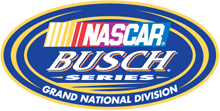
An oval logo with the sponsor name, and GRAND NATIONAL SERIES added below. It was very marketable and worked quite well as a logo.

2004-2007

Grand National Series has been removed, and some minor redesigns to BUSCH and the NASCAR logo as well. 2006 featured the 25th Anniversary logo.

2007-2014

Complete redesign for the NASCAR Nationwide Series which began when Nationwide took over the titular sponsorship of the series. Uneven oval with a Nationwide logo, and a NASCAR logo, with a new overall design and color scheme.

2015-2017

Xfinity takes over the series sponsorship, and release an off-center oval logo, black outline with cutting edge designs on the black outline. The center is white, and features a NASCAR Xfinity Series logo.

2018-Present

With the new NASCAR logo came a new Xfinity Series logo, this one a black square with red designs and a NASCAR Xfinity Series logo replaces the oval.

Last but certainly not least the NASCAR Gander Outdoors Truck Series.

1995

For the first season, the Truck Series was referred to as the “Super Truck Series by Craftsman.” It featured a decidedly early 1990’s logo. It lasted for only one season.

1996-2002

The Craftsman Truck Series is a better name and the logo, while still bearing a 1990’s style design, is more refined and professional.

2003-2008

The entire logo is inside the oval, some minor color and typeface changes are present as well. 2005 featured the 10th Anniversary logo.

2009-2018

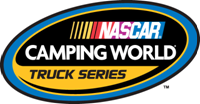
The same off-center oval design as the Nationwide Series and Sprint Cup logos, with a sponsor redesign for Camping World, who took over for Craftsman after 2009.

2019

Gander Mountain takes over from Camping World. They are both owned by the same company. This results in a new name, The NASCAR Gander Outdoors Truck Series, and a logo, this one with a black rectangle, outlined in blue, with a blue rectangle with white lettering.

2020

The series makes a slight change, going from the NASCAR Gander Outdoors Truck Series to the NASCAR Gander RV & Outdoors Truck Series, complete with new logo, adding RV into the logo.

Next week, the first of a couple of random suits.

Safety in Racing Covers Every Aspect of Racing…

By David G. Firestone

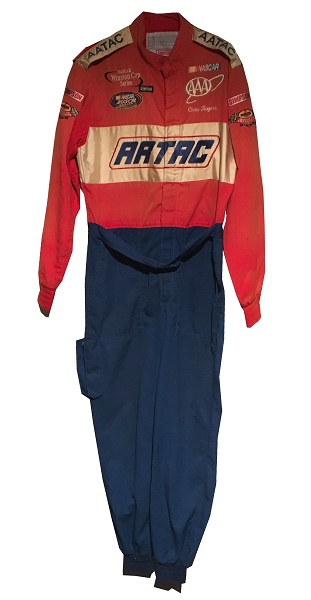
Founded in Charlotte, North Carolina in 1978, A & A Truck and Auto Center, Inc. or AATAC was at one point a prime supplier of tow truck and wreckers for auto racing. Though the company hasn’t been around since 2003, their website still exists.

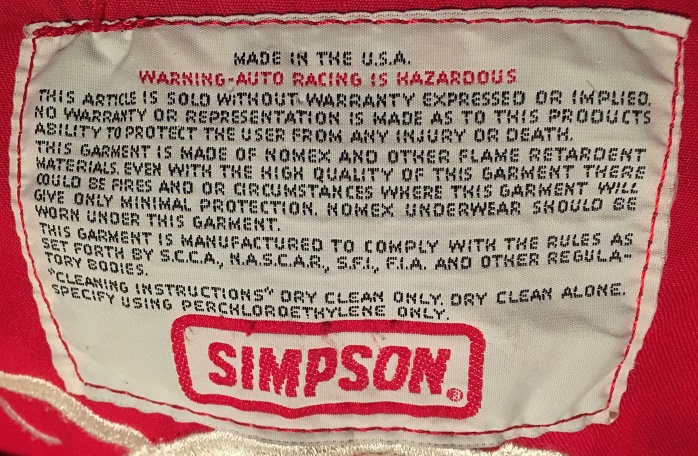
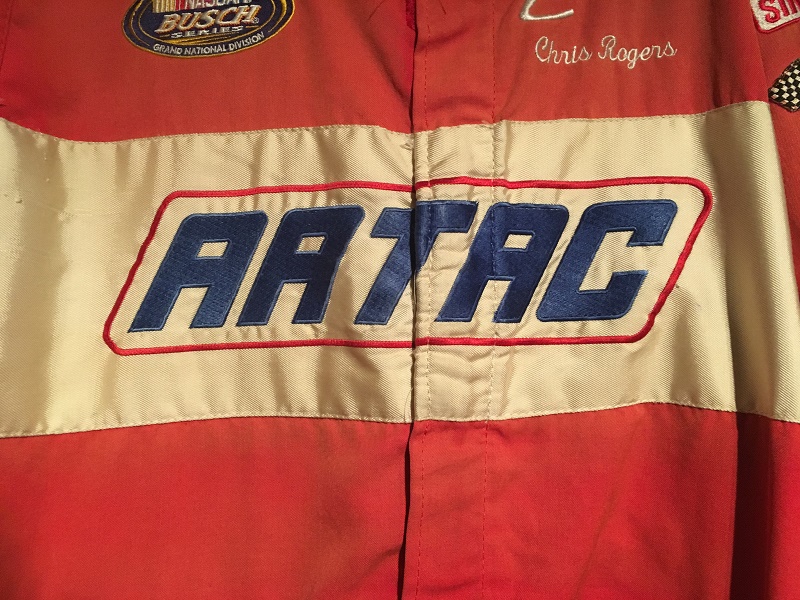
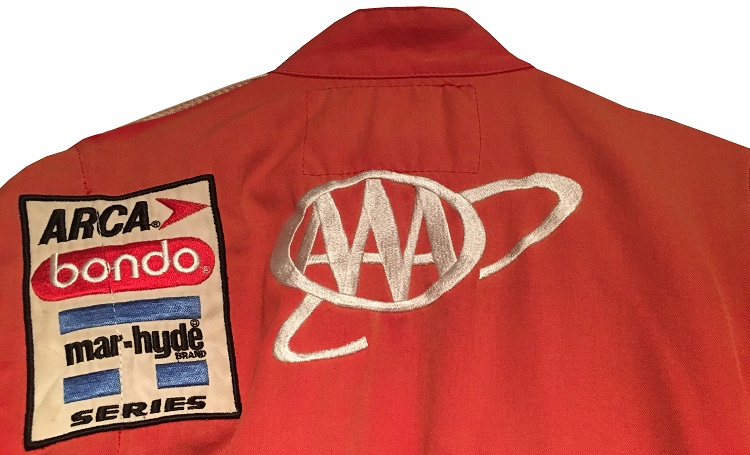
In addition to wreckers, AATAC also supplied skilled workers who were contracted to clean off the car and debris from the track. Not only did this help the tracks, it also brought AATAC publicity and exposure. As was the rule at the time, AATAC workers wore firesuits. One such example was worn by a worker named Chris Rodgers at least in 2000, but possibly from 2001-2003. This single-layer Simpson firesuit shows some use, and custom modifications.The collar doesn’t have a Velcro closure.The cowl features a vintage Simpson warranty tag.What dates this suit in 2000 is the two logos on the right front chest. The Winston Cup and Busch Grand National Series logos. Both are of the vintage from that time frame.The left chest features a NASCAR logo, a AAA logo, and CHRIS ROGERS embroidered.The front torso features a blue AATAC logo on a white stripe between the red material.The belt separates the blue legs from the red torso. It is unadorned.The legs are unadorned, from a logo perspective. There is a tool pouch sewn in to the legs. The legs have standard cuffs.The shoulders have white epaulets with AATAC logos embroidered in blue. The red sleeves have SIMPSON and PENNZOIL WORLD OF OUTLAWS logos embroidered. The back of the suit doesn’t show that much wear.What also dates this suit to at least 2000 is the ARCA Bondo/Mar-Hyde Series patch haphazardly sewn into the back near the AAA near the neck. The last year of the series being the ARCA Bondo/Mar-Hyde Series was 2000, after which it became the ARCA RE/MAX Series.The back of the torso features the same AATAC blue over white logo as the front.Next week, the Series Logo feature returns!

The First Cuban To Win In NASCAR’s Top Series

By David G. Firestone

NASCAR is closely associated with a lot of things. One thing it isn’t typically associated with is Cuba. The typical driver profile that most people all drivers are Caucasian males. In recent years however, NASCAR has been working to increase diversity in the sport. The Drive for Diversity is a program that has brought a lot of diverse talent into NASCAR, including Paul Harraka, Darrell Wallace, Jr., Natalie Decker, Kenzie Ruston, Mackena Bell, Sergio Pena, Kyle Larson, Daniel Suárez, and Aric Almirola.

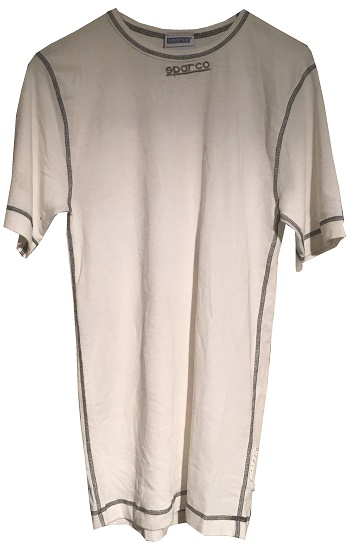
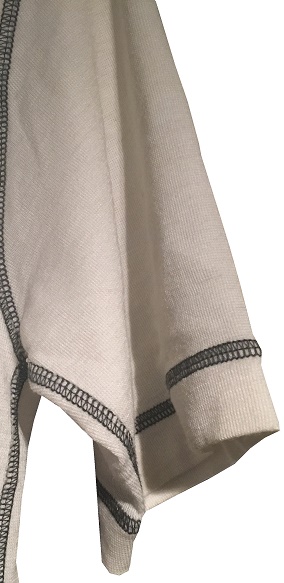
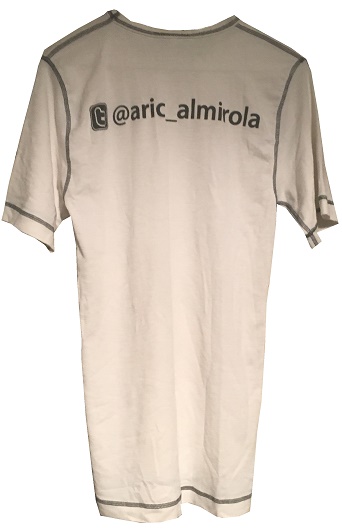
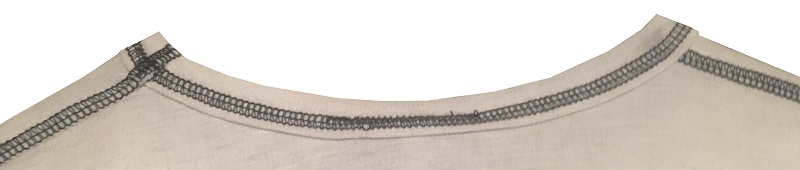
Born in Flordia to Cuban parents, Aric Almirola began racing karts at age 8, eventually racing nationally at age 14. In 2002, he started racing in NASCAR, eventually joining Drive for Diversity in 2004. In 2005 he began racing in the Truck Series, eventually becoming the 24th driver to win races in all 3 of NASCAR’s top 3 series. During his career, he wore this undershirt. This Sparco X-COOL Silver lightweight undershirt shows a little use.The cowl has a small size tag, and SPARCO is embroidered in gray lettering.The front torso is unadorned.There is a rubber X-COOL Silver patch on the left side.The shoulders and sleeves are unadorned. The back of the shirt shows some very light wear.The back of the neck is unadorned.Aric Almirola’s twitter handle @aric_almirola is printed on the back, as opposed to the front for some reason.I like this, and hopefully, I can get this signed at some point.

I wasn’t going to do another one, but I tried this, and I wanted to share this recipe. So, it’s…

TAILGATING TIME

Shrimp de Jonghe

4 servings

Ingredients

1 1/2 pounds shrimp, peeled and deveined

2 cups dry white wine

1 cup butter, melted

2 cloves garlic, minced

2 cups fresh bread crumbs

1 pinch ground cayenne pepper

1/2 teaspoon paprika

1 cup chopped fresh parsley

Instructions:

1-Preheat oven to 350 degrees F (175 degrees C). Lightly grease an 11x 7 inch casserole dish.

2-Place shrimp evenly in the casserole dish.

3-Pour wine over the shrimp.

4-Mix together butter, garlic, cayenne pepper, paprika, parsley and bread crumbs.

5-Sprinkle bread crumb mixture over the shrimp. Refrigerate now if desired.

6-Bake in preheated oven for 20 minutes, or until shrimp are firm and topping is golden brown. Serve immediately.

Next week, a firesuit from an aspect of racing that isn’t really discussed.

Miss Winston Revisited

By David G. Firestone

I was doing some cleaning recently, and I discovered I had this. I had to double check to see if I had covered this item, and it turns out I had, but not very well. So for this week’s Friday Feature, I will discuss this vintage Miss Winston suit.

Miss Winston was an idea thought up in the 1970’s. The idea was to have a beauty queen with the drivers in Victory Lane after races. The idea died after the Winston Cup turned to the Nextel Cup, but when Sprint took over in 2009, the idea was revived. Monster Energy kept the trend going, but with the new sponsorship setup, at the time of publication, I don’t know if it will continue.

At least 50 different women were Miss Winston at some point. Though they were told not to, many dated and even married drivers. The dress code was decided by Winston, and included this vintage jumpsuit.  It is a simple red polyester jumpsuit.There is a collar, and a wash tag in the cowl.It has a Winston logo embroidered on the chest.It come with a white belt and straps on the legs. The suit features short short sleeves. The back of the suit is unadorned. Winston was an idea thought up in the 1970’s. The idea was to have a beauty queen with the drivers in Victory Lane after races. The idea died after the Winston Cup turned to the Nextel Cup, but when Sprint took over in 2009, the idea was revived.

Since this is a short article, I’m going to add…

TAILGATING TIME!

It’s early in the year, it’s cold, so if you are going to watch a race with friend, you want something hearty, so I present:

Beef Pot Roast

8 Servings

Ingredients

2 teaspoons olive oil

4 pounds boneless chuck roast

1 onion, chopped

2 cloves garlic, minced

2 bay leaves

1 teaspoon salt

1/2 teaspoon freshly ground black pepper

Instructions:

1-Preheat oven to 325 degrees F (165 degrees C).

2-Heat a heavy Dutch oven on top of the stove over medium high heat.

3-Add oil, and sear meat in the center of the pan for 4 minutes.

4-Turn meat over with tongs; sear all sides for 3 to 4 minutes on each side.

5-Remove meat from pan. Arrange onion, garlic, and 1 bay leaf in the bottom of the pan, and sprinkle with salt and pepper.

6-Return meat to pan, place remaining bay leaf on top of meat, and cover.

7-Cook in the oven for 30 minutes at 325 degrees F (165 degrees C).

8-Reduce the heat to 300 degrees F (150 degrees C), and cook for 1 1/2 hours.

9-Remove roast to a platter to rest for 10 to 15 minutes.

10-Slice, and top with onions and gravy.

Next week, we focus on Aric Almirola.

Currencies: Coins and Paper Money-Revisited

By David G. Firestone

Money really is the great equalizer. Every human being on the planet wants as much of it as possible. We work jobs we hate in order to get it, and we spend it as we see fit. While we mainly spend it on things we need to live, food, shelter, and clothing, we do spend it on things that make us happy.

I find it amazing that most people know so little about one of the most important objects in the world. For a lot of us, our pocket change can be useful, but if you knew the history about it, and how it was made, they would be awestruck.

Metallic coins really started with the human desire for gold. While the earliest known coins date back to around the 8th and 7th centuries BCE, gold has been used since 600 BCE for monetary purposes. Today, gold is still a part of global currency, but most gold mined is used for other applications, such as jewelry, electronics, medicine, commercial chemistry, and other industrial uses.

Gold is also a status symbol. Gold medals, and trophies are symbols of victory and achievement. Gold used in jewelry is symbolic of wealth and success. Gold in and of itself is seen as both a form of good and evil. One of James Bond’s most well known foes was Auric Goldfinger, who spent his entire life trying to acquire as much gold as possible.

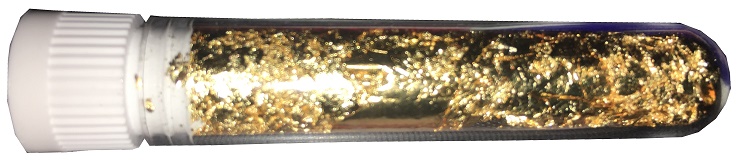
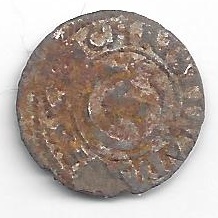
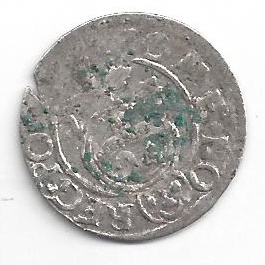
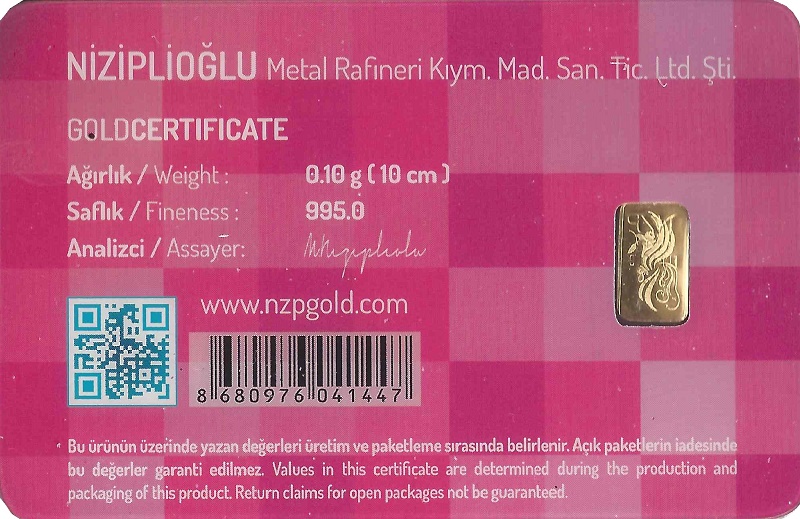
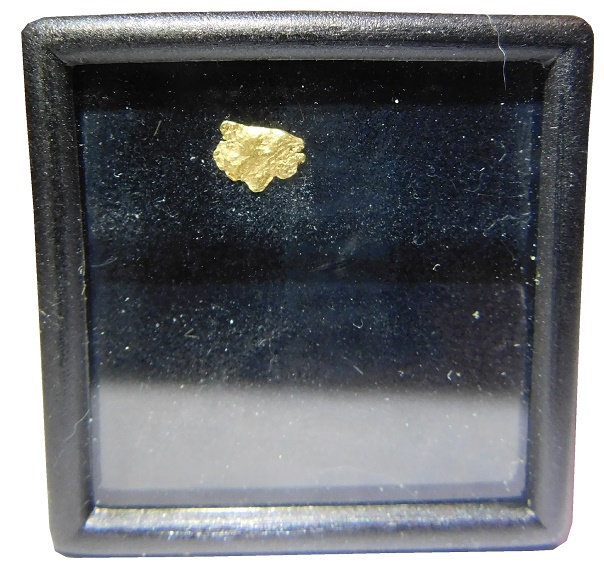
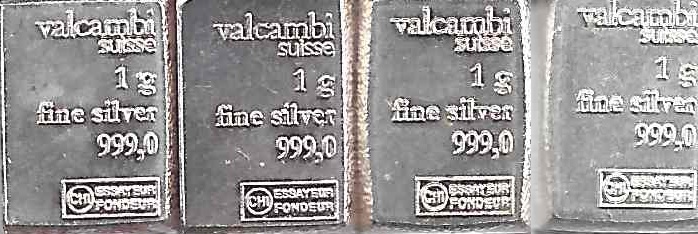
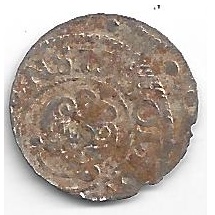
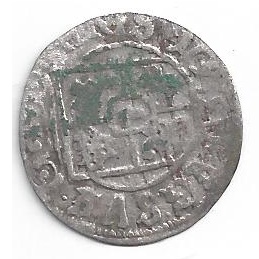
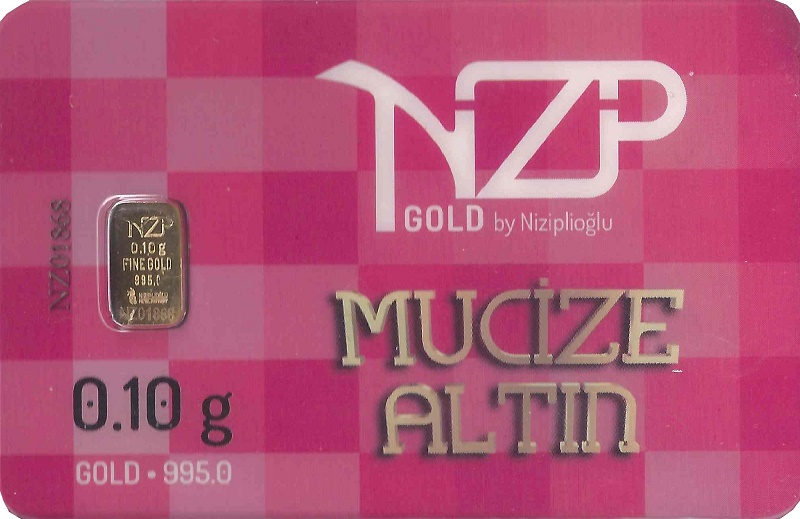
I happen to have some pure gold in my possession. I have .1 gram from NZP Gold, a smelting plant in Turkey. Gold is one of the few minerals we all want to have. This is a small gold nugget. It is .07 grams. When pure gold is flattened by “goldbeating” the end result is a sheet of gold leaf. It’s main uses are for art and architecture, but it can also be edible. These are two small jars of gold leaf. Silver has uses in many different applications, including electronics, medical uses, solar panels, currency, photographic film, x-rays, and numerous other uses. These are three 4 gram bars of 99.999% silver. Coins started their lives as a way to simplify the use of gold as currency. Coins were originally made by using molds and metal. The blank was made using bars of metal, which was hammered out on anvils. Then the blank, which is known as a “planchet” was then heated up, placed between the two molds, and hammered. This was a less than precise method, and since the mold had to be hammered by hand, the design would vary. This Constantine-era coin is an example of that process.These examples of medieval coins are also examples of that process.
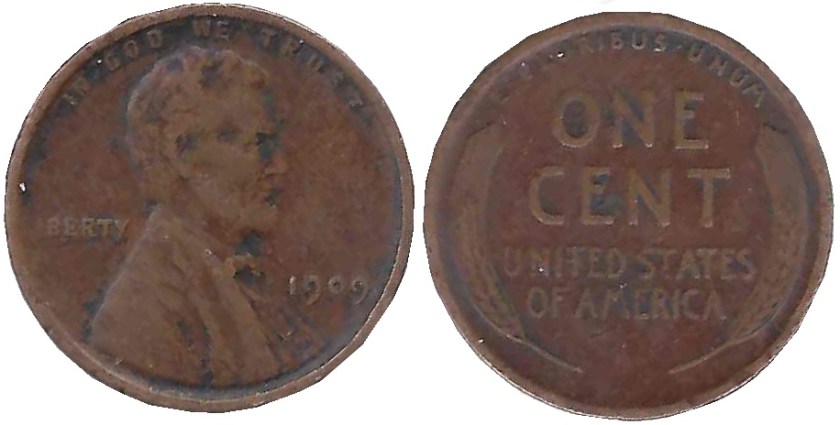
 Modern currencies are very heavily monitored. The designs in recent years aren’t so focused on being artistic, but focused on being counterfeit-proof. Older coins tend to be better looking. These better-looking designs include:

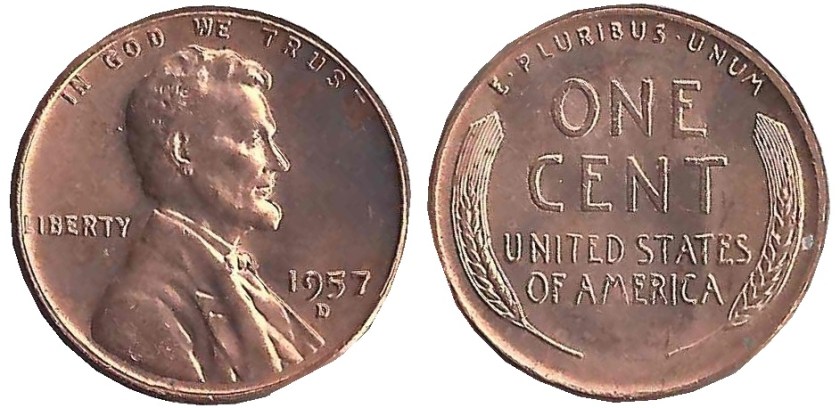
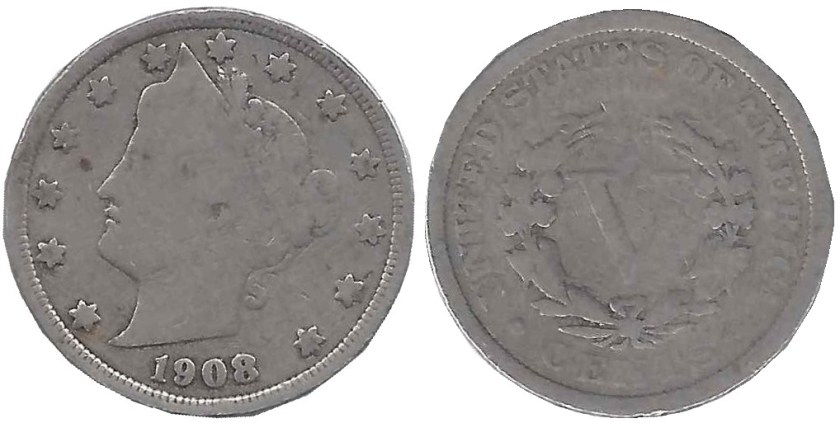
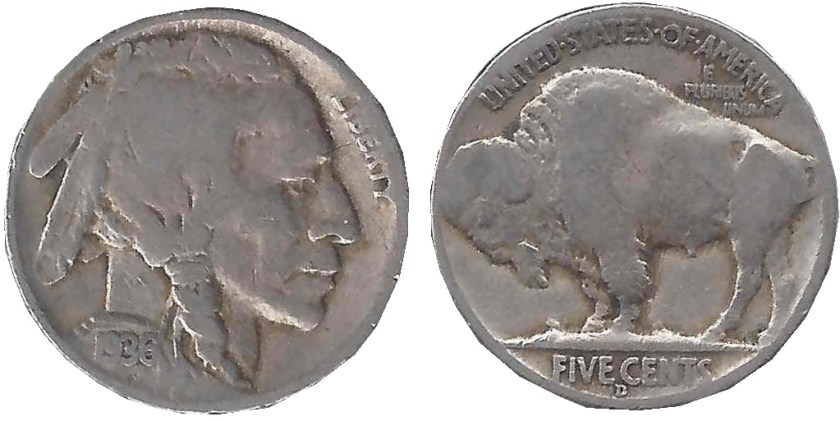
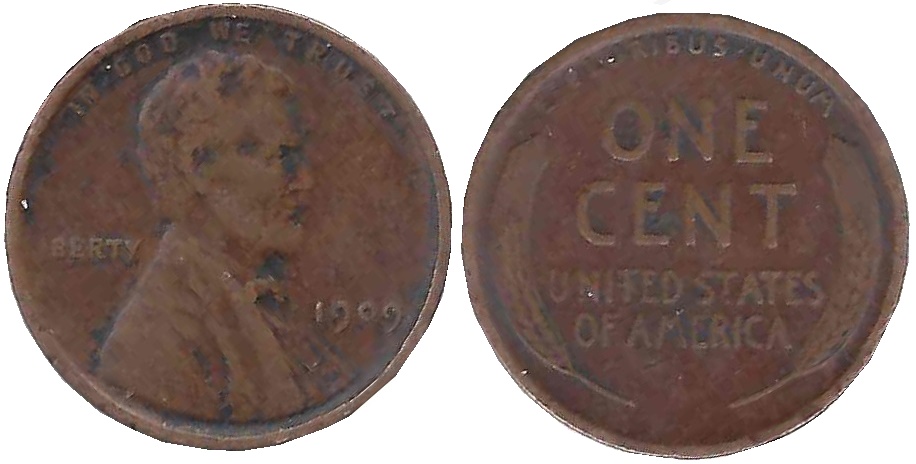
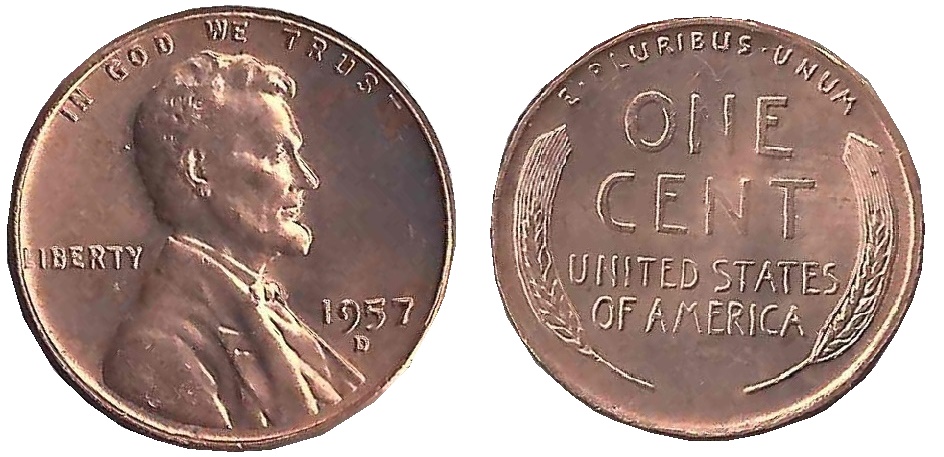
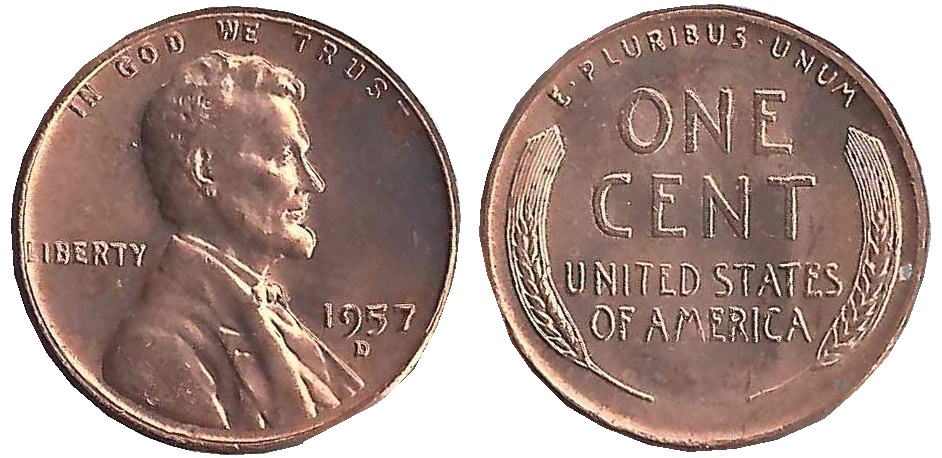
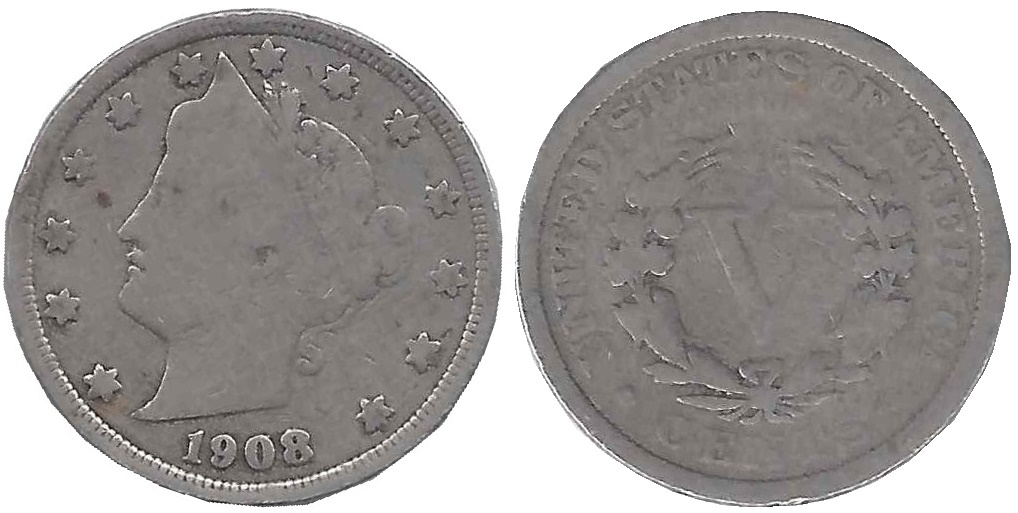
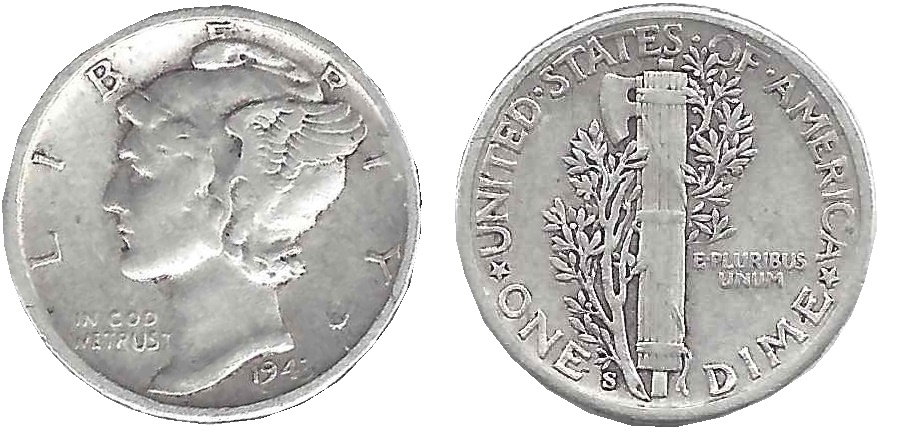
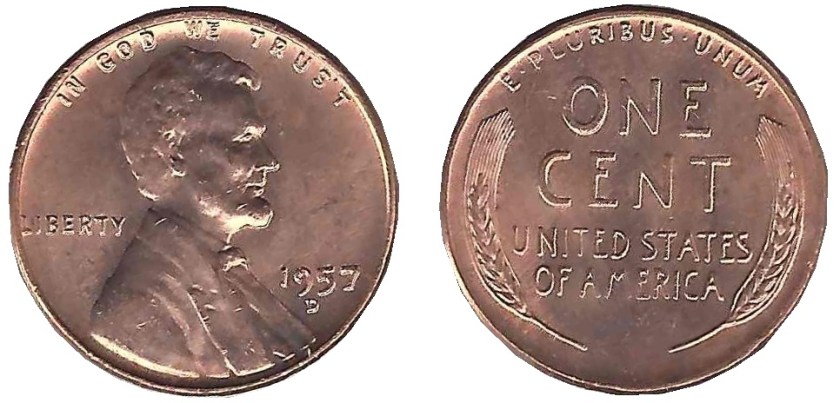
Wheat Pennies, Liberty Nickels, Buffalo Nickels, and Mercury Dimes,As time went on, the process improved. Dies replaced the molds. The die process is similar in theory to the mold process, but there is a lot more quality control involved. Dies are cast from a master die. The design for the master die is drawn on paper, and then hand carved in clay then plaster by an engraving expert, in a much larger size than the coin will be. That is then coated in expoxy, which takes 18 hours to set and cure, then it is placed in a machine that is called a “reducing lathe” which spins the design around while transferring every minute detail from the large epoxy mold to a coin-sized die. This die is called “the reduction hub” and is used to make the master die.
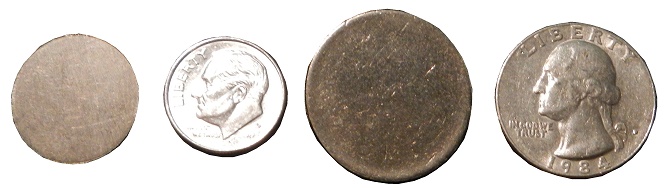
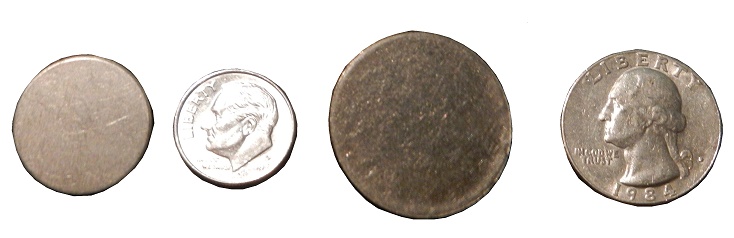
When the master die is made, the reduction hub is placed into a machine with a cone-shaped piece of metal. The machine presses the hub into the cone, creating the master die. This master die is used to make “working hubs” which are used in the die press. Dies have the image of the coin reversed, so they come out properly in the minting process. Planchets come about from 1,500 foot rolls of prefabricated metal, which has the correct mixing of metals. The planchets are punched out, and the waste metal is recycled. These are two examples of modern planchets, one is a quarter, one is a dime.After they are washed and cleaned, the coins go through an “upsetting mill” which uses a large spinning disk to move the planchet through a groove which grows narrower and narrower. This adds a raised edge to the coin, higher than the design, which is called a “relief.” This is done to protect the relief. Then the planchet, with the raised edge heads to the press, where a die set is waiting. The coin press can stamp out 750 coins a minute, or 12.5 coins a second! One die is the “hammer” which moves back and forth during the stamping process, and the other is called the “anvil” and is stationary.
After the coin is struck, mint technicians examine a sample from the batch. If there are die errors, or other forms of damage, the lot it scrapped, the metal recycled, and a new hub is brought in. This is done for several reasons. The mint takes pride in their work, but the main reason is that new vending machines have scanners that scan coins as they are inserted. Errors of any kind mean that the scanner will reject the coin as it sees it as fake.

Interestingly, the US Mint doesn’t simply throw away used coin dies. They realize that there is a huge demand for coin dies. The relief is removed from the die, and destroyed. The end result is packaged with one of the coins it minted, and sold in sets to collectors.

The relief has to be removed. This is not a minor issue, as there are a lot of counterfeiters out there, who want to make money the illegal way, rather than earn it. This also goes back to the Canadian Voyager Die incident. In 1986, the Royal Canadian Mint shipped both sets of master dies from Ottowa to Winnepeg. In the following investigation, it was discovered that the Royal Canadian Mint had no set procedure for shipping dies, and in a bid to save $43.50 Canadian. This disastrous decision forced the Mint to come up with a new design, due to the very real fears of counterfeiting, and as such, the Loonie was chosen as the new design for the dollar coin.

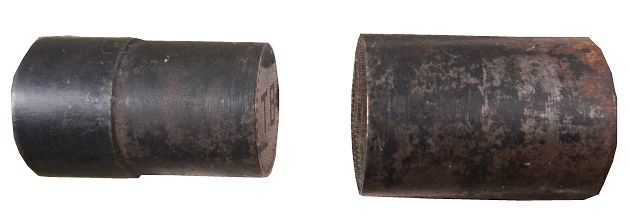
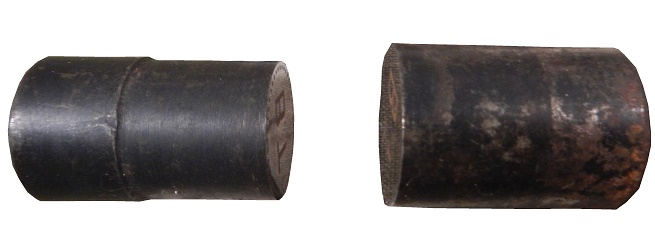
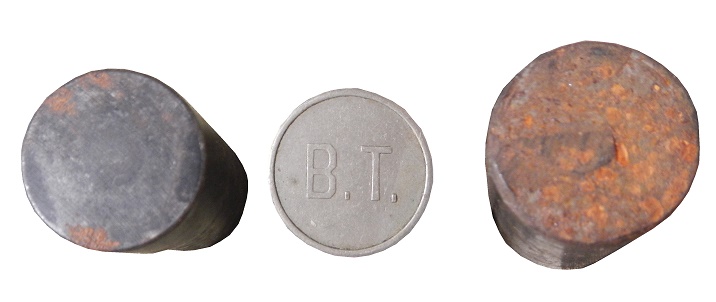
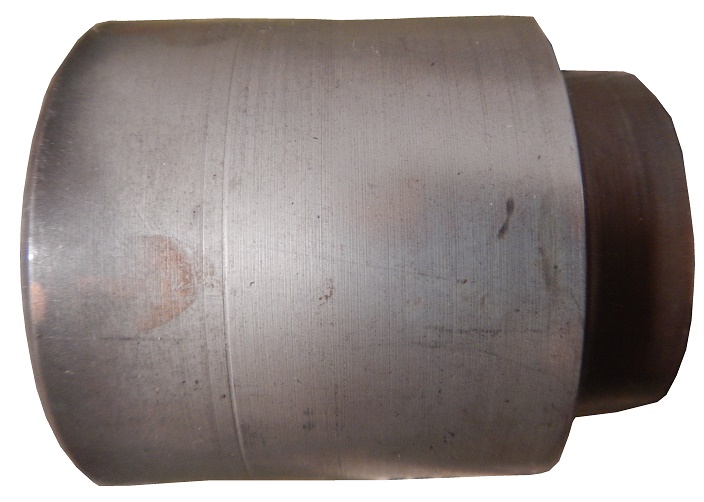
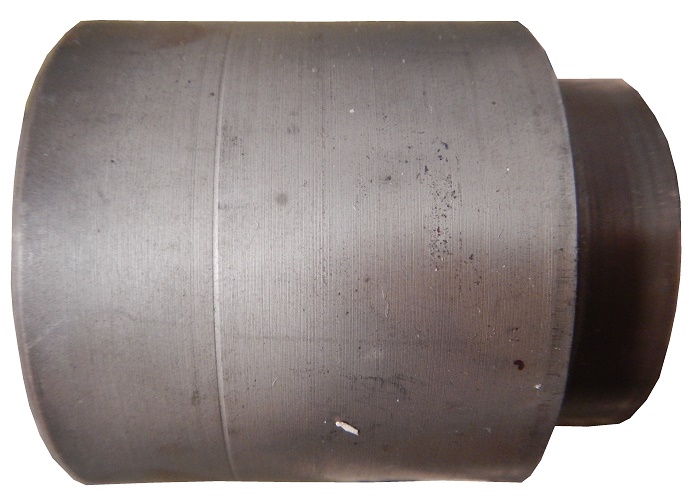
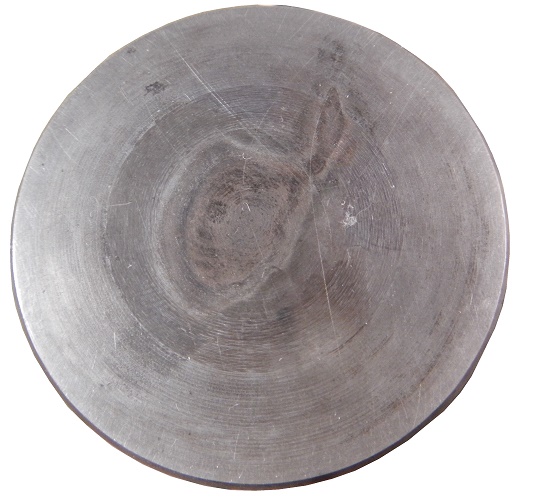
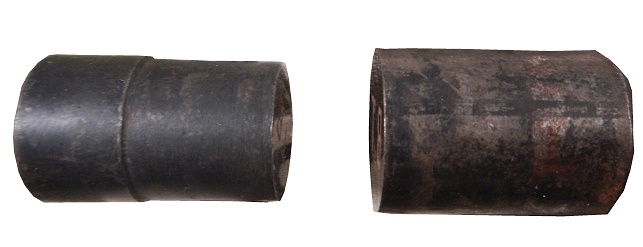
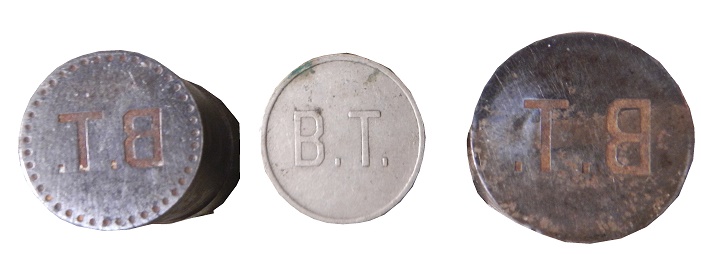
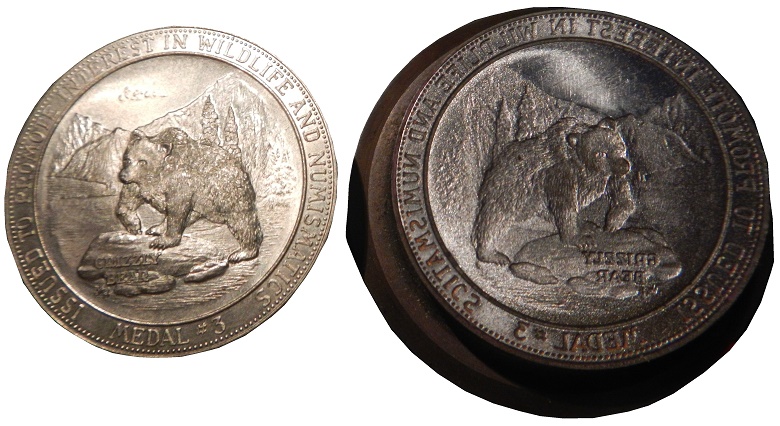
While it is impossible to get a die used in a monetary coin, medallion dies are easier to get. While some dies are clearly canceled, others, such as these three examples, still have the reverse image present. These two small dies were used to make a small “B.T.” token, slightly bigger than a nickel.  The accompanying token is a fit to the mold. This second die is from a 1960’s Wildwood Medallic Arts Wildlife series medallion and the matching die. This is from the 3rd medal in the series, this is the Grizzly Bear die from the Grizzly Bear/Golden Eagle Medallion. The relief is just under 1.5 inches across, and is in perfect condition, having no evidence of cancellation. The medallion fits perfectly in to the die. The first government to issue bank notes was the Song Dynasty in China. The Song Dynasty, in the early 11th century, allowed 16 different banks to print up the first bank notes. This was done because copper coinage is much heavier than a bank note, and that copper production was declining. Once the Song Dynasty realized the advantages of bank notes, they took over production of the notes in 1023. By the 1200’s, most Dynasties were using some form of paper bank note.
Around the 13th Century, Marco Polo and other European explorers made their way into Asia, and began to encounter paper bank notes. Polo was especially interested in these notes, stating chapter 24 in The Travels of Marco Polo:

“All these pieces of paper are, issued with as much solemnity and authority as if they were of pure gold or silver… with these pieces of paper, made as I have described, Kublai Khan causes all payments on his own account to be made; and he makes them to pass current universally over all his kingdoms and provinces and territories, and whithersoever his power and sovereignty extends… and indeed everybody takes them readily, for wheresoever a person may go throughout the Great Kaan’s dominions he shall find these pieces of paper current, and shall be able to transact all sales and purchases of goods by means of them just as well as if they were coins of pure gold.”

This system was seen as effective way to transport currency from one country to another, with little confusion as to exchange rates. These early notes were not true bank notes, but were promissory notes. The note was an instruction to the bank to pay the person holding the note the amount in gold or silver. As time went on, the banks began preferring to issue bank notes as currency, and governments soon followed. For a time, there were both governments and private banks were issuing their own notes. Private banks were eventually banned from issuing their own notes as currency, and the government bank notes became the standard.

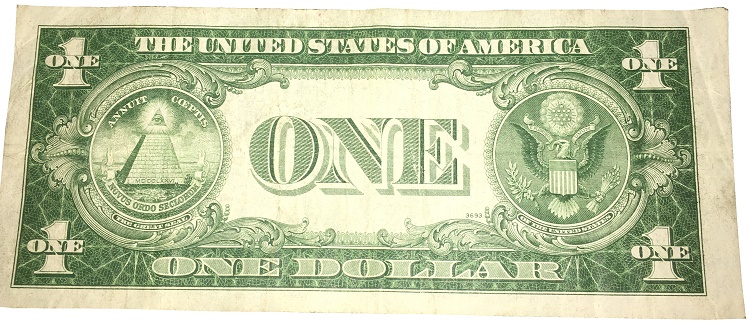
In the United States, the Federal Government is in charge of printing bank notes, though this was not always the case. The Coinage Act of 1792 specified a “dollar” to be based in the Spanish milled dollar and of 371 grains and 4 sixteenths part of a grain of pure or 416 grains (27.0g) of standard silver and an “eagle” to be 247 and 4 eighths of a grain or 270 grains (17g) of gold (again depending on purity). This was based on the Spanish Dollar, which was in use in many of the Colonies at that time. This had its drawbacks, as at the time, all 13 Colonies were each using a different state-specific currency. Each currency defined the value of a dollar differently. This system was used until 1862, when, because of The Civil War, banknotes attached to gold or silver, called gold certificates or silver certificates were issued. These could be exchanged for a set amount of gold or silver. Such as this $1 example from 1935: American bank notes are made with a special paper, which uses scrap cotton from the denim jeans industry. This helps with durability. Granted a coin will have a useful life of 30 years, whereas a bank note will have a useful life of 22 months. The paper itself is made by Crane and Company of Dalton Massachusetts, who have made this special paper since 1879. Blue jean scraps make up 75% of the material in the paper, with the other 25% being waste flax. The process is painstaking. The steps to make the paper itself, including reductions, security threads, and security strips are very exacting. The paper is then rolled into rolls and shipped.

The paper then goes to the Bureau of Engraving and Printing in either Washington D.C. Or Fort Worth Texas. The paper is cut into uniform squares, and printed using the Intaglio printing method, first used in Germany in the 1430’s. A simplified explanation of the process is that the dies that have the reverse image of the bill are filled with ink. Excess ink is removed, and the design is stamped into the bill. The ink fills all the small crevices of the die. This gives the bank note a textured feel to it, due to the different layers of ink.

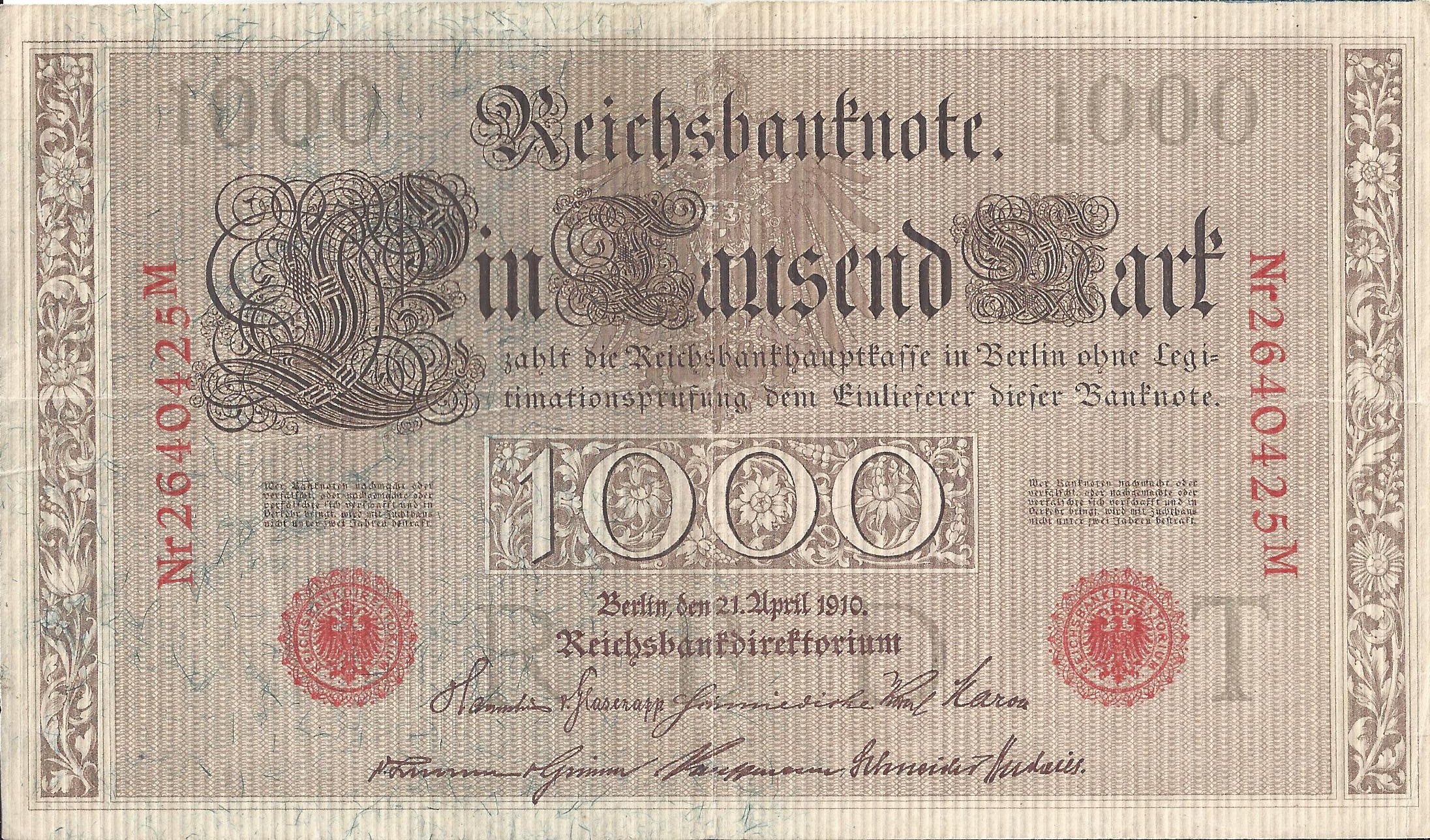
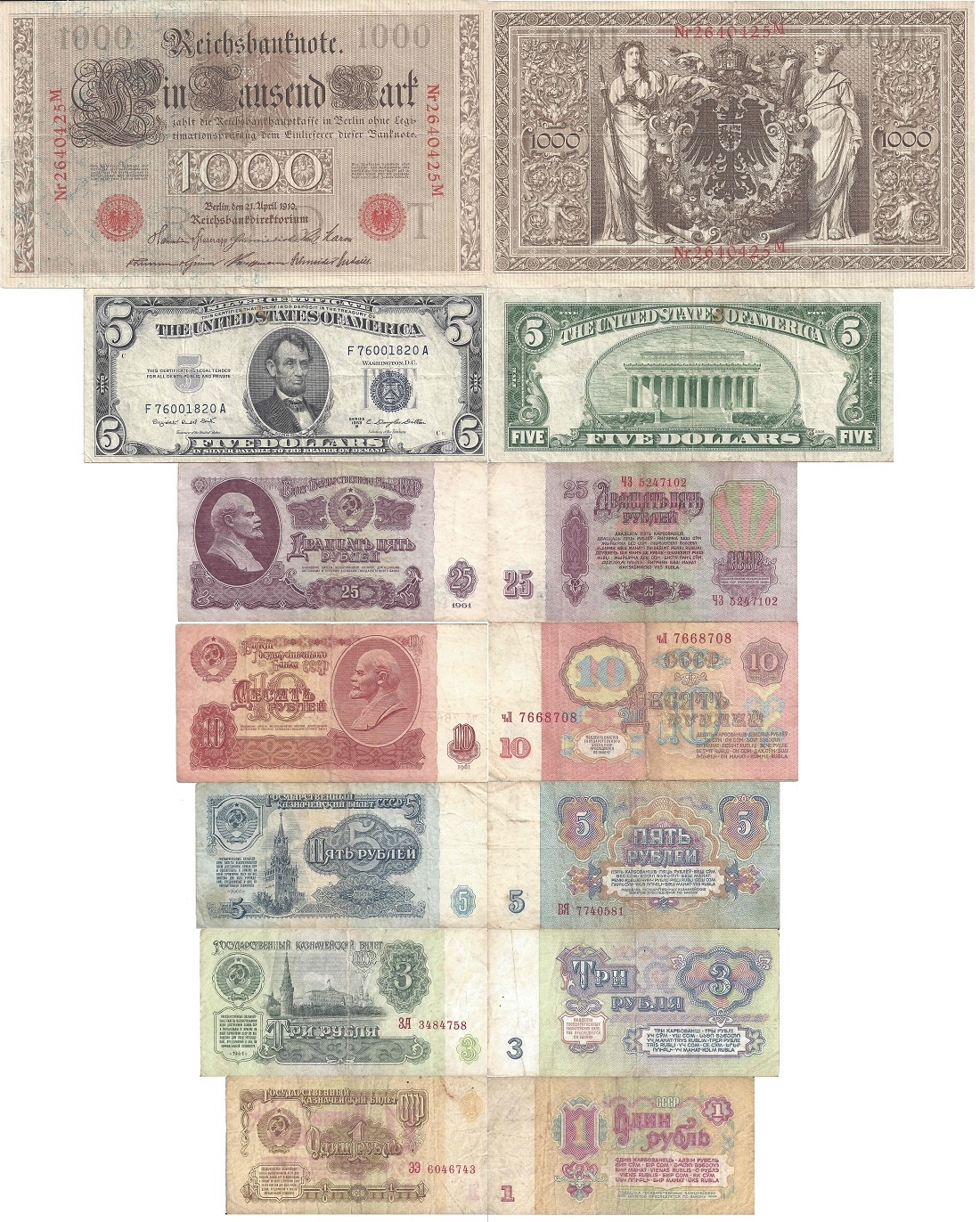
While the United States has had a somewhat stable currency since the Civil War, some other countries were not as fortunate. Germany, for example, went through a lot of upheaval in the 20th Century. Prior to World War I, The German Gold Mark was the banknote Germans used. Produced in denominations of 20, 50, 100 and 1000 Mark, the bank notes are quite large, especially compared to American notes, as this 1000 Mark example from 1910 shows: The German Gold Mark was replaced in 1914, by the German Papiermark. This decision was because the link between the gold reserves and the mark was abandoned. By the end of the War in 1918, the German Papiermark was nearly worthless, due to the German loss, and insistence of Germany to pay back war debts by printing and using bank notes. The Rentenmark replaced the Papiermark as such, due to hyper inflation. It was replaced with the Reichsmark, prior to World War 11, and then the East German Mark, and Deutsche Mark from War’s end to 1990, when Germany was reunited, and the Deutsche Mark took over from 1990, until 2002, when the Euro took over as currency for Germany and much of Europe.

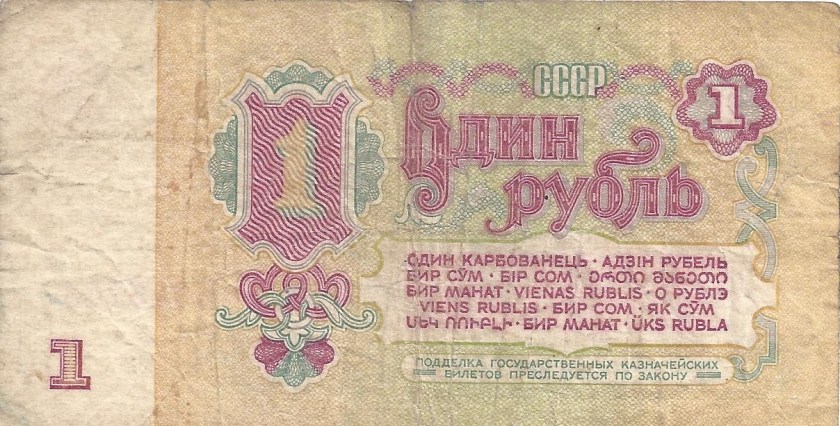
Another country that had a lot of economic upheaval was Russia. The Ruble is the traditional currency of Russia, and like other currencies, were made of gold or silver. The amount of metal per coin varied, until Peter The Great standardized the amount of silver in 1704. By 1768, banknotes were being printed, by the Assignation Bank. This lasted until 1843, when the Assignation Bank folded, and “state credit notes” were issued by the government.

The old system lasted until the October Revolution of 1917, when the Russian Soviet Federative Socialist Republic took over as government, and began circulating their own version of the ruble. The first version, which was used until 1922, had to be adjusted for post-war, non-gold standard hyperinflation after World War I. In 1922, the second version was instituted, this version having a rate of 1 “new” ruble for 10,000 “old” rubles, due to hyperinflation. The third change took place in 1923, at a rate of 100 to 1. This lasted until 1924, when Joesph Stalin’s consolidation of power following the death of Lenin, and Stalin issued the fourth version of the Soviet Ruble, which was attached to the gold standard, and lasted through 1947, when the fifth version, which was issued in response to citizens selling wartime rations for a profit, and keeping the money for themselves. This was placed on amounts over 3,000 rubles.

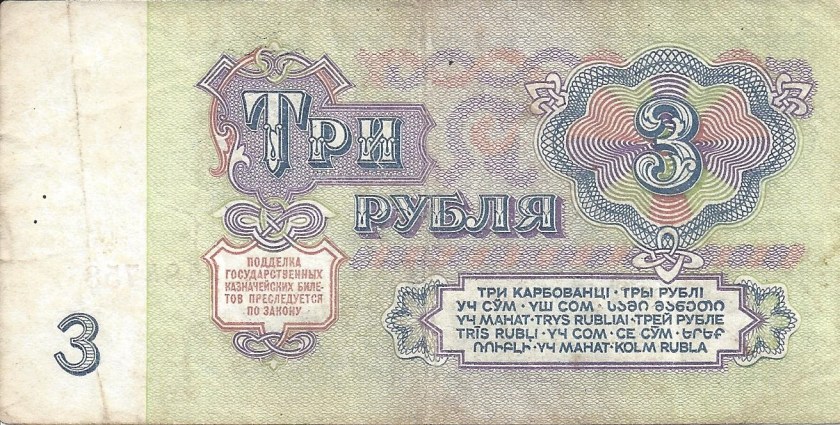
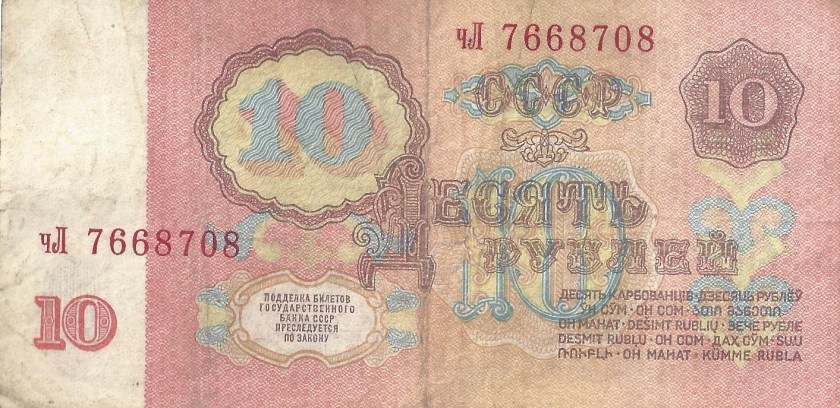
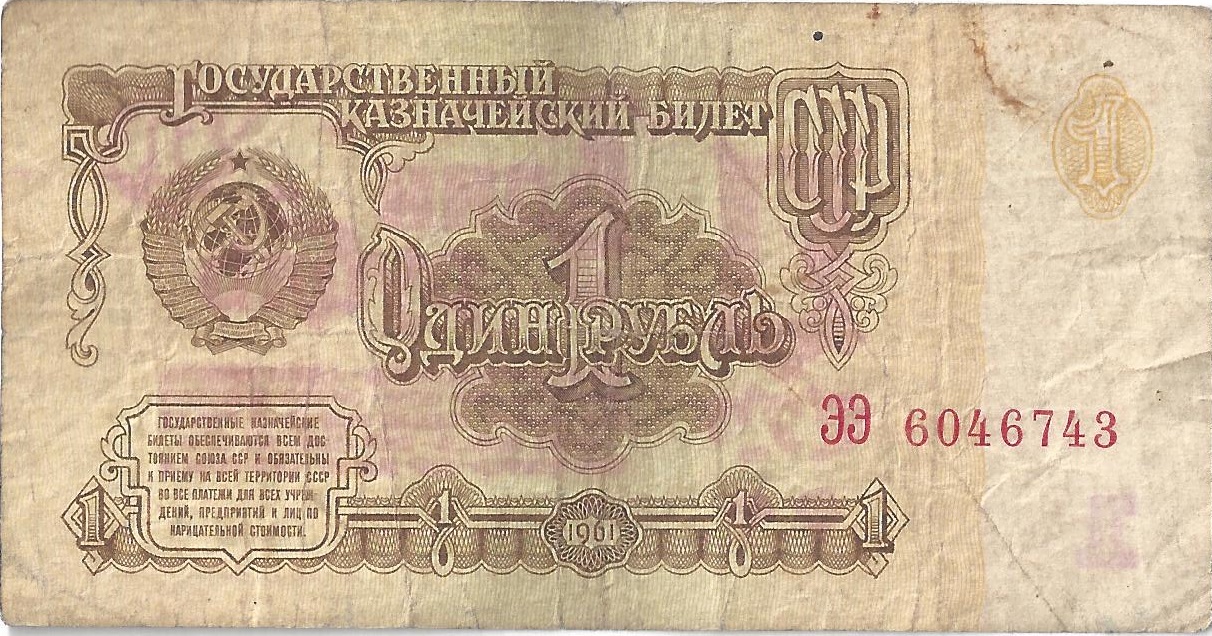
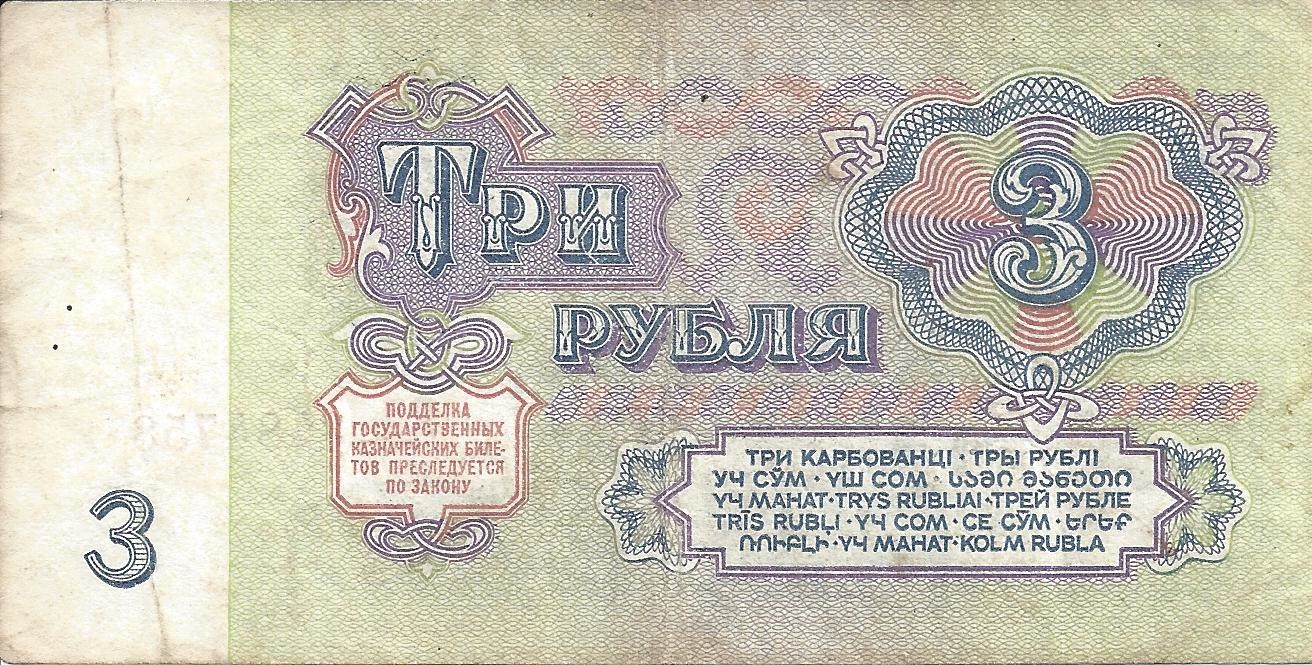
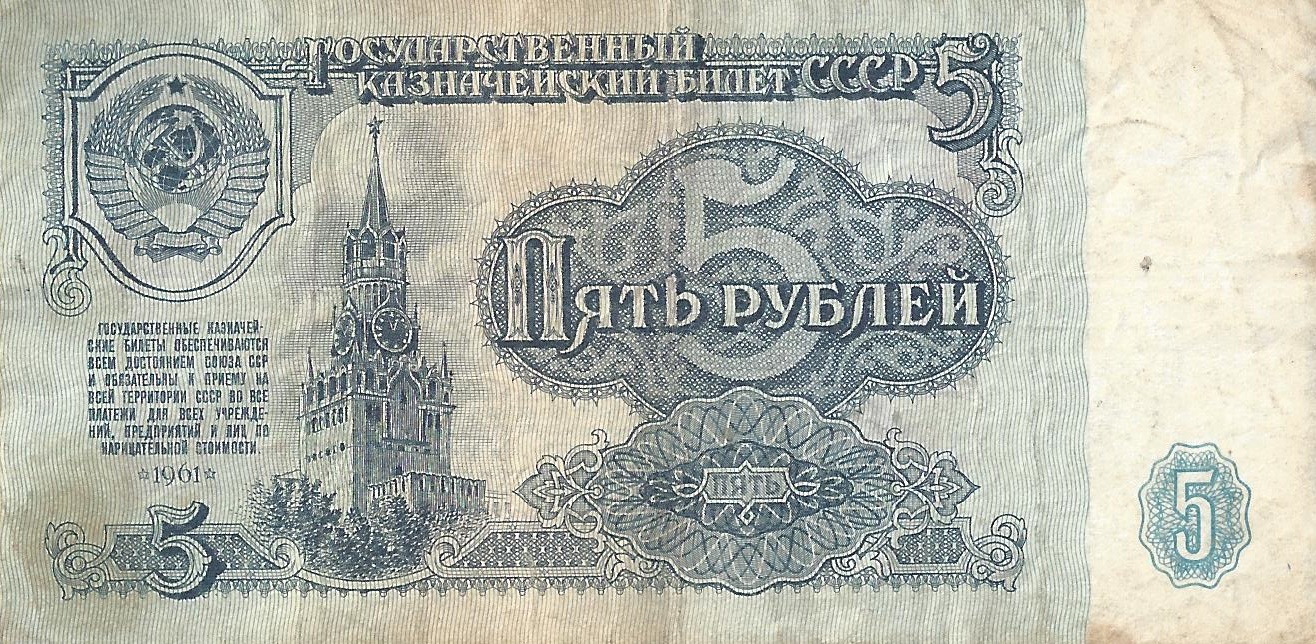
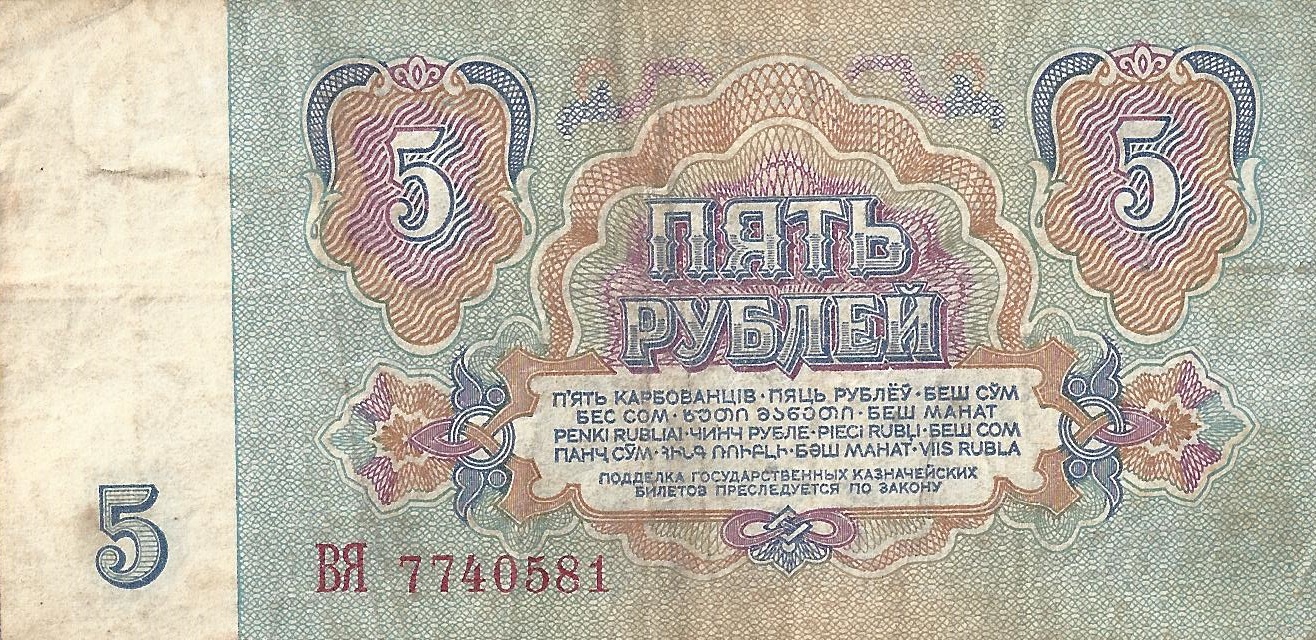
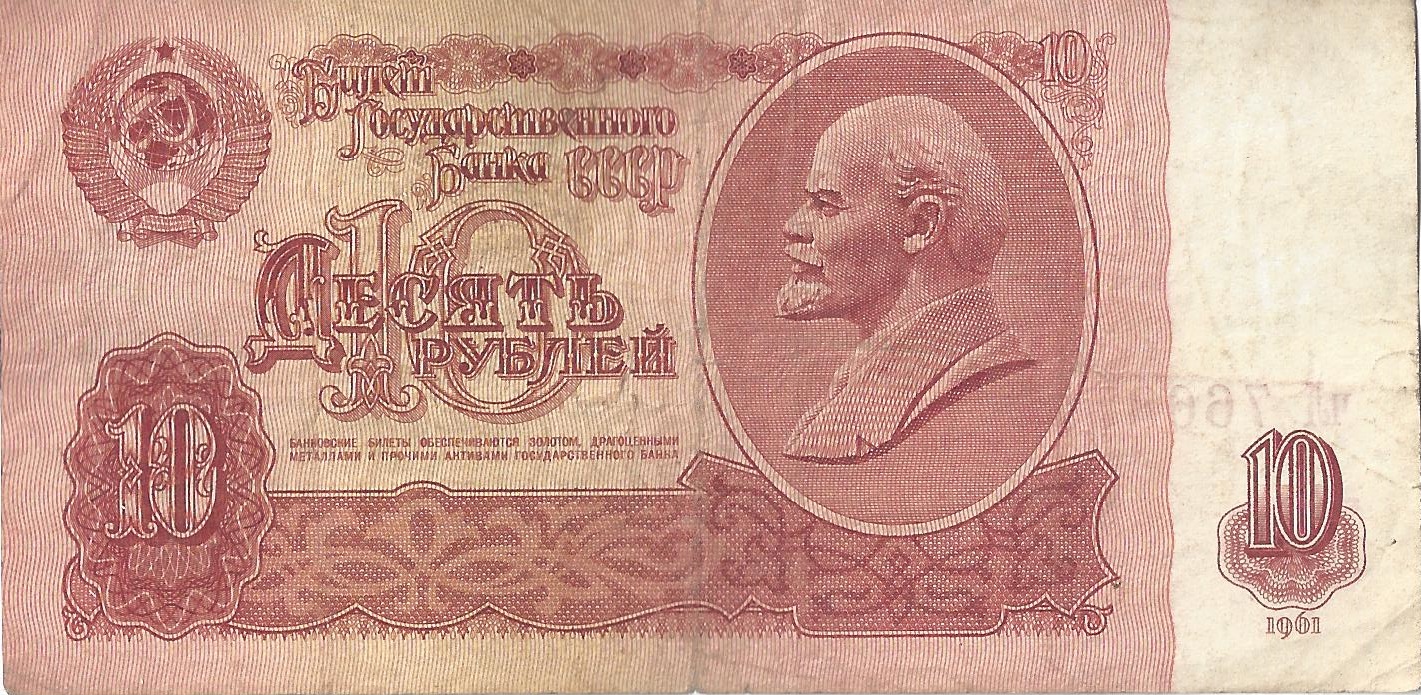
These are examples of the sixth version, used from 1961 to 1991. These brand new bank notes were designed by artist Victor Tsigal, and had a gold exchange rate of one ruble for 0.987412 gram of gold, though the gold was never offered to the general public. These are the 1, 3, 5, 10, and 25 ruble bills from 1961, the first year of issue. The size differences between vintage bank notes are amazing:Next week, a vintage suit revisited.
Wheel Reviews-Pit Stop-1969

By David G. Firestone

Most movie fans haven’t heard of Jack Hill. He is an exploitation director, who made a number of films, including Foxy Brown, The Big Doll House, City On Fire, and Spider Baby. He is credited with discovering Pam Grier, Sid Haig, and Ellen Burstyn. Quentin Tarantino has gone so far as to call Hill “the Howard Hawks of exploitation filmmaking”.

At some point in the late 1960’s, Hill went to a figure 8 stock car race. A figure 8 track is in the configuration of an 8, and the cross is where a lot of wrecks happen. Hill as so enamored with this kind of racing, that he made a movie about it. Origially titled “The Winner” it had to be changed to “Pit Stop” to avoid confusion with the Paul Newman racing film Winning released that same year.

The movie starts with a clearly tricked out car pulling into a parking space. Even though the movie is called “Pit Stop,” The Winner title card is still present. Two more cars drive and park nearby while the opening credits roll. More and more cars pill up in the middle of the street.

While the group admires the first car, a man walks over to one of the other cars, and discusses a racing bet. While the man in the suit watches, a street race takes place. Engines rev, and the race starts. One car hits a spilled can of Schitlz, and drives into the side of the house. The other driver, the main character, and tries, but fails to evade the police.

The man who made the bets drives to the police station, where the driver is released. The man who made the bet, Grant Willard, played by Brian Donlevy. The driver is Rick Bowman, played by Richard Davalos. Rick clearly doesn’t trust Grant, but Grant reveals that he is involved with real racing.

Grant takes Rick to a figure 8 race at Ascot Park. As the announcer says last names, he mentions Curtis Turner. The racing action is intense, with a series of wrecks, and mangled cars. One car is racing with the hood blocking the front windshield. Rick is freaked out by the on-track action, and Grant asks he wants to try it. Rick states that he “…would rather go back to the joint.” Eventually, a winner is crowned, and the crowd hates him. The driver is Hawk Sidney played by Sid Haig.

After the race, Rick, Hawk, and Grant meet up at a bar. Grant introduces Hawk to Rick. Hawk gives Rick a speech, and he reminds me of Cutter from House of 1000 Corpses, also played by Haig. After the speech, Grant asks Rick if he wants to race, to which Rick responds with “where can I get a car?”

The scene shifts to a junkyard car dealer, who shows Rick a car, and they discuss racing, and Grant. The two agree on a deal for the car. Rick takes the car back to the track, and enters his first race. As with the last scene, the action is fast, and Rick and the driver who wrecked him get in a fight. As he got wrecked, he how has to work at the junkyard , until the car is paid in full. In the junkyard, Rick works on cars, while Hawk combs the yard for a car.

Hawk decides to tease Rick as he works on a car. As Hawk leaves, Rick meets Jolene, played by Beverly Washburn. The two talk about the fight at the track, and then she leaves. The scene shifts back to the track, where Rick and Hawk race. Again, the racing action is great. Rick gets wrecked, and has to end his race early. Rick meets and old mechanic, and it’s revealed that Grant told Hawk that Grant would give Hawk’s car to Rick if Rick beat Hawk. More of the same follows at the junkyard. Mixed in with the junkyard are sequences where Rick gets a series of tips on how to improve his racing.

Another race is shown, but Rick is in the crowd for this one. Here, Ed McCLeod is introduced. Hawk shows up with a custom car, and he makes it clear that he will cause bodily harm to anyone who messes up his car. Rick convinces Grant to a deal where if Rick beats Hawk, Grant will sponsor Rick at Phoenix International. Rick is more aggressive with his racing. Rick ends up wrecking Hawk to take the win. As the track crew sprays Hawks’ car with a fire extinguisher, they spray him in the face. Hawk is clearly enraged.

The scene shifts to a club where Jolene and Rick dance with each other. Rick and Jolene, go outside, and sit in a car. Rick is clearly drunk, and the two start to make out. They stop, and the two go for a drive. The two agree to go to a motel, and decide to get some more booze. A drunk Hawk stalks the two. Hawk crashes into Rick, and beats both Rick and his car, to Jolene’s horror. Rick fights back but Hawk continues the beatings.

Rick is taken to the hospital, where he is diagnosed with a concussion. He is told to get bed rest. Rick goes to a pay phone, and calls Grant, who is discussing a new car with a custom car maker. Rick asks Grant where he can find Ed McCLeod Grant jokes with Hawk about Rick, but Hawk’s demeanor strikes Grant as odd.

Rick walks into a random store room, where the lights are oddly flickering, which is caused by a welder. The welder is Ellen McCLeod, Ed’s wife, played by Ellen Burstyn. Eventually, Ed meets Rick. They discuss beating Hawk, and racing at Phoenix. Ed doesn’t believe Rick isn’t cut out for real racing. Rick convinces Ed to watch him at a race.

Another day, another figure 8 race, and more great racing action. Rick is getting his car ready, and has Jolene break his arm cast with a hammer. Hawk is also racing, and for some reason, has STP written on his hand. This would be a great time to mention that the announcing for the races is amazing, on par with Dorf Goes Auto Racing. Hawk and Rick avoid wrecks, and the race continues. Hawk gets spun out, and Rick wins. Ed admits that Rick is good “…for a rookie.”

Jolene congratulates Rick, and Hawk approaches menacingly. Hawk offers to buy Rick a beer, then apologizes. The scene shifts to the club, where Hawk dances, and Grant, Ed, and Rick discuss business. An idea comes across to bring Hawk along to Phoenix to win the race.

Rick goes back to his motel, drinks, and smokes. Jolene is all over him. They talk about the idea of him winning at Phoenix. The discussion turns to religion, and Jolene babbles for a little bit. Back at the shop, the cars are coming along, and Rick is enamored with Ellen. The group goes off-roading in the desert. The desert hill climbing scene is very well shot, and is great.

That night, a friendly sing along near a fire happens. Jolene is really into it, dancing around, where others are talking about their cars. Ellen decides to take a walk in the desert. After asking if there is any place left in the world without empty beer cans, the two make out.

The scenes shifts to the race track, where Sonny Simpson, the new antagonist,is introduced. Hawk decides to tease Sonny. Hawk qualifies better than Sonny. Sonny is easily riled, and Hawk is trying to get in Sonny’s head. Rick qualifies well, and then Ed qualifies. Ellen and Ed discuss the upcoming race at the Oasis Motel. Ed and Ellen decide to take a real vacation. Ed also tells Ellen that if he wins, they will start a family.

The scene shifts to Jolene taking a shower, while Rick reads Hot Rod. Jolene tries to get Rick to notice her, but he keeps reading. The two begin arguing. Rick is stressed because of the race, Jolene is upset because Rick keeps getting mad.

Race day begins at Phoenix. Rick makes an adjustment to his car, while Grant looks on. Grant tells Rick that he doesn’t car who wins the race, so long as one of his drivers wins. The race begins. Hawk eventually takes the lead. Sonny isn’t going down quietly, and the two battle for the lead. Hawks engine eventually gives out, and Rick starts moving up the lead. A dejected Hawk looks over his car. Sonny is now in the lead, and is rapidly lapping the field. Sonny gets spun out, and Rick is in second. Ed and Rick are first and second in the race, coming into the checkered flag, and Ed is spun out and hit. Rick takes over. Ed climbs out of the car, and is placed in an ambulance. Rick goes on to win the race.

After the race, it’s revealed that Ed has been taken to the hospital. Rick makes his way to the hospital, and eventually finds Jolene, who tearfully tells Rick that Ed has died from his injuries. As Rick walks into the hospital room, Grant, Ellen, and Hawk give Rick looks. Though Grant tries to reassure Rick that nobody blames Rick for what happened. Ellen breaks down into tears, while Grant and Rick leave to discuss Riverside. Rick asks Jolene to come to Riverside, and Jolene responds with “I don’t like you anymore.” Grant pulls up in his car, Rick gets in, and the movie ends.

I’m going to give this movie an A. I really can’t complain. The acting is amazing, especially Sid Haig. The story is good, the characters work well, and the music is awesome. I really can’t say anything bad about it.

Next week, I revisit a non-racing topic.

Wheel Reviews-The Hot Rod Story-Drag Racing-1965

By David G. Firestone

Hot Rod magazine first hit the shelves in January of 1948. Robert E. Petersen of Petersen Publishing Company published it, and NHRA founder Wally Parks was their first editor. It features tech tips, stories and many well designed and built hot rods. The NHRA or National Hot Rod Association and Hot Rod Magazine have been great for the sport of drag racing.

The two had an official partnership in a series of races. The Hot Rod Magazine Championship Drag Races took place at Riverside, California between 1961 and 1969. All the professional categories, and many sportsman categories took part in the event. The 1965 Hot Rod Magazine Championship Drag Races featured the A/FX (Factory Experimental) category, which would evolve into what we call Funny Cars.

In 1965, a film, The Hot Rod Story-Drag Racing, was produced covering the 1965 event. It was produced by Robert E. Petersen, and narrated by Dick Enberg. Surprisingly, there isn’t much information about this movie. Enberg hosts the movie as a sports show.

The opening features a drag race, with what can be called typical California drag racing music over the credits. Dick introduces the show, and then cuts to a historical package about the history of drag racing. The background music in this scene is very ill-fitting, better suited for a last dance at prom scene. The package covers circle track, as well as salt flat racing. The cars all look amazing in this package.

The history of the NHRA is detailed, and the various classes are discussed. Again, for some reason, very ill-fitting music is used in the background. Elapsed time is explained, and more beautiful racing footage is shown.

The scene shifts back to the current events. Enberg interviews Wally Park about the current state of the sport. The original slingshot dragster, here referred to as a “rail job” is discussed in detail. The safety aspects are discussed. The engine is also discussed, in detail.

The scene shifts to the racing action. The scene starts with fans packing the stands, as the drivers prepare their cars for the race. The technical inspection is also shown. The rare duel engine dragster is shown, as well as teams preparing the parachute. The drivers meeting takes place, where the rules are explained.

After the meeting, Enberg discusses the Christmas Tree. Ray Brock explains the way the tree works. After that, the pre-race ceremonies take place, where all the cars are paraded for the fans. Several names of drivers are discussed, including Connie Kalitta, Tom “The Mongoose” McEwen, and Don “the Snake” Prudhomme. The registration and paperwork aspects of racing are discussed. The weight is measured, and the safety team inspects the cars. A beautiful scene of driver Les Allen painting the number on his car is shown. An even more amazing scene of Les Allen putting his fire protection on follows.

Les drives to the starting line, and completes a run. Enberg questions Allen, who is disappointed in the run. He ran 169 MPH but he wants a run of 185. He plans on running every weekend. Qualifying continues, with more and more drivers making runs. The stock category is discussed next . There are many shots of races, all of which have beautiful cars and awesome racing. Shirley Shahan, one of the few women in the event, is interviewed. A/FX Factory Experimental is also discussed.

Top gas, a category similar to Top Fuel is discussed. It should be noted that by 1971, Top Gas had been dropped as a category. Some of the waiting drivers including Don Prudhome, and Tom McEwen, and Ed “The Ace” McCullochare interviewed by Enberg.

The “rail job” races are up next. The racing action is great, but the music is ominous for some reason. After some more racing, Connie Kalitta is discussed. The Bounty Hunter is shown racing his Ford dragster. It’s mentioned that the engine has a shelf life of 12 races. At the time of production, the speed record in top fuel was 206 MPH. Kalitta discusses how a broken engine part messed up his run. He also discusses how the turn around worked in 1965.

Back to racing again, now the focus is on the parachutes. A scene where a driver gets loose is shown. The scene shifts to the pits as eliminations starts. The teams furiously work over their engines. One dragster is getting a new rear end from another dragster in order to race. For some reason, a scene featuring top gas is reused.

The official in the tower is shown. A race is shown from the perspective of the car, first from behind the front wheel, and second, facing the parachute. Another race is from the perspective of the driver. The point that anyone can win is proven when an underdog wins, trophies are presented, and the movie comes to an end.

I am giving this movie an A-. My one complaint is that at times, the music isn’t really suited to what’s being shown on screen. Aside from that, everything else about the movie is great. The narration, footage, and pacing all work well. The movie does a great job explaining the basics. Some parts haven’t aged well, but all in all, this is a great movie for drag racing fans.

Next week, a Jack Hill drama.