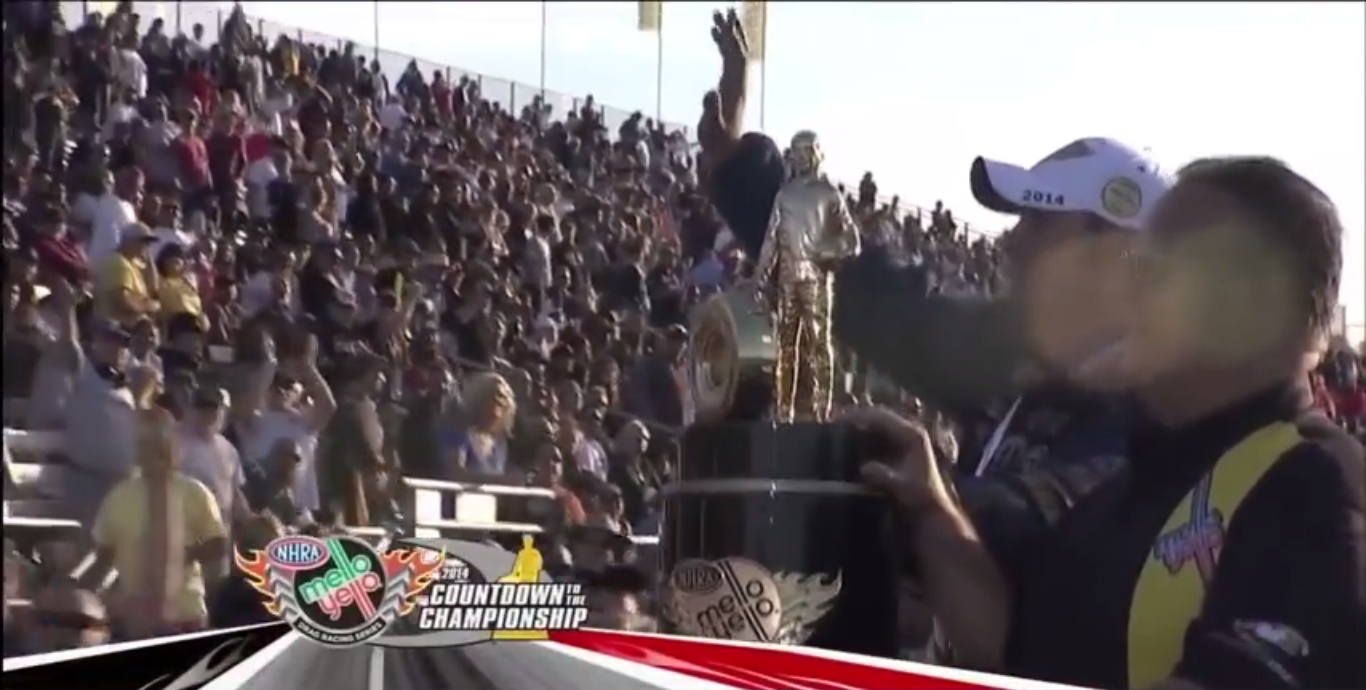
The Infinite Hero Foundation-A Great Cause, and a Great Driver!

beckman-1By David G. Firestone

Editor’s Note: I will be traveling to Tucson, Arizona this week, and I’m getting ready to fly for the first time in 11 years as you read this. I will have the Friday Feature and Throwback Thursday items next week, but no tracker or grades. In the meantime, here is my Friday Feature for the week.

I wrote about the Infinite Hero Challenge Coin program last year, and I’m going to revisit it. I’ve learned some more information about Infinite Hero Coins, that I didn’t have before, so I’m going to add this new info, for the sake of completeness.

Infinite Hero quickly realized that Oakley was a great partner, and began working with them to come up with some unique merchandise as a part of the partnership. The Infinite Hero Foundation was founded in 2011, and quickly acquired a partnership with Oakley. This resulted in a series of merchandise items sold by Oakley, with proceeds going to help the Foundation.

I’m not into sunglasses myself, but many people are, and Oakley has a lot of fanboys. So, once these glasses began to hit shelves, they sold quickly. This is a review from 4 years ago, of one such pair.

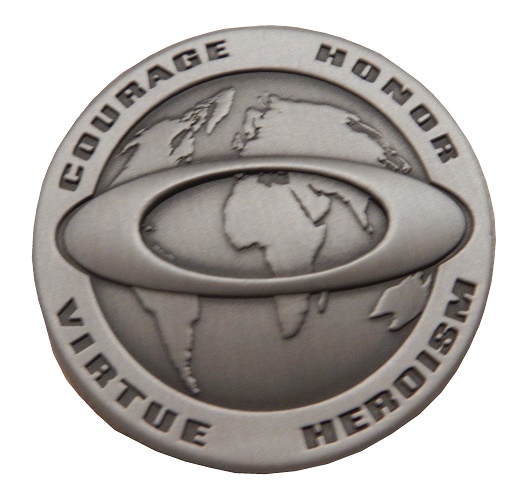
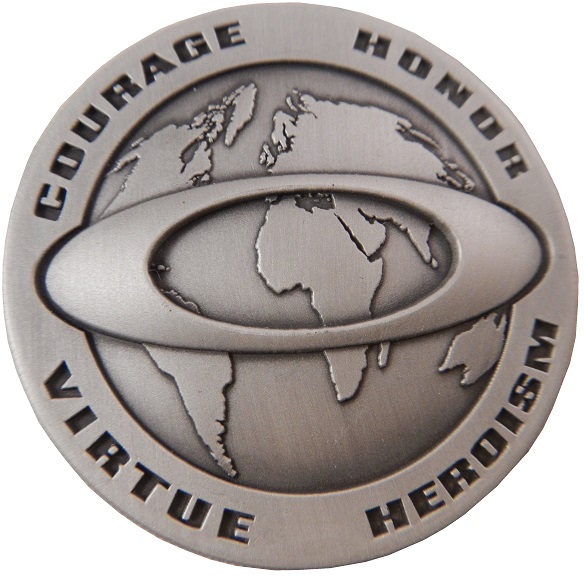
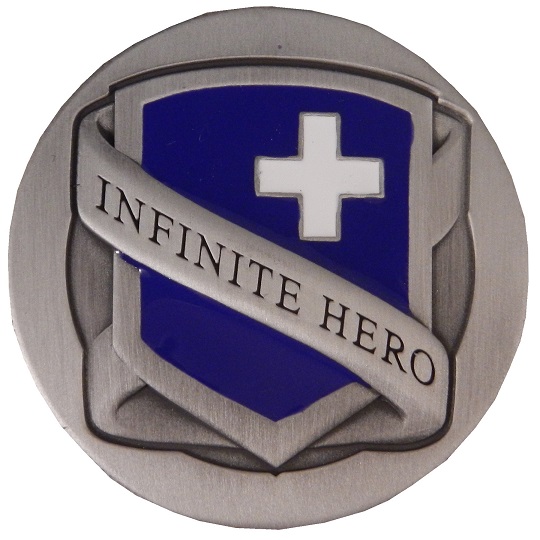
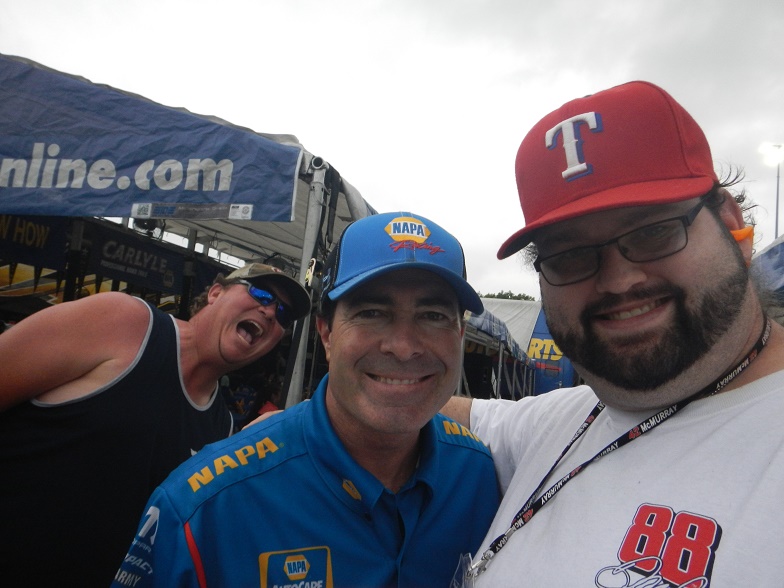
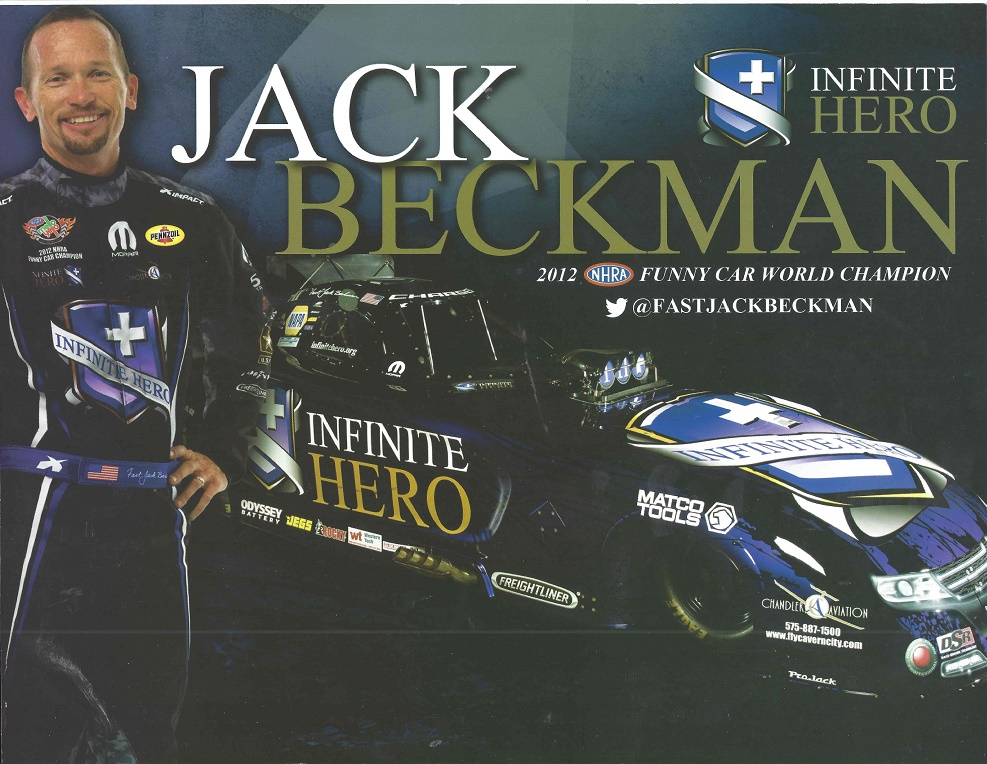
Notice the coin in the box? Of course you did. Aside from glasses and boots, Oakley realized that the coin would sell too. So sometime, I’m guessing 2012-2013, this coin was sold.ihc-2013-1It is quite thick, and has a ridged edge. One side featured “Courage, Honor, Virtue, Heroism,” around a globe design with an Oakley logo. Oakley is a partner with the Infinite Hero Foundation. The other side features an Infinite hero Foundation logo. The coin was placed in a round, flat plastic container, with black foam braces. The coin lacks the blue enamel that the coin that comes with the glasses coin, and future coins, and has a very plain look. I do like the plain look.ihc-2013-1 ihc-2013-2 ihc-2013-3 ihc-2013-4In April 2014, they started appearing on the side of Jack Beckman’s funny car.  Terry Chandler, who also sponsors Tommy Johnson Jr.’s Make a Wish Foundation Funny Car, is the financial backer of the car.  She pays for Infinite Hero to race on the sides of the car.  This also began the NHRA coin program. This is a new form of racing memorabilia I have never seen before, though it’s a great idea. When Jack Beckman gets into his funny car to race, he carries at least 5 Infinite Hero Challenge Coins in the pocket of his driver suit. Once the race is over, he will autograph them and sell them at the track and on eBay. They cost $100 with all proceeds going to the Infinite Hero Foundation.

The idea of items carried in a pocket is not a new one. NASA has done this for years. Many space shuttle flights carried first day covers in the storage bay. When the shuttle landed, the covers were removed, and sold to collectors. I’m a little surprised this hasn’t been done before with auto racing, because I think that it would create a new memorabilia market.

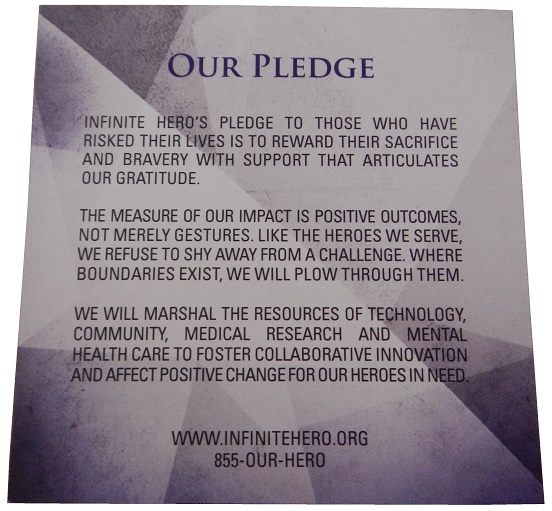
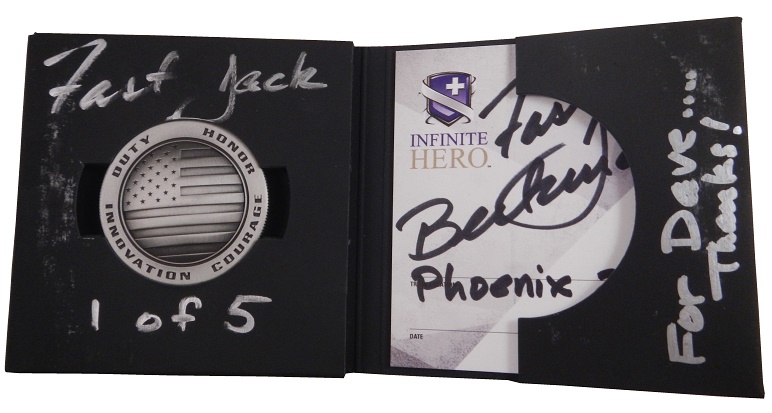
The 2014 design that Jack used was identical to the one sold in stores, but the Infinite Hero Foundation logo has a purple enamel present. Jack autographed the plastic case.ihc-2014-1 ihc-2014-3 ihc-2014-2 ihc-2014-4A redesigned coin of the same size was introduced for 2015. The Oakley logos are gone. One side features a design similar to the globe design, but the globe design has been replaced with an American Flag design. “Courage, Honor, Virtue, Heroism” has been replaced with “Duty, Honor, Innovation, Courage.” The new emblem on the reverse side has one of the across bands removed. The new packaging is an upgrade, with the circular plastic cylinder replaced with an attractive box. It comes with a card that Jack Beckman autographed, and on the reverse it has the Infinite Hero Foundation Pledge. The first one is from The CARQUEST Auto Parts NHRA Nationals at Phoenix on February 22, 2015, where Jack was eliminated in the first round. ihc-2015-2 ihc-2015-3 ihc-2015-4 ihc-2015-5 ihc-2015-6 ihc-2015-7The second one is from the Summit Racing Equipment NHRA Nationals in Norwalk, Ohio, where Beckman won the event, beating Courtney Force in the final round.ihc-2015-2-1 ihc-2015-2-7 ihc-2015-2-6 ihc-2015-2-5 ihc-2015-2-4 ihc-2015-2-3 ihc-2015-2-2The Infinite Hero Foundation is a worthwhile charity, designed to help our nations veterans. I fully support them, and I encourage my readers to try and buy at least one of these coins. Jack Beckman is a great spokesman for the Infinite Hero Foundation. I reached out to him for an interview about his racing uniforms, and he happily obliged…
DGF-Could you explain, from a driver’s perspective, how you want your suit to fit?

JB-It really depends on the kind of vehicle you are driving. Top Fuel dragsters you are more sitting on the ground, funny cars you are sitting more upright. Sponsors want their logos front and center, so we have to work around that. I also don’t like my suit to be too baggy, because when they put the seven point harness on, it will fold over.

DGF-You wear an SFI 20 rated suit, how many layers of Nomex does your suit have?

JB-Well, the SFI rating is only based on how long the suit will protect the wearer. In testing, a 20 rated suit will protect the wearer for up to, I think, 40 seconds, and that is based on how long it takes the mannequin in the testing facility to sense the fire. Older generations of suit would need 12 layers to do what the new materials could to in 6 or 7 layers. If there were an amazingly durable material, you could have it in one or two layers.

DGF-When a suit is burned so that the Nomex is discolored, do you feel anything?

JB-The discoloration is from the dye in the suit, but not really. The big screens and the slow motion video are astounding though. We as drivers experience it in the moment, but watching it on the big screen, you see so many more things than you never would notice otherwise. When the body gets lifted during the explosion, the firewall that’s to shield the fire coming back from the engine is no longer there. Then you can feel it get warm. But the materials today and the construction of the suit, they’re just light years better than one and two generations ago, to the point that I don’t ever want to say that there’s a “routine fire” but you could have one that looks pretty darn impressive on the big screen, and get out of the car 100% unscathed.

DGF-My next question, it’s a hypothetical one, but it is one I think I need to ask, For most of your career, you have worn Impact driver suits. If you were to switch manufacturers, let’s say to Simpson, would you be able to notice the difference?

JB-Hmm…interesting question. If they are using different materials, maybe. The older style Impact suits, when I first started running funny car in 2006, were much stiffer, it was a different material, it was bulkier, more constrictive. I believe, along manufacturers lines, you might still have a choice of material there. The construction methods are all very similar, and sizing, it’s an individual thing. You can check a box on your order form that says “small” “medium” or “large,” or you can send them custom measurements and they’ll build it to that. So I don’t think you would notice with the newest light weight material for manufacturer to manufacturer. That said, you’d have to stick me in a room with a blind fold, and have me try on every men’s suit so I could give you an answer with some authority.

DGF-Along those same lines, would you have any concerns going into the switch?

JB-Well they all have to meet the same criteria. Here’s the thing, the NHRA rule book mandates a minimum amount of protection. When they tell you, if you drive a fuel funny car, you need a 3.2-20 suit, which includes a certain spec of gloves and over-boot worn on top of your driver shoes. They don’t tell you that you have to wear thermal underwear underneath. Up until 4 years ago, they didn’t tell you that you needed to wear a head sock under your helmet. You don’t have to wear inner-liner gloves under your fire gloves. I wear all that stuff. So it’s up to the driver if they want more protection than the minimum.

The fire suit manufacturers have to prove that their equipment satisfies a certain spec. There is no spec higher for drag racing that the 20. But it’s possible that some of the suit manufacturers make them to a higher level spec. I’ve been in some pretty big fires, and have walked away, I singed my eyebrow once, when the concussion blew my visor up on the helmet. Aside from that, I have had zero injuries, which gives me a lot of confidence in the equipment I wear. I feel that I have tested several times, and it’s passed with flying colors every time. Now the other manufacturers have to meet that same spec.

DGF-Do you, over the course of an event, wear the same suit for every run, or do you switch them out occasionally?

-Typically at the beginning of the year, we will have two suits constructed, just in case one gets in a fire, and gets disfigured. I had a sleeve changed out, and it wasn’t a safety issue, it had melted some of the sponsor logos. Typically, I won’t switch suits until we get to The Countdown, because the funny car suits tend to get run down, and dirty from the continual clutch dust, run after run. I just want a fresh looking suit for the photo shoot, once I get to The Countdown. Then I’ll save the suit I wore for the first 18 races as a backup suit. I will wear the same suit the whole weekend long. The only thing I rotate out over the course of a weekend are the thermal underwear and the head sock because once I get out of the car, they’re sweaty, and I’ll hang them up to dry, and put fresh ones on for the next run, and keep rotating them.

DGF-When you are getting into your uniform prior to a run, start to finish, how long does it take to get everything on?

JB-It’s no longer…getting suited up is really no longer than getting street clothes on. I’ve got thermal underwear, top and bottom, so that would be like putting on underwear and a t-shirt. I’ve got my driving shoes…I’m sorry, I put on my firesuit, driving shoes, my over-boots-so it’s almost like a pair of slip-om rain galoshes over your tennis shoes. The thing that’s a little more time consuming is once your getting ready to get into the car, is getting the head sock on, getting that tucked down into the collar of the jacket, my helmet on, and strapped. I wear glasses, so I put those on. Inner gloves have to go on, outer gloves have to go on. I’ve got to walk over to the car, duck down underneath, get in, and then, the 7-way harnesses, as well as the fact that I’m wearing a head and neck protection device, they make it really tight, once you are in the cockpit, and the crew guys are working in some pretty constrictive spaces. The body’s still on the car, so they’re ducking under that. You’ve got this bulky firesuit, so you’re taking up most of the cockpit. They’re getting these straps laid out on you, they gotta plug the radio in, plug the air hose into the helmet, get all the straps buckled in, then get you tightened, so that can take a good amount of time, but I’ll tell you, you get in a pretty good rhythm with this thing.

I typically get suited up and walk over to the car five pairs from when we run. If we were pinched for time, we could do it with two pairs to go. But I don’t like to do that for a couple of reasons. The first one is that you just hate to feel rushed, but I’m okay with that, psychologically it doesn’t affect me. I don’t like doing that to the crew guys because typically, once they’ve got me strapped into the car, they’ve got a couple other tasks that they need to do as we’re towing up to the starting line. I don’t want to rush them, and have them feel any extra anxiety about the things they need to get done.

DGF-Alright, you mentioned gloves, shoes, and over-boots, how long do those items typically last over the course of a season?

JB-I’ll typically put my firesuit on with my driving shoes, and my boots on in the tow vehicle, I’ll walk up to the starting line, inspect things, walk back to the tow rig, so I’ll put a couple of miles a year on my driving shoes. The only thing that wears them out, as you can imagine, is the sole if you walk enough steps. Other than that, you can get a full season out of them. The over-boots, it really depends. If you have a fire, since they’re typically near the source of the fire, I would replace them after that. They get pretty beat up with the clutch dust on them, and blowing them out run after run, so I’ll typically use two pairs of them over the course of a season. Same thing with the gloves. Putting them on and off is what eventually wears them out. I like wearing the tight gloves which means the crew guy is rolling them up, stretching them over my hand, pulling them back down over the cuff of the firesuit, and that takes its toll on them. We’ll make 170 runs over the course of a year, so after 100 runs, it’s usually time to replace those.

DGF-I’d like to talk about your helmet visor for a second, because I’ve noticed that there are a lot of drivers who black out part of their visors to create tunnel vision, so they can only focus on their lane. Are you one of those drivers?

JB-The Clydesdale Effect? Like blinding the horses so they don’t get spooked? No, I’ve tried that in the past, and I’m a big proponent of doing anything that you think will make you perform better. If you think a red glove will make you drive better than a blue glove, it will. It’s psychological more than it’s mechanical. There is definitely a value in removing distractions, when you get up to the starting line. But to do that, you’d better have three visors prepared. Let’s say you wear a clear visor, and the helmet rolls out of the tow vehicle in the staging lane, and the visor gets scratched. You’d better have another clear visor, with the blinders in place. Because if you swap it out for one without them, that’s gonna screw you up, probably, right? You did it for psychological purposes, and now somethings change. Ponoma is a track where we really face, Sonoma it happens too, but Ponoma is probably the worst, we get very high glare conditions, and you have to go to a dark visor. So you’d better have a dark visor prepared for that, and a clear one ready to go in case the clouds come in. So I’m fine with that. I feel like whatever a driver needs to do to keep them in a mental zone, where their performance is at a top level. That’s not to say in two years, I might decide that that works better for me. I’ve tried yellow visors, clear visors, light tint, dark tint, glasses, no glasses, and the reality is that I’m pretty much the same without them. But I do the one that I feel like, removes the most distractions, and therefore, puts me at a higher level of focus.

DGF-Alright Jack, this is my last question. I’m a memorabilia guy, and do you keep uniforms, or other items from special moments in your career that have special meaning to you?

JB-Yeah, it’s funny you ask that, because my wife is so clean and organized, and not sentimental. And I don’t get to keep anything. I get some bitchin’ souvenirs from fans, and I bring them home and say “where do you think that’s gonna go?” So I’ve got a little pile of stuff there. Yes, I do keep all my helmets. I’ve only ever sold…I’m sorry, let me rephrase that, I’ve only ever…not kept…two of my helmets. One of those I gave to my good friend Ronnie Swearingen, and last I checked, it was on display, with the rest of his helmet collection at the Garlitts museum. The other one was I had a duplicate helmet painted because a gentleman really, really, REALLY liked the design, and I told him “I’m not getting rid of helmets.” He paid to have a duplicate made, and I wore it for one race. Firesuits, Schumacher gets them back at the end of the year, and puts them on eBay. But if we do multiple suits, usually I can keep one of them.

DGF-Alright Jack, thank you very much, it was an interesting interview.

JB-You know it’s interesting, I’ve done thousands of interviews, which typically means, when I do an interview not much is unique. Yours was a completely unique interview.

The Real Currency of Auto Racing

haganpiston-1By David G. Firestone

I’ve discussed the currency of commerce over the last couple of weeks. This week, I’m going to discuss the currency of auto racing. That currency is speed. Every race car driver wants speed out of their car. The more speed they have, the better chance they have to win the race. Every part of the car is designed specifically to produce as much speed as possible, within the letter of the law…or as close as possible to the letter of the law.

Speeds reach new levels in the NHRA Mello Yello Drag Racing Series. 10,000 horsepower, nitromethane fueled cars can reach speeds well over 330 MPH in just under 4 seconds. To be the fastest in this sport, you have to have the right parts, the right crew chief, the right driver, and the right equipment. When these four come together in a run, it’s something beautiful.
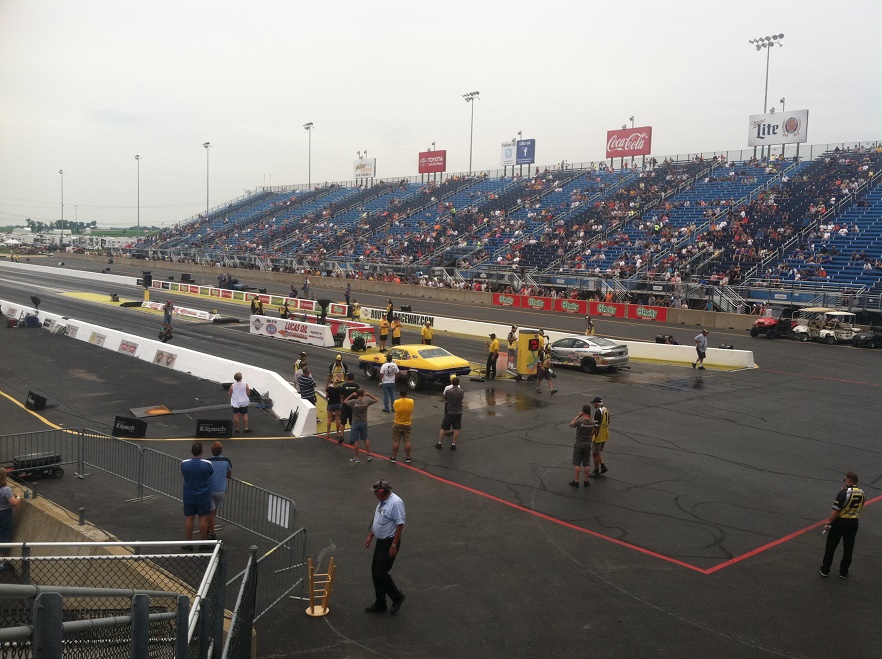
Brainerd International Raceway in Brainerd, Minnesota isn’t known as a place where records get broken. In 2015, it seemed as though there might not be an event there at all, as severe weather damaged many of the facilities on July 12. The racing community rallied around, and got the track ready for their race on the weekend of August 20-23.

The weather was really cold for August, and when the Lucas Oil NHRA Nationals kicked off, the four pieces that make up the currency of racing came together, and led to some monumental runs. The first was a qualifying run which saw Driver Suit Blog favorite Fast Jack Beckman run 1000 feet in 3.901 seconds in his funny car during qualifying, then backing it up with a 3.903 the next day. In top fuel, Antron Brown ran a 3.68, and the backed it up with a 3.696. Shawn Langdon ran a 3.662, but failed to back it up, thus not setting the official record, and getting the 20 bonus championship points it brings.

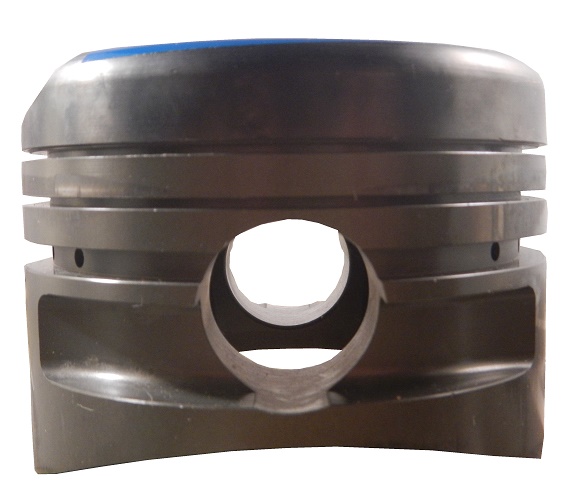
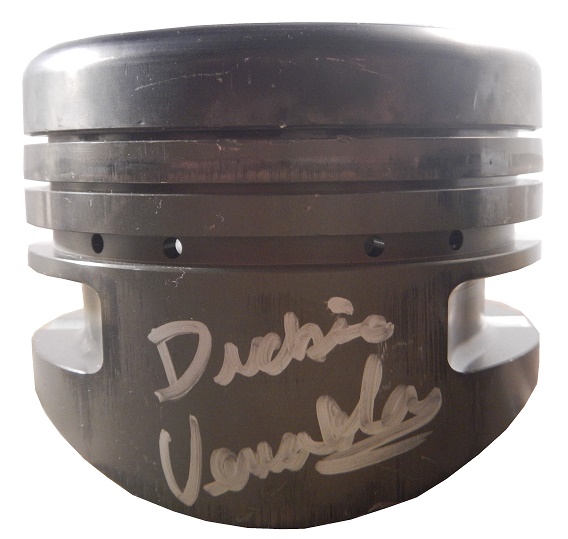
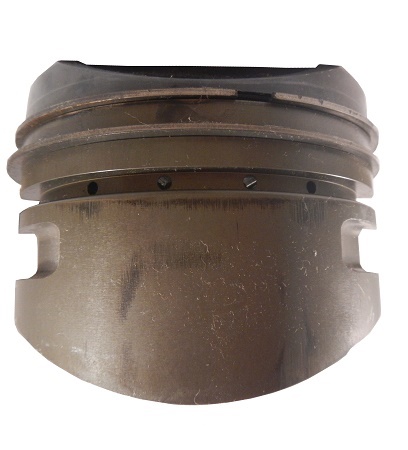
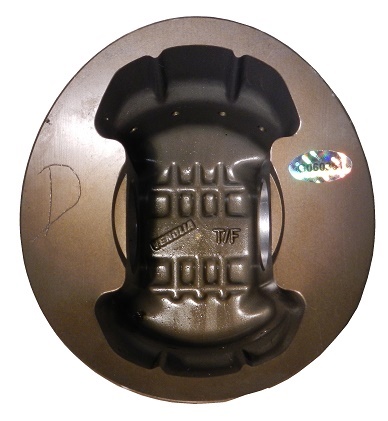
The big highlight for funny car at Brainerd was Del Worsham vs. Matt Hagan in an elimination round. During that run, Hagan ran a blistering 3.879 second elapsed time. This piston head came from Hagan’s car during that historic run.haganpiston-1The head itself is in decent condition, having some scrapes and scuffs. It also has some stuff etched into it. The number 75 is etched into both the top and bottom of the piston. Hagan and crew chief Dickie Venables have signed the side of the piston, and a Mopar logo and 3.879 have been added to the top.haganpiston-2 haganpiston-5 haganpiston-4 haganpiston-3 haganpiston-6Speed may be the currency of racing, but safety is another primary focus. Next week, the pit crew aspect of safety will be discussed. Until then, here are the record setting runs from Brainerd…

Savagery and Speed At Its Finest

bernstein-piston1 - CopyBy David G. Firestone

Drag racing is one of the most intense forms of drag racing. Two cars with 10,000 horsepower engines line up at a starting line, move into position, and then blast off, going from 0 to 300 miles per hour in just under 4 seconds. After each run, the engine is dismantled, most of the moving parts are replaced, and the engine is rebuilt, and tested before the next run.

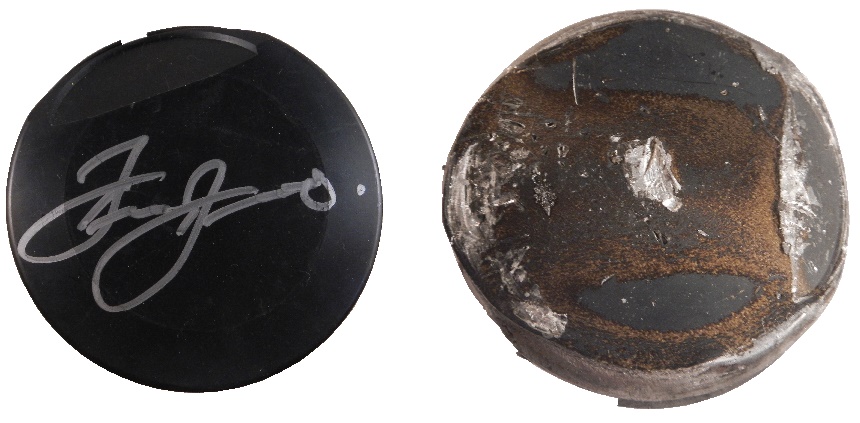
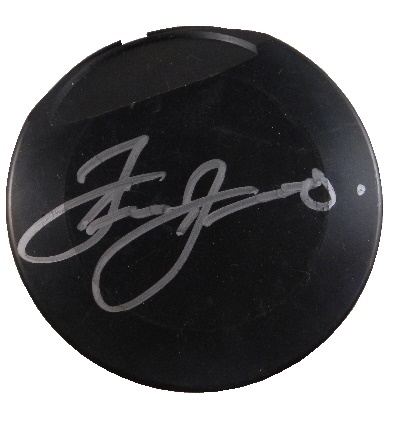
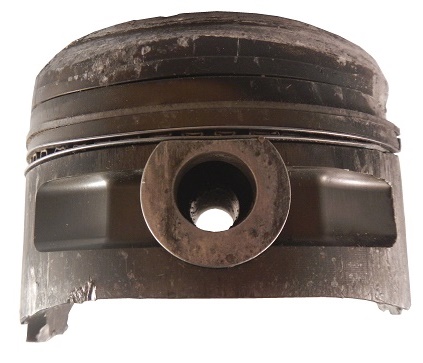
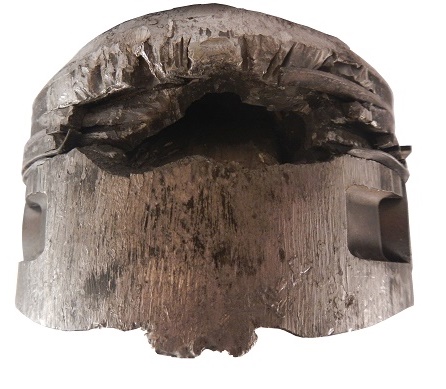
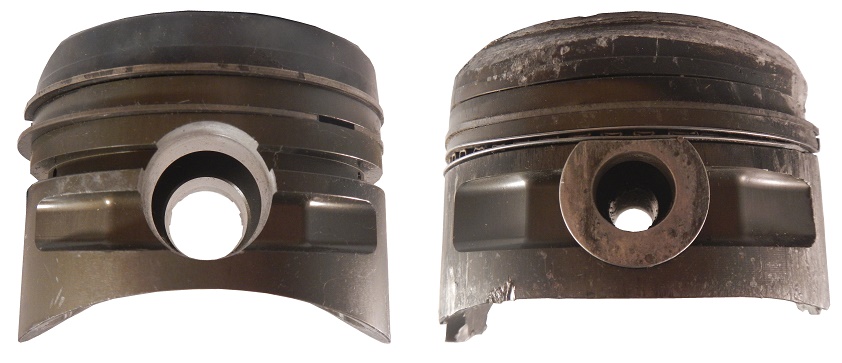
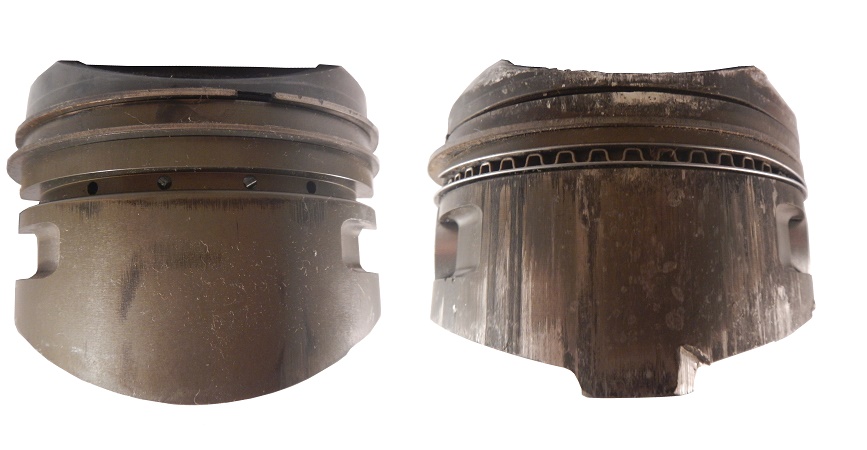
When the race is on, a thousand things can go wrong with the car, especially the engine. One of the most common pieces of equipment to go wrong is with pistons. Top fuel and funny car pistons generate 1,250 horsepower each. If they aren’t aligned right, aren’t lubricated enough, or something is wrong, that can cost the driver a win or even a championship. This example is a piston head used and autographed by Brandon Bernstein.bernstein-piston1 - Copy (2)It was only used for one run, but shows some light use, and is in good condition.bernstein-piston3 - Copy (2) bernstein-piston4 - Copy (2) bernstein-piston5 - Copy (2) bernstein-piston6 - Copy (2) bernstein-piston2 - Copy (2)Now let’s look at an interesting Del Worsham piston from 2002.bernstein-piston1The story behind this piston is interesting. At the 2002 Checker Schuck’s Kragen Nationals at Firebird International Raceway, Del Worsham beat John Force in the final. Worsham temporarily denied Force his 100th event win. This mangled piston wrecked the engine block during that run. The piston chewed the block and itself up during that final run. Part of the piston arm is still wedged inside the piston, and one side is almost completely gone.bernstein-piston1 bernstein-piston3 bernstein-piston4 bernstein-piston5 bernstein-piston6 bernstein-piston2 - CopyNow let’s take a side-by-side look at a piston that worked well, and a piston that destroyed the engine.bernstein-piston1 - Copy bernstein-piston3 - Copy bernstein-piston4 - Copy bernstein-piston5 - Copy bernstein-piston6 - Copy bernstein-piston2 - CopySavagery and speed are one in the same. This kind of wear happens a lot on NHRA cars, and we will look at some more parts next week.

A Great Pair Of Boots Never Goes Out Of Style

pedregonboots-1By David G. Firestone

The NHRA Mello Yello Drag Racing Series is renowed for their diversity in drivers. Such is the diversity that African-American, Hispanic-American, Middle Eastern, Asian, Jewish and Women have all had success in the top levels of the NHRA. When it comes to Hispanic drivers, one immediately thinks of Cruz and Tony Pedregon.

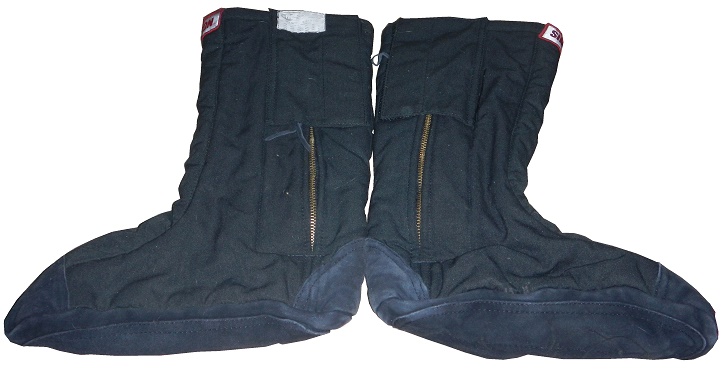
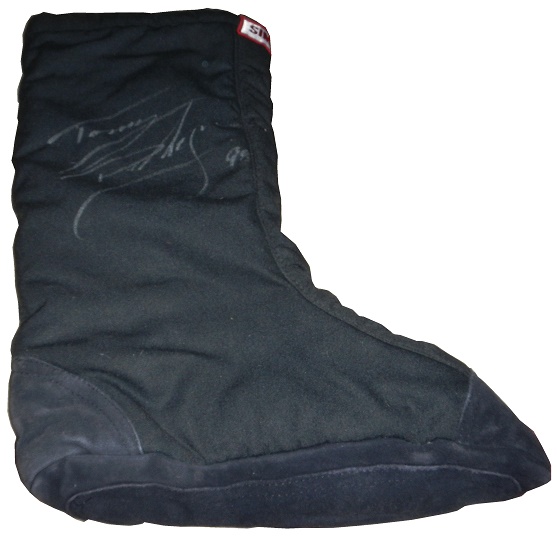
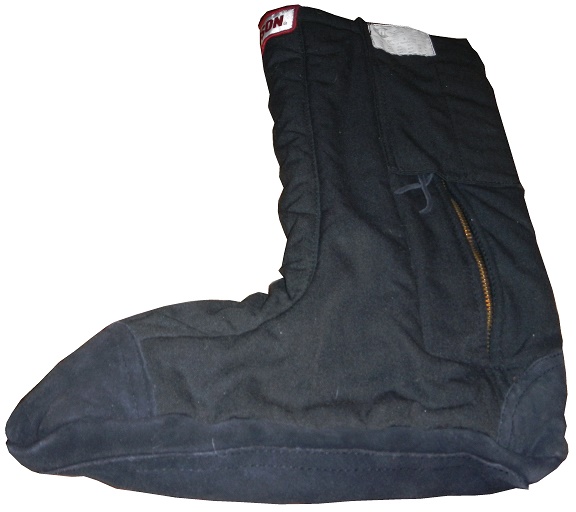
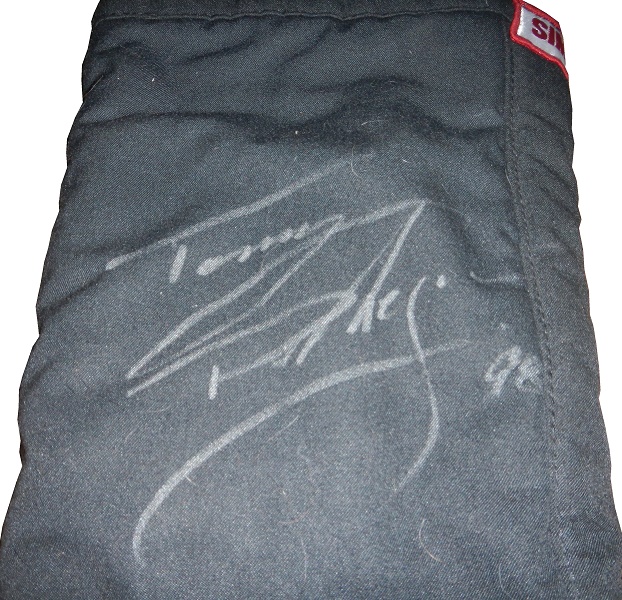
Cruz started in Top Fuel in 1991, and moved to Funny Car in 1992, winning the Championship, being the only driver to beat John Force for a championship in the 1990’s. Tony followed suit in 1993, but didn’t win his first Championship until 2003. They both ran the full schedule in 1998, Tony won 2 events, one at Texas, the other at Denver. During that season, he wore these Simpson Holeshot drag boots.pedregonboots-1These boots are unlike most racing shoes because they are designed to cover both the shoe, and the end of the leg of the driver suit. Why would funny car drivers wear such boots? Well, to answer that, let’s look at the design of the inside of a funny car. This is a Ron Capps diecast, but it shows how the car is set up.capps-15 The driver sits almost on top of the rear axle, with the 10,000 horsepower engine, and nitromethane fuel tank directly in front. Should there be an engine explosion, which isn’t uncommon, the fire would blow back into the driver. There are firewalls in place, but those can’t always be counted on to protect the driver from the full effects of fire in the time it takes to get a funny car stops. That’s where these boots come in. They will give that little extra bit of help to the driver in exiting the car.pedregonboots-1 pedregonboots-2 pedregonboots-3 pedregonboots-5 pedregonboots-7 pedregonboots-9

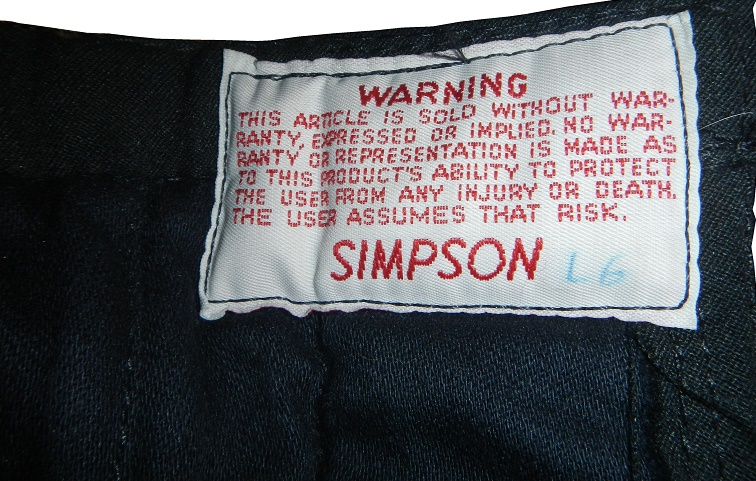
They are rated 15, not bad for 1998 standards, but would have a 20 rating in 2015. Both boots have been signed by Pedregon and he added the inscription “’98.” pedregonboots-4 pedregonboots-8Both have Simpson warranty tags, and the right boot has an SFI tag 3/3 tag. pedregonboots-6 pedregonboots-11 pedregonboots-10To understand the degree of protection drag racing requires from driver uniforms, you need to understand the rating. NASCAR suits, both driver and pit crew have an SFI rating of 5, which means that they will protect the wearer from 2nd degree burns for 10 seconds. NHRA top fuel, funny car, top alcohol dragster, and top alcohol funny car have ratings of 20, which means that the suit will protect the wearer from 2nd degree burns for 40 seconds.

It’s amazing the risk that drag racers take. It’s also amazing the amount of damage a mistake in the engine can cause, and we will examine that much closer next week.

My Thoughts On The Biggest Change to The NHRA in 2016.

By David G. Firestone

There are two big changes coming to the NHRA in 2016. The first change is the engine and wheelie bar changes to Pro Stock cars, but I’ll get to that at a later date. The other change hasn’t been discussed at all, and I see nothing but good things with this. After this season, The NHRA will leave ESPN and move to Fox Sports with their television contract. The president of the NHRA called it a “game changer.” and I agree.

To anyone who sees this as a bad thing, let me make this clear…ESPN HATES auto racing. When NASCAR was with ESPN, they were always the second fiddle. ESPN would move coverage to ESPN Classic, or ESPN news if another live sporting event took precedent over NASCAR. With the current television deals with Fox and NBC, this isn’t an option. Races are covered flag to flag, with no interruptions. Why is this important? Well let’s look at the 2014 Bank Of America 500 at Charlotte. This was a Chase Race, the second round of the Contender round, and the first 25 laps were sent to ESPN News because a Baylor/TCU football game ran long. This sent many fans into rage mode, and rightfully so. With the Fox Sports/NBC Sports setup, this won’t happen.

NASCAR’s fans and sponsors are sick of ESPN’s bullshit and the first chance they had to bail, they took. The sad thing is that unlike TNT, ESPN had a great crew they were working with. I hated the nonsense in moving the race because of another game, but at least the broadcast team was made up of a group of good reporters and broadcasters. NASCAR justifiably felt that their brand was being shit upon by ESPN, plain and simple. NASCAR won’t say that, but that is what they are thinking.

ESPN even proved my point about the NHRA for me with Sunday Night’s telecast. The start of the taped telecast was delayed by 57 minutes because a Little League game ran long. Are you kidding me? You are going to delay the start of a nationally sanctioned racing event that draws hundreds of thousands of viewers, and 20,000 fans to the track for a bunch of kids playing baseball? I guarantee you that there were more fans in hospitality tents at Seattle’s race than there were in attendance at the Little League game.

ESPN has proved to the racing community that they do not care at all about auto racing sanctioning bodies, sponsors or fans. In turn, ESPN is now losing contracts, some of which they have had for decades because better deals and better coverage is now a real factor. I’m not going to miss having to sit through Little League, Crossfit, or Baseball Tonight waiting for the NHRA to start, and I don’t think any of you will either.

Getting My Kicks At The Lucas Oil NHRA Route 66 Nationals!

gainesticketBy David G. Firestone

Every year, I take a month-long vacation in the summer, which coincides with the NHRA Lucas Oil Route 66 Nationals. I love drag racing, and the Route 66 Nationals is the NHRA’s stop on the Mello Yello Drag Racing Series tour. I go with friends from work, and every year, we have a great time.

Mother Nature was not in the kindest of moods on Saturday. Friday Night Qualifying went off without a hitch. I did get to watch the Jeg’s All-Stars race their elimination races. 2015-7-11-NHRA-1 2015-7-11-NHRA-5 2015-7-11-NHRA-4 2015-7-11-NHRA-3 2015-7-11-NHRA-2After the Jeg’s All Stars on Saturday, it began to rain. The rain continued to fall for several hours, during which time, I wandered around the pits. I got to meet Driver Suit Blog favorites Tony Schumacher 2015-7-11-NHRA-schumacherand Ron Capps. 2015-7-11-NHRA-cappsEvery year, I get the chance to ask Tony Schumacher a question, and the video below is of how that went.

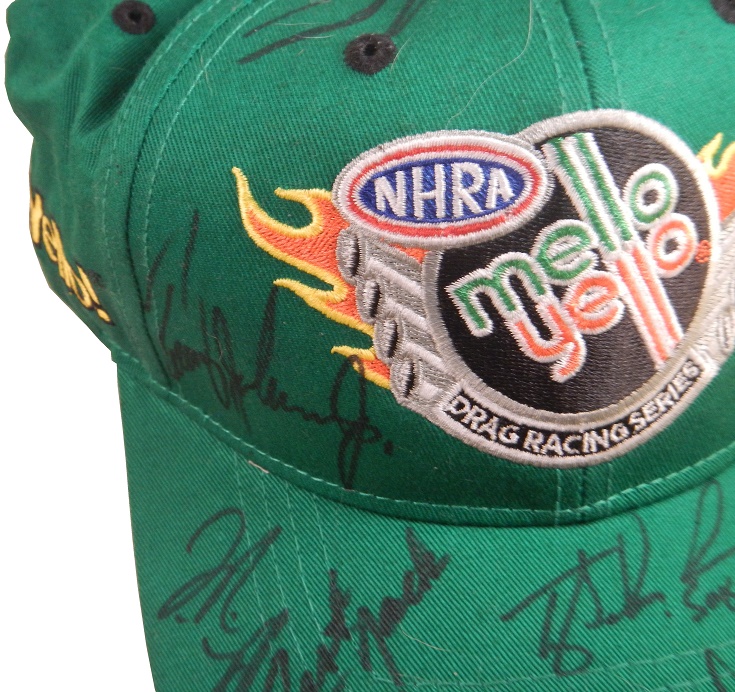
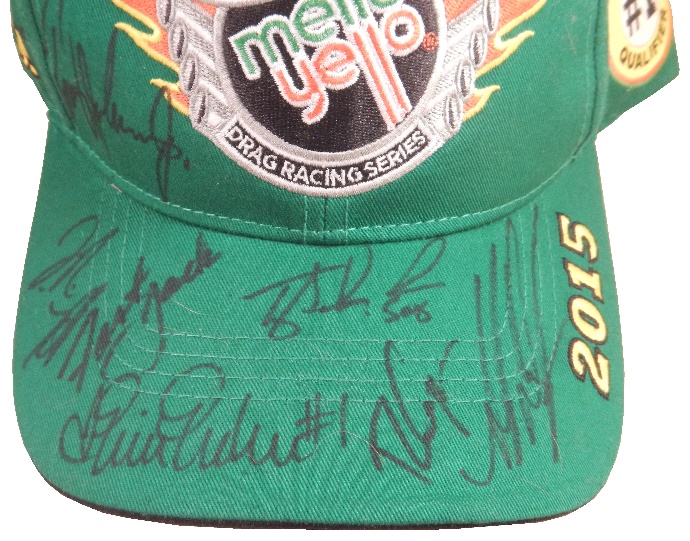
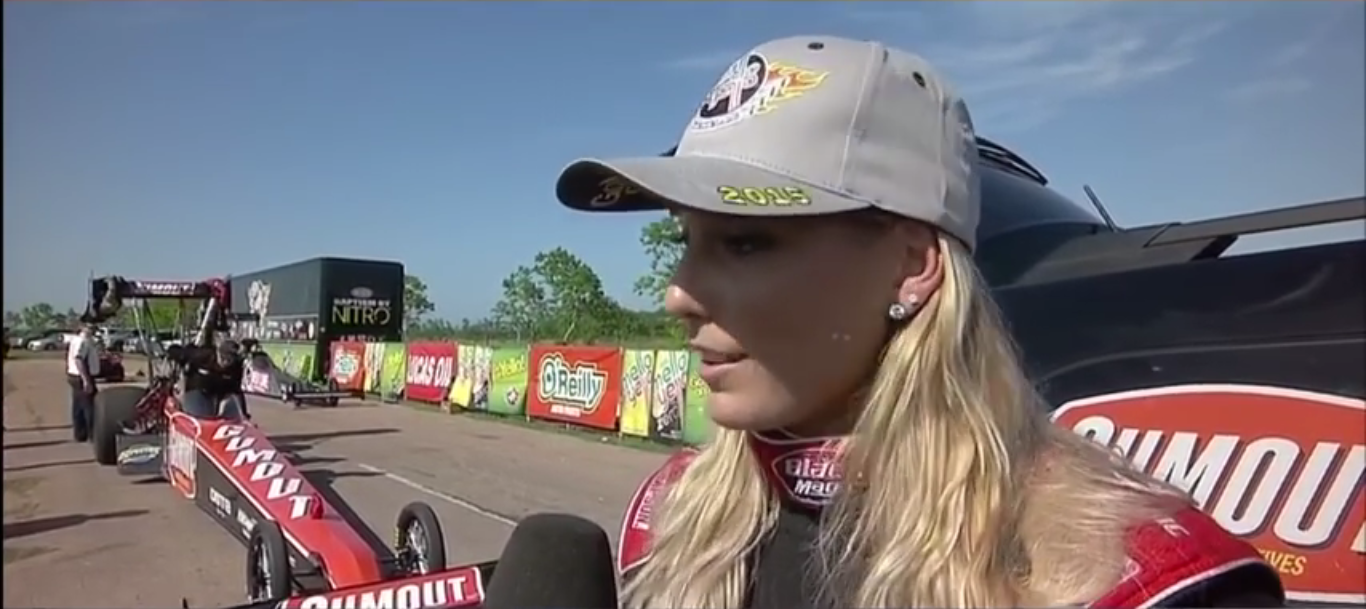
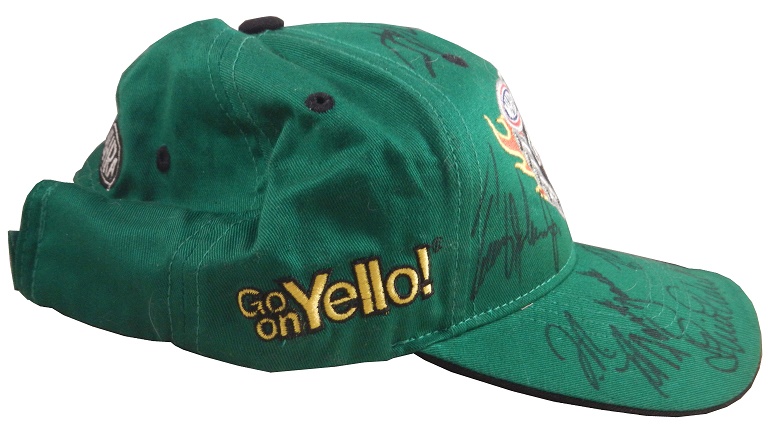
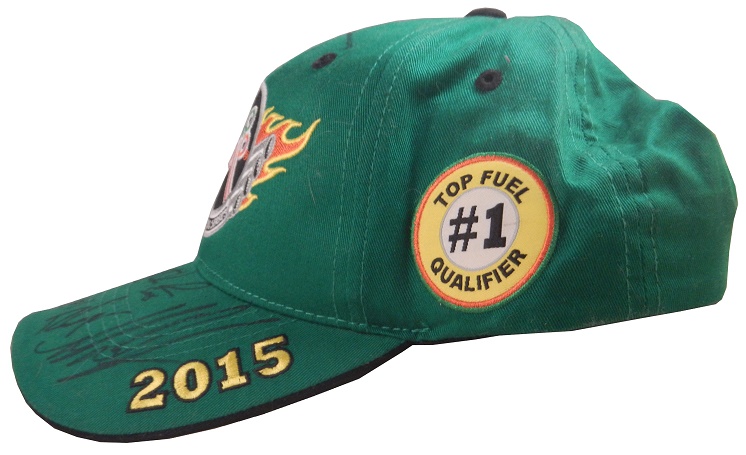
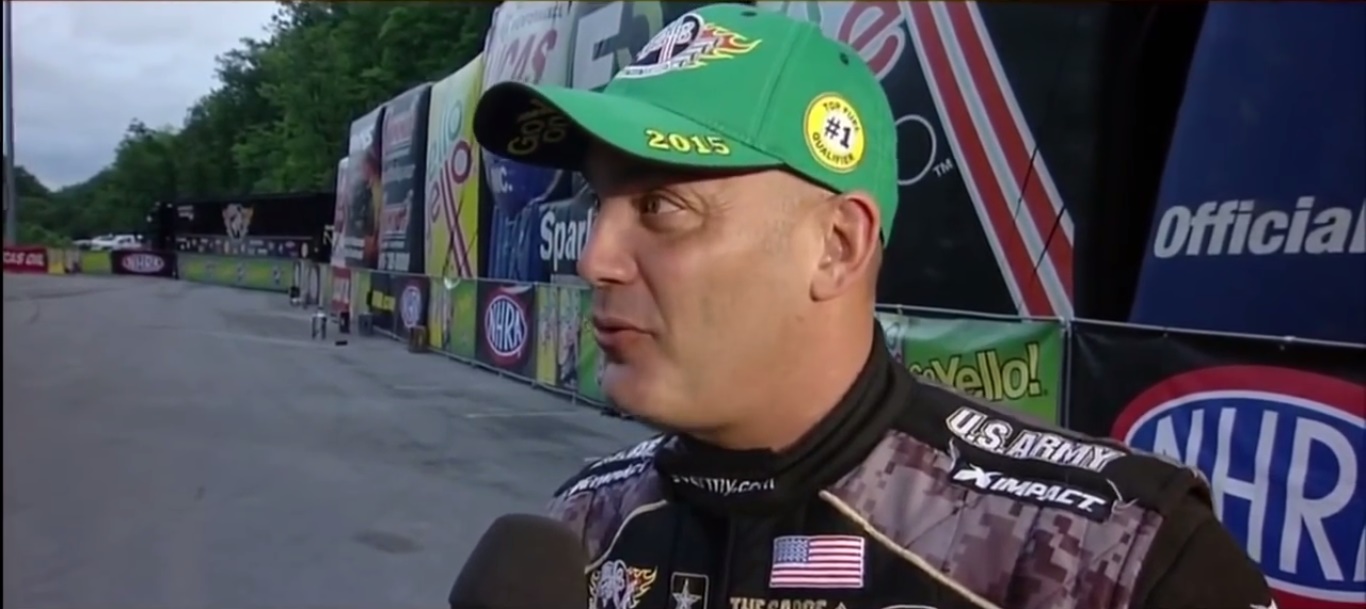
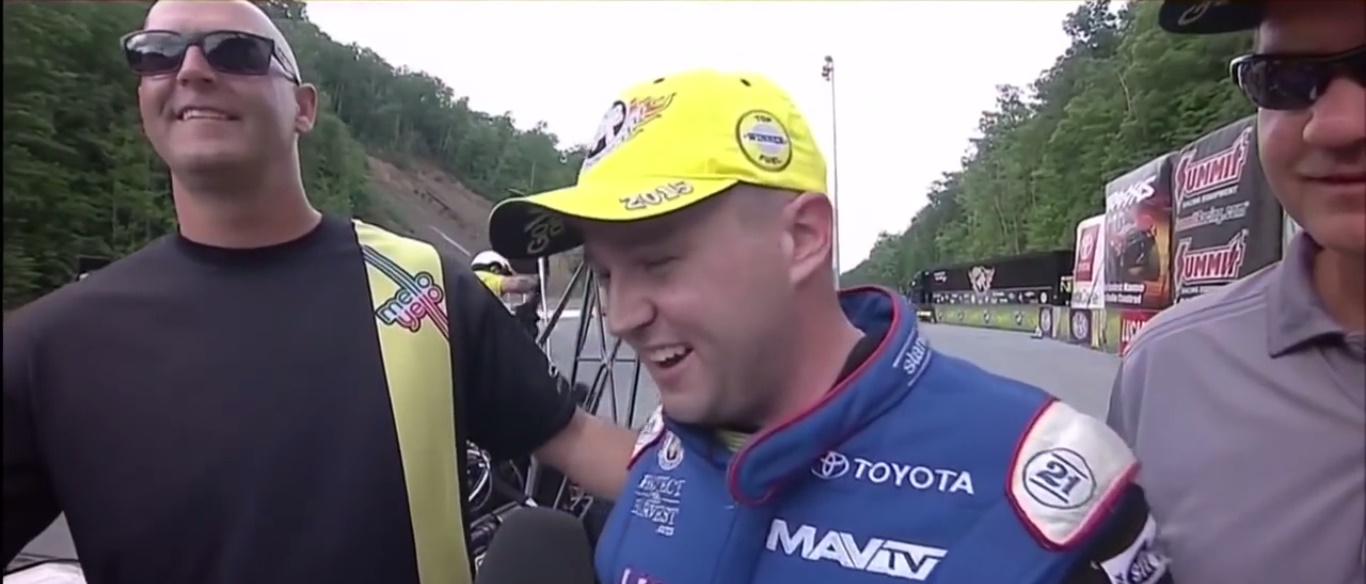
I got a #1 qualifier interview cap from The Thunder Valley Nationals on eBay, and I got it signed by Schumacher, Capps, Tommy Johnson Jr., Fast Jack Beckman, Erica Enders-Stevens, JR Todd, Alexis DeJoria, and John Force.nhrahat-1 nhrahat-4 nhrahat-3 nhrahat-2 The story behind these interview hats is interesting. Mello Yello gives these hats out to drivers at events, and there are a series of different colors. For qualifying and round winners who don’t wear a sponsor hat after getting out of a car for an interview, they are given either a gray, nhrahat-greyorange, nhrahat-orangeor black hat. nhrahat-blackThey are all of the same design. For the driver who qualifies #1, they are given a green hat, with a #1 Qualifier patch with their respective class. nhrahat-1 nhrahat-5 nhrahat-6 nhrahat-7 nhrahat-8nhrahat-greenThe drivers who win the event get a yellow cap, with a winner patch to wear, similar in design to the #1 qualifier hat. nhrahat-yellowThe drivers who win the championship get a white hat. nhrahat-whiteDrivers wear these hats during interviews, except for John Force who prefers to wear his own hat for an interview after he qualifies #1 or wins.

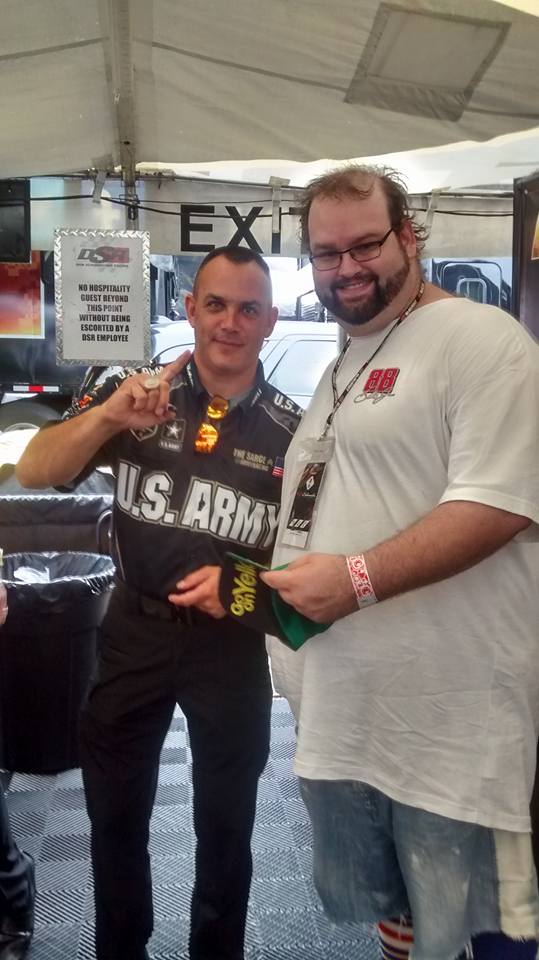
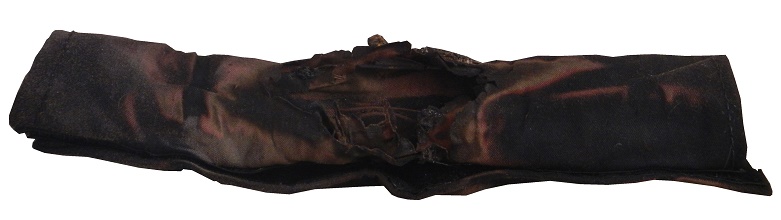
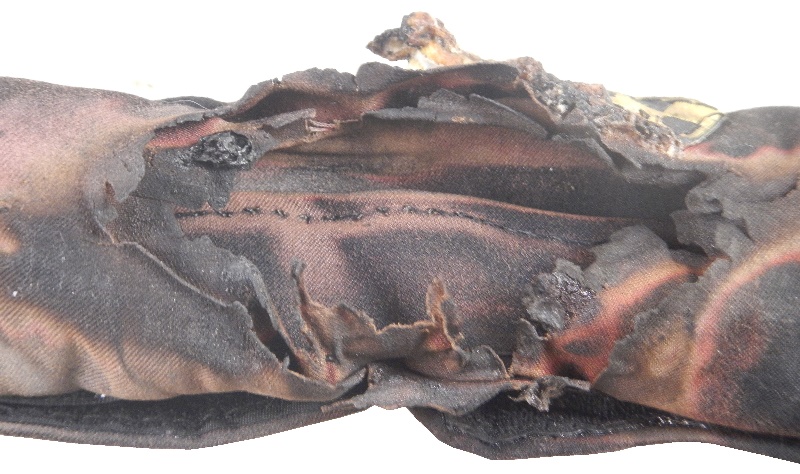
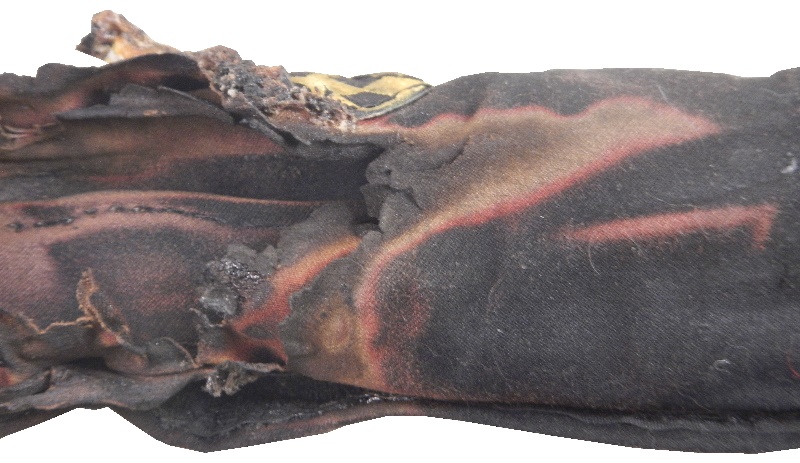
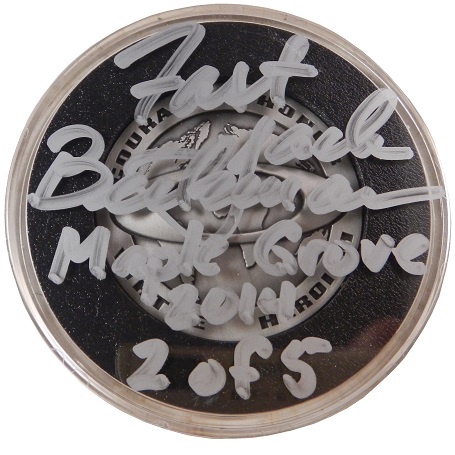
Jack Beckman personalized my Infinite Hero Challenge Coin, and gave me a very heart felt thank you. ihc-2015-3 ihc-2015-4I also got one of Cruz Pedregon’s valve springs from his engine, pedregonspring-1 pedregonspring-2and a burnt hose cover. hosecover-2This is a perfect example of why Nomex is the go-to material for driver suits. This Nomex hose cover went through a serious fire, and was burnt. Nomex isn’t fireproof, it’s fire retardant, which means it will burn, but much slower than most fabrics. It will burn, but will protect whatever it is covering from fire damage for a brief time. The easy way to see if the material has been compromised is if the fabric is discolored. Notice the areas of light on the black fabric, that means that area of the fabric has been compromised. hosecover-1 hosecover-2 hosecover-3 hosecover-4 hosecover-5Driver suits, when burned, will show the same discoloration. Should the driver wear the suit, and suffer a similar fire, the suit won’t protect them, and serious burns can and will occur. It may seem like a waste, but countless drivers are alive and well today because of this property of Nomex.

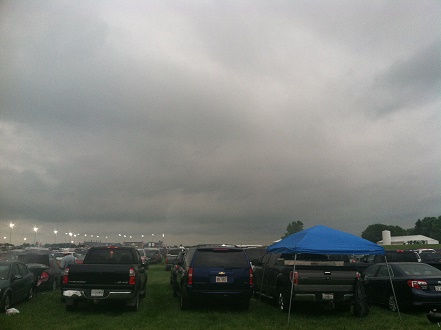
After the rain subsided, and the track was dried, I got to watch round 3 of qualifying, which was supposed to happen at 1 pm, but took place at about 4 pm. It had a lot of good rounds, including TJ Zizzo’s explosion. We decided to go home after round 3, and as we were leaving, we saw the storm clouds were beckoning. 2015-7-11-NHRA-weatherRound 4, which started after we left was canceled due to another rainstorm.

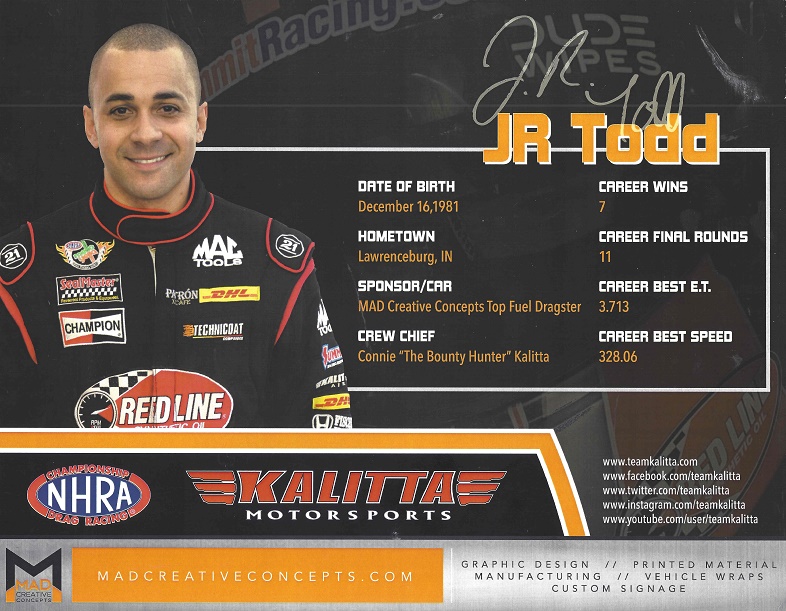
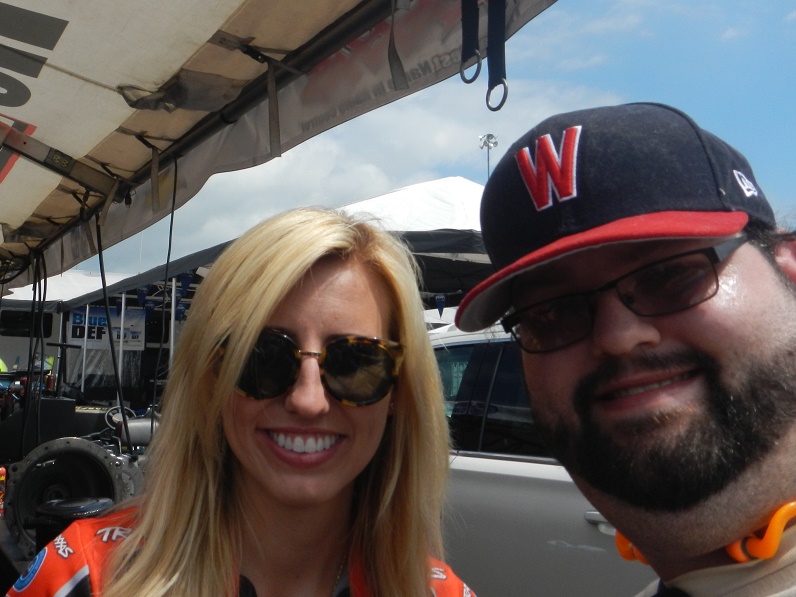
Sunday’s weather was much better. After the first two rounds, I wandered around the pits getting hero cards, and autographs. I got pictures with, and autographs from, Driver Suit Blog favorite Vieri “V” Gaines, 2015-7-12-NHRA-gaines gainesticketJR Todd, todd1 todd2Courtney Force, 2015-7-12-NHRA-courtneyforceand John Force.2015-7-12-NHRA-johnforce force1 force2 I filmed one of Antron Brown’s engine tests,

filmed some slow motion video,
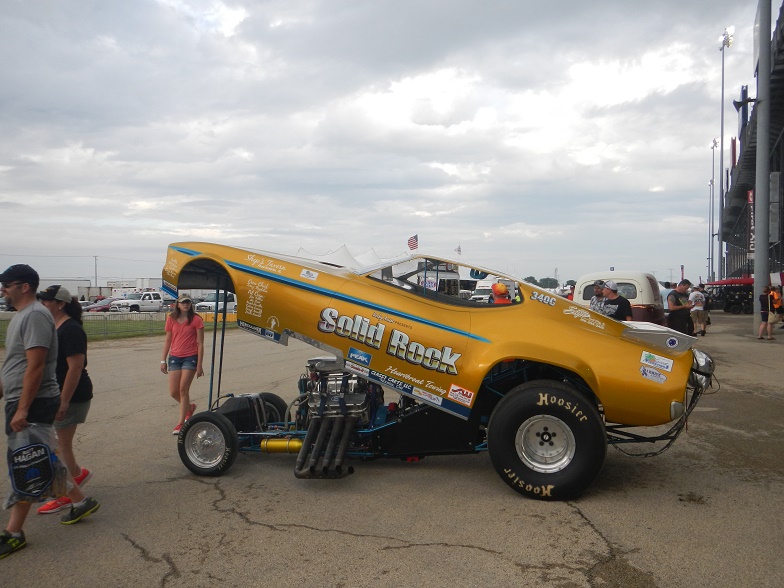
and got to see Solid Rock, a 1971 Ford Mustang funny car.2015-7-11-NHRA-solidrock1 2015-7-11-NHRA-solidrock2 2015-7-11-NHRA-solidrock3In the end, Tony Schumacher, Tommy Johnson Jr, Allen Johnson, and Hector Arana Jr. won their classes, I got a sunburn, and had a great time, and I can’t wait to go back next year.

Racing Innovators and Their Eureka Moments Part 2-Don Garlitts.

garlitts-1By David G. Firestone

Last week, I discussed the eureka moment that lead to the new parachute design that led to the creation of Simpson Race Products. This week, I will discuss the eureka moment that helped the purchaser of the first Simpson parachute, Don Garlitts, design the current dragster design.

Don Garlitts was born in Tampa Florida in 1932. He built his first car in 1954, and instantly took to the sport. Since many of the drivers were from California, and Garlitts was from Florida, he was given several nicknames, before accepting the nickname “Swamp Rat” after the giant swamp rat, or Myocastor coypus. He adapted the Swamp Rat name for each generation of dragster he designed and built. This was not a time of multimillion dollar teams, with special development programs. This was literally a group of guy building dragsters in rented shops.

The eureka moment for Garlitts came at the 1970 AHRA Grand American Nationals. That day, he was racing Swamp Rat XIII, known as the Wynnscharger. This was a front engine rail dragster. The transmission exploded, severed the car in half, and took off part of Garlitts’ foot. Again, while you are recovering from an accident like that, you have a lot of time to think, and as Garlitts thought, he realized that he could design a safer dragster, one with the engine behind the driver. In the 1970’s, this was unheard of. Garlitts designed Swamp Rat XIV in the hospital and started racing it in 1971. Publicly, it was mocked at first, until it began to win, and prove the design effective. Since then, this has become the standard design.

One incarnation that Garlitts worked with before he settled on Swamp Rat XIV was Swamp Rat VIII. Swamp Rat VIII was built in 1964. Swamp Rat VIII was designed to use the Dodge 426 Elephant Hemi engine. The 426 was a lot harder to tune than the old 392, so Garlitts did not have a good year, though once he figured it out, it was an impressive car. The 426 Hemi was such a good design, it is still the car used by the NHRA to this day, in Top Fuel and Funny Car. Garlitts cut the car in half, and used the front half to make Swamp Rat X. In 2005, Garlitts rebuilt the car, and in 2006, took it to a few vintage races.

This is a set of spark plugs pulled from that recreated car. The set of 8 plugs comes in a Styrofoam case, which has been autographed by Garlitts. garlitts-1 garlitts-2 garlitts-3Each plug shows some wear, some more than others. garlitts-4 garlitts-10 garlitts-9 garlitts-8 garlitts-7 garlitts-6 garlitts-5I often look at it, sitting on my coffee table, and think about the legend, the greatest innovator in drag racing history picking up these plugs, one by one, putting them into the rebuilt engine, taking the car to the track, and firing it up. He takes the car for a pass, and then adjusts the engine, with the care and detail of a Swiss watchmaker crafting a timepiece. Once these plugs have finished their lifespan, they weren’t just thrown away, but kept, and sold to a collector, who sold them to me. It really is holding a piece of history in your hands.

Next Friday, we will take a closer look at Spark Plugs as memorabilia items.

Racing Innovators and Their Eureka Moments Part 1, Bill Simpson

KODAK Digital Video CameraBy David G. Firestone

Everyone has a moment that shapes the rest of our lives for the better. For me, it was joining the TV crew in my sophomore year of high school. For some people, it might seem like the worst point in their lives. Sometimes you have to hit bottom to rise to the top. It might be horrible in the short term, but great in the long run.

Bill Simpson is one of those people. His moment came in 1958. He was drag racing at age 18, and broke both his arms in a crash. When you have both arms in a crash, it gives you time to think. Simpson began to think about a design for a parachute. He came up with a cross design for a parachute, and designed the cross parachute. He tested it on a public road, and was arrested for the stunt. The chute proved effective, and when “Big Daddy” Don Garlitts called, and that’s how Simpson Performance Products was founded.

This is the design that led to the first Nomex racing suit being invented in 1964.  After this design proved effective, Simpson was brought on to NASA as a parachute consultant.  It was there he met Pete Conrad, Apollo astronaut, third man to walk on the moon, and Skylab visitor.  Conrad was also an avid race car driver, and knew of Simpson’s devotion to racing safety, so he introduced Simpson to Nomex, a fire retardent Kevlar material.  Simpson began developing racing suits with the material, and it quickly became the standard material for driver suits, which it still is, 41 years later.

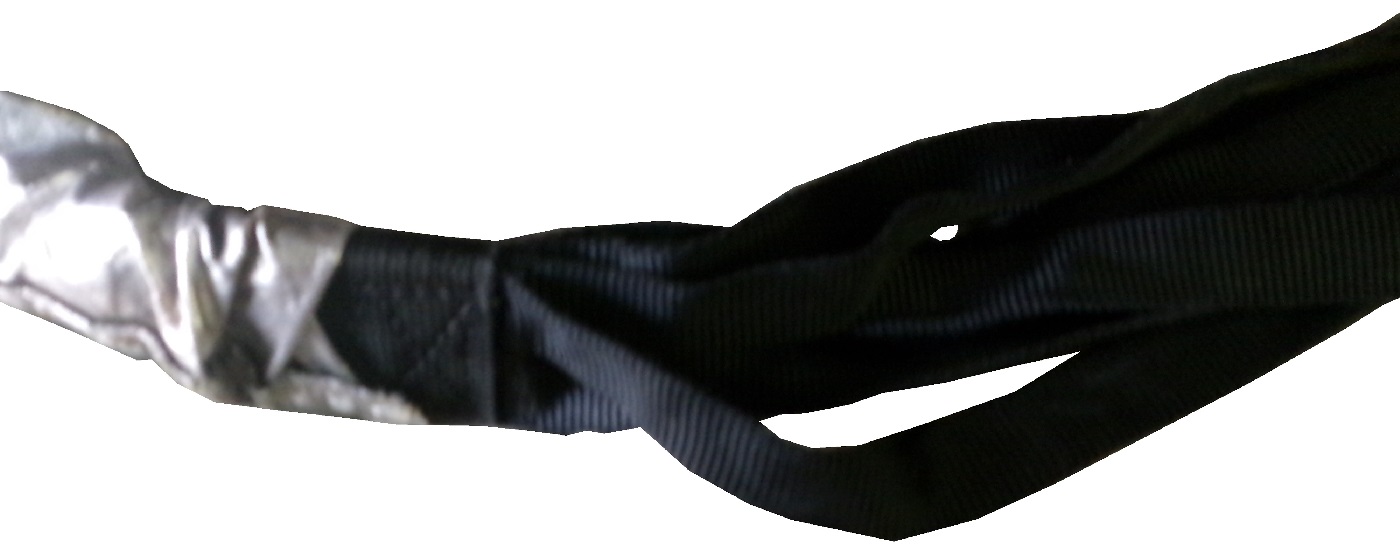
The X design of drag chute is still in use today. It is so effective, that while there were some minor design changes, including size changes, the basic design hasn’t changed. This is an example used by TJ Zizzo from 2010 to 2013. KODAK Digital Video Camera KODAK Digital Video CameraZizzo ran two of these chutes on the back of his dragster, and this example is 12 feet by 12 feet. It shows a decent amount of wear, with stains and holes.zizzochute5There is a hole in the center that allows the chute to be deployed, and there is an inventory tag placed here as well. zizzochute3 zizzochute4 On the cables connecting the chute to the car, there is some extra protection. This is necessary because on top fuel dragsters, the engine is very close to the parachute attachment, and in the event of a fire, the chute will still be able to function. TJ’s example shows some wear on the silver layer. KODAK Digital Video Camera KODAK Digital Video Camera KODAK Digital Video CameraHere is video of the chute in use.

One thing that a lot of non drag racing fans don’t realize is that many drivers pack their own chutes. Race car drivers are control freaks, and so this makes sense. The logic a few drivers use is that if I mess it up, I don’t have anyone to blame for it except myself. Here is a video of Jack Beckman packing his chute,

and pro stock driver Rickie Jones explaining how he packs his own chute.

Drag racing chutes are amazing pieces of equipment, and I’m always amazed how it takes only a few people to change the sport as a whole. Next Week, I will continue this discussion with something even more awe inspiring.

The 2015 Circle K NHRA Winternationals Return!

By David G. Firestone

Editor’s note: I’m on vacation this week, so this is just a quick post, but it is an important one.

The crisp air hangs low, as the sun slowly rises. The employees scurry about their busy affairs, some cooking, some repairing, some preparing. The fans take their seat, as they await the sound that has eluded them since late November. The National Anthem is sung, the flyover happens, and then that sound echos throughout the land in an unmistakable signal. That sound is two 10,000 horsepower engines, the location is Auto Club Raceway at Pomona, the event that fans have waited so long to see is The NHRA Winternationals.

It seems like just yesterday that I was so bummed that the end of the drag racing had just happened, but here we are! Tony Schumacher, Matt Hagan, Erica Enders-Stevens, and Andrew Hines look to defend their titles. John Force Racing looks to stage a comeback after some 2014 woes had some impact on their overall performance. With new sponsors and a new manufacturer, John Force has high hopes. I also wish Don Schumacher the best of wishes, as it was recently revealed he is dealing with cancer.

The Winternationals history dates back to 1952, when a group of young drag racers, the “Choppers of Pomona” were able to convince LA county to allow a parking lot to be used as a drag strip, to avoid racing on the street and traffic fatalities. The strip itself was not ready until 1953, but that April, the first NHRA event took place, and with 15,000 attendees, it was a success. In 1961, the NHRA season was changed so that the first NHRA event took place at the place where it all began.

The first race of the season is always interesting, as while there is testing and practice over the winter, the first event of the year is the first chance the teams actually compete against each other. Obviously there is some rust, not with the cars, but with the teams. I haven’t heard any significant changes to rules this season, so that will help things.

This is one of a number of events where Pro Stock Motorcycle won’t be racing, so I’ll miss them, But Top Fuel, Funny Car, and Pro Stock will run. While I will be on a train from Tuscon to Chicago, the DVR will be working, and I can’t wait!

Looking at the whole season, I’m looking forward to it. One thing I have to wonder about dates back to what happened with V Gaines at zMAX Dragway in Charlotte in September, at the Pep Boys NHRA Carolina Nationals. The track was impassable, and the event had to be canceled. This is not the first time track issues have plagued events at zMAX, it happened in 2013. Is the track ready for racing? That is the $1,000,000 question. I would hope changes of some kind have been made. I know the fans were disappointed, and the drivers were upset. We can only wait and see.

Tunnel Vision…A Good Thing?

zizzovisor-1By David G. Firestone

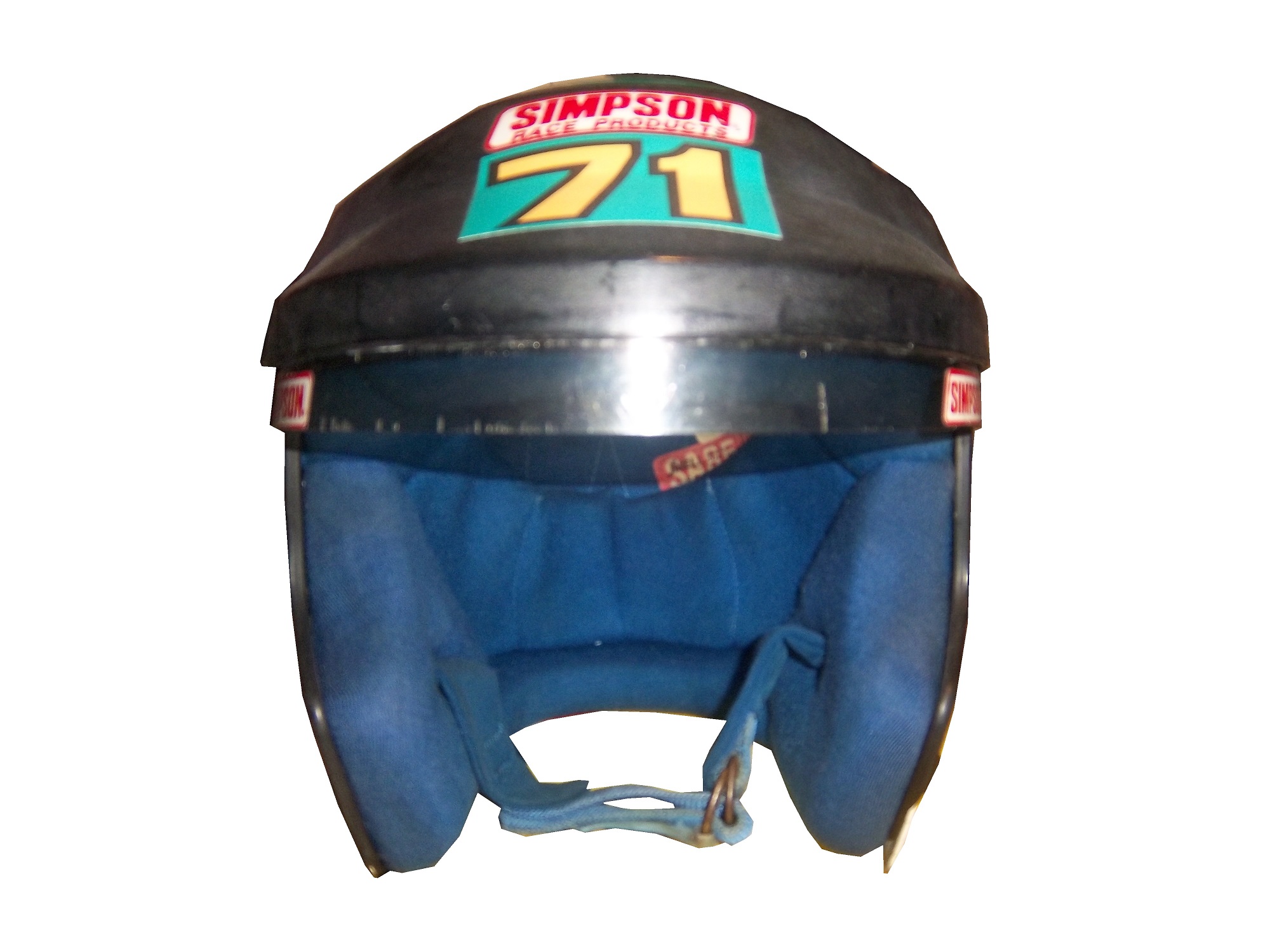
lepage94-2This is a helmet worn by Kevin LePage in 1994. This style of open-faced helmet was worn by drivers for many years in NASCAR, and it was allowed because NASCAR did not want to restrict the vision of the drivers. They felt that if this helmet kept drivers from losing situational awareness and help prevent tunnel vision on some level it would keep them from getting into dangerous wrecks. Why would a driver wear a visor to help create tunnel vision? Let me explain the whole story…

So this last Sunday, I had the day off, no motorsports on TV. I had purchased a racing slick from Zizzo Racing. TJ Zizzo is the driver, he’s based in Lincolnshire Illinois, I’m based in Evanston, and my friend Matt and I went down to pick up the slick. TJ was kind enough to show me around the shop, as they prepare the car for The Toyota Nationals at Las Vegas. TJ was awesome, and I had a great time.

One of the things that I got was a visor. I’ve been wanting to get an NHRA visor from some time, and I got one that had the modification I’ve been seeing, as seen below.zizzovisor-1 zizzovisor-2 zizzovisor-3 zizzovisor-4 zizzovisor-5I asked TJ why he had this modification, and he said that he wants to focus on the task at hand. He said that drag racing drivers can notice things, birds, scoreboards, women in the crowd, etc in the car in the moments leading up to the race, and this modification helps the driver by giving him tunnel vision. Tunnel vision is seen by the majority of people as a bad thing, but in something like drag racing, where intense focus for a brief period of time is a mandate, tunnel vision is a good thing. Top fuel dragsters have 10,000 horsepower and can go from 0 to 325 mph in less than 3 seconds.When you are behind the wheel of a car with that much power, you need to focus on the race as much as possible.  TJ wears this style of visor because, the less he can see out of the helmet, the more he can focus on the race.TJ even said that this visor is much less covered than his current version, which looks something like this…zizzovisor-1 - CopyThis version is not uncommon in this day in age, both Al-Anabi drivers Khalid alBalooshi  and Shawn Langdon wear visors similar to this design.

I didn’t bring my camera with me, I wish I had, because I got to see the remnants of his engine from his blow up in Indianapolis. As I have a tendency to do, I’ll let the footage speak for itself…

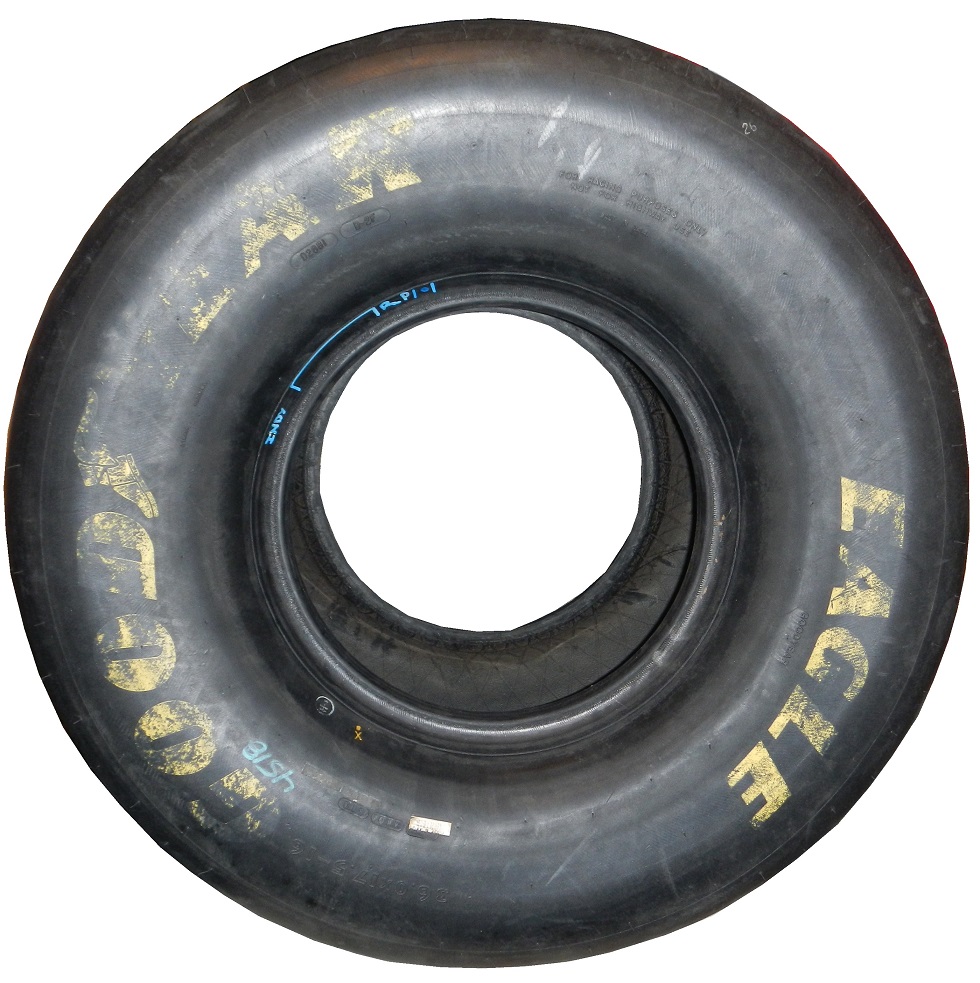
He still has the blower drive seen flying in the video. I was amazed how heavy it was. He has one shelf in his new shop that has the pieces of the engine, and the damage suffered, from a fan’s stand point. The manifold that blew was made of solid magnesium and was heavy duty. The crankshaft in question was not only broken, but was slightly bent near the break. I wound up getting one of the rear tires from that race.zizzortire-1 zizzortire-3

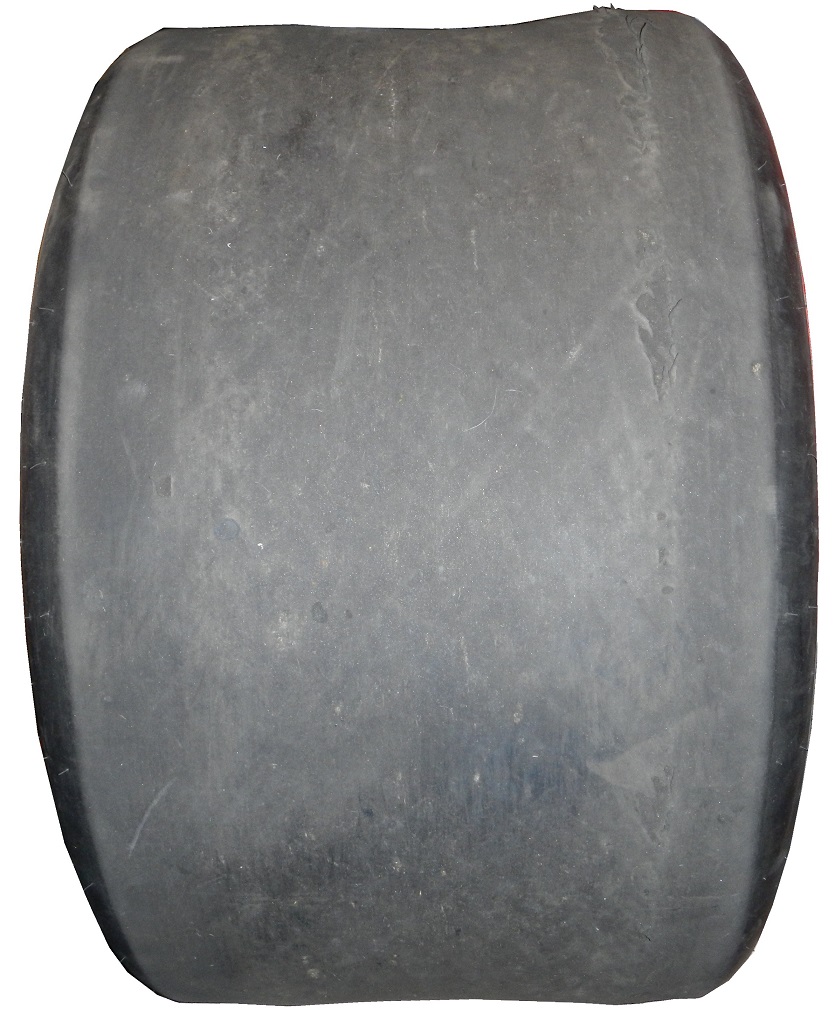
Rear tires from top fuel dragsters are 3 feet tall by 17 inches wide. I’m planning on getting a glass to and making a coffee table at some point. The level of wear on the tires is amazing, with large patches of damage from the explosion.zizzortire-4 zizzortire-5 zizzortire-6 zizzortire-7

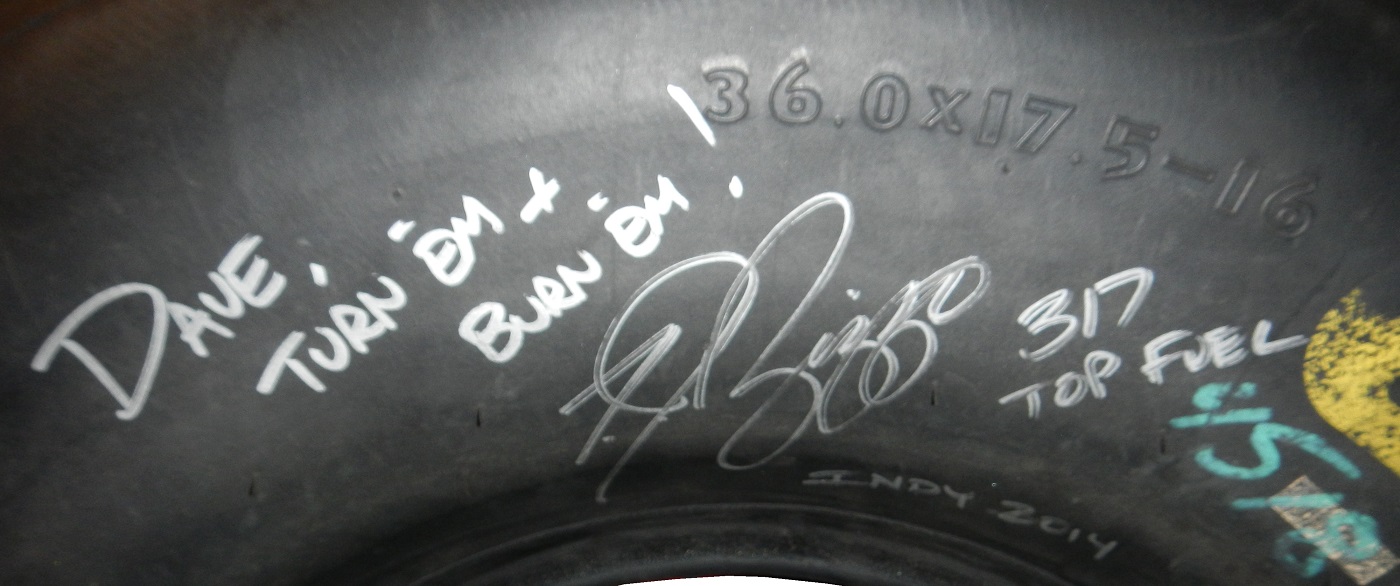
zizzortire-10 zizzortire-11TJ also signed it and personalized it to me!zizzortire-2

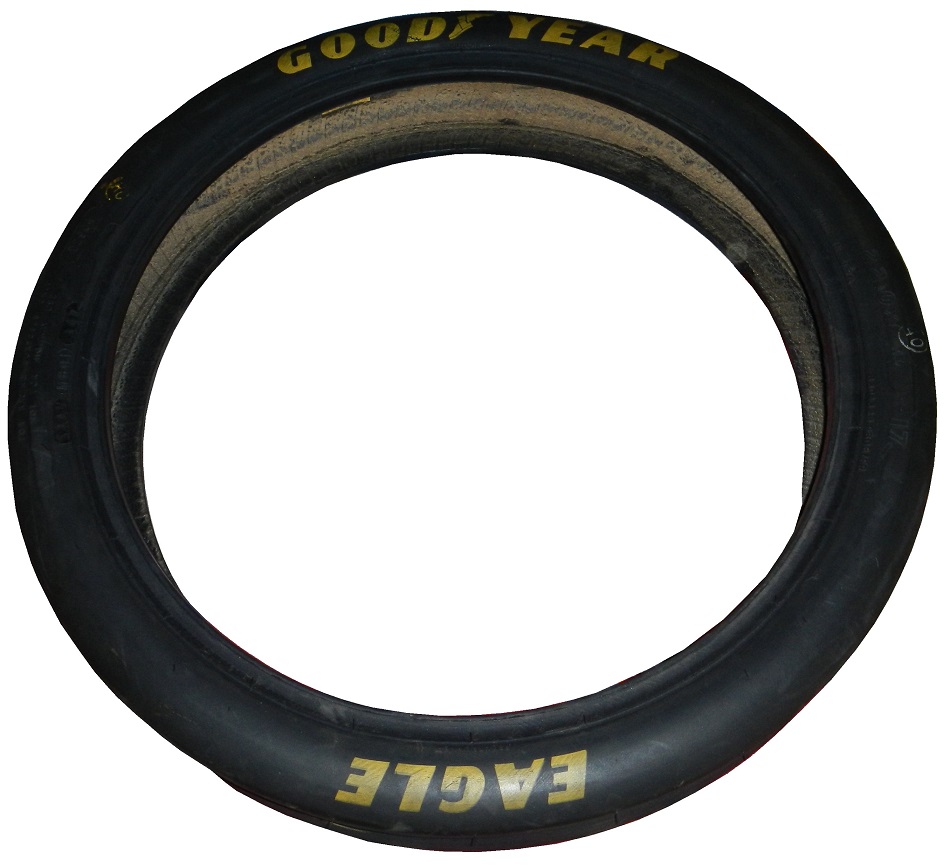
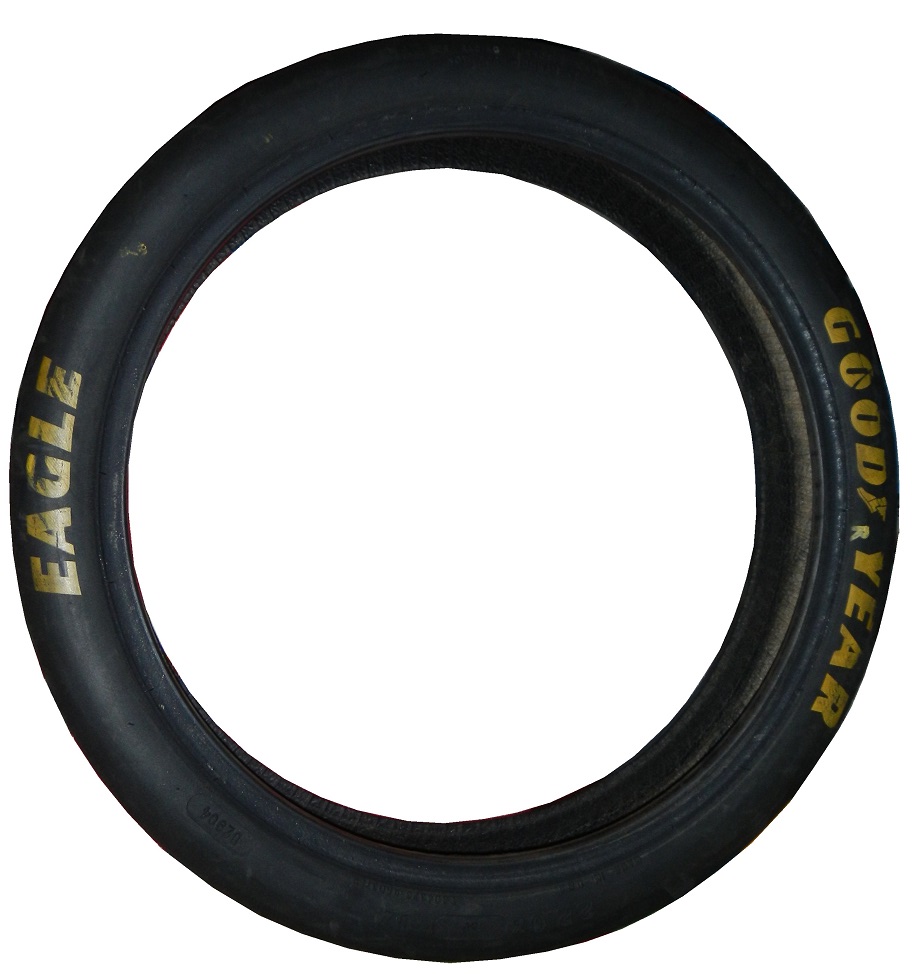
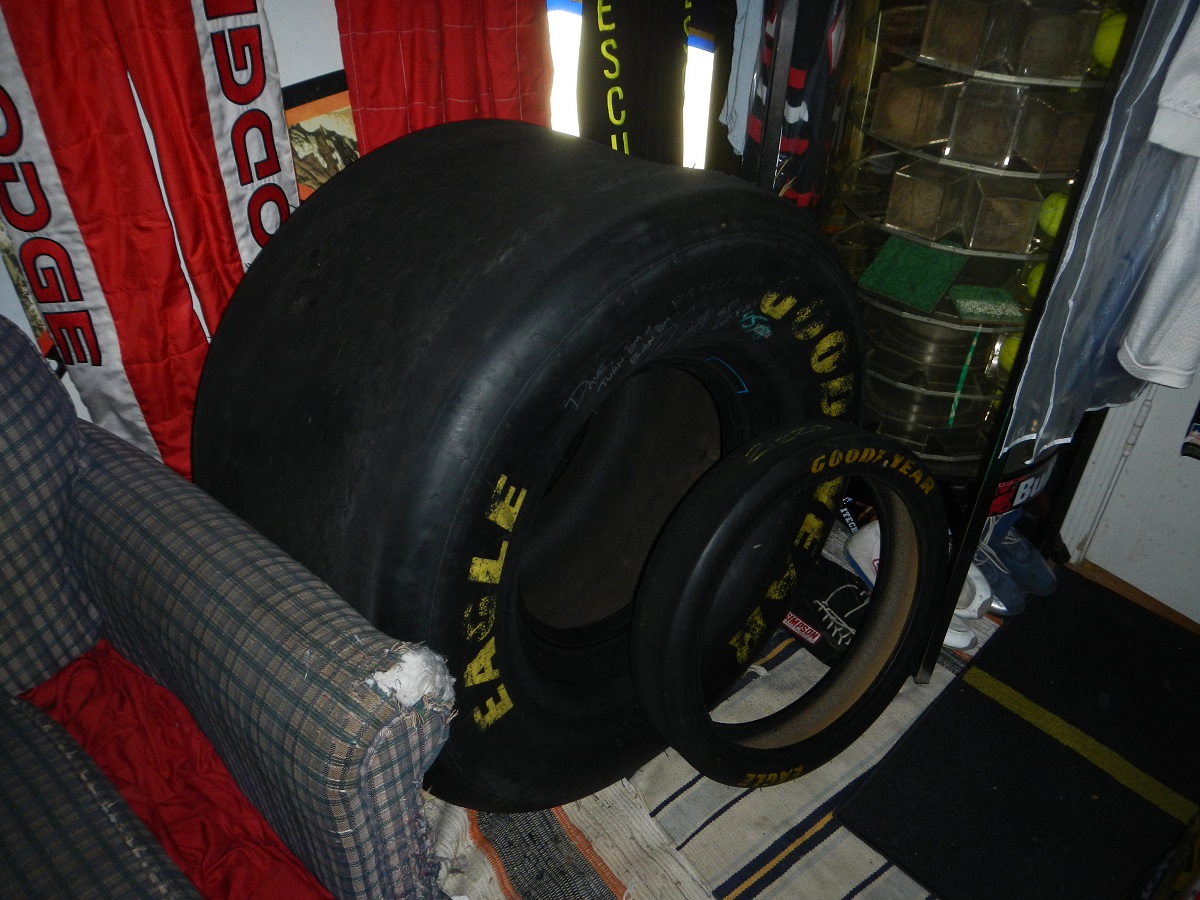
I also got a front tire, which is 22 inches tall, by 3 inches wide. zizzoftire-1 zizzoftire-2 zizzoftire-3 zizzoftire-4 zizzoftire-5I’m not sure when it was raced, but it does show wear and it has ZIZZO written on the tread. To give an idea the size difference between the two, here are the two of them together in my office…zizzotiresI’ve gotta thank TJ Zizzo and Zizzo Racing for this chance. They are a great bunch of guys, they were all very nice, GO ZIZZO!