Richard Petty Fan Suit

By David G. Firestone

petty

When it comes to driver suits, I normally focus on race-worn items, but this week I’m going to shift gears, and focus on another kind of suit…and yes, pun intended. This example is a suit used by the Richard Petty Driving Experience. What the RPDE does is give die hard fans the ability to get in a stock car and either be driven around a track for a few laps, or drive the car around the track after some instruction. The cars are almost identical to Gen 4 cars, but have two seats and are scaled down to 600 horsepower from the over 800 currently run in NASCAR.

pettyb

It looks similar in design to suits that Richard Petty wore during his racing days. Interestingly, there is no Petty blue, but a darker blue similar to the blue used in STP logos. There are no logos of any kind present, not even of the suit manufacturer, a company called Westex. I find it odd that at that time, the Richard Petty Driving Experience logo wasn’t used. There is no indication it was ever present on the suit to begin with. The legs are cuffed, as opposed to the boot cut that most NASCAR drivers like to use. Arm gussets, which give drivers better freedom of movement, are not here either. Later suits have some of these features.
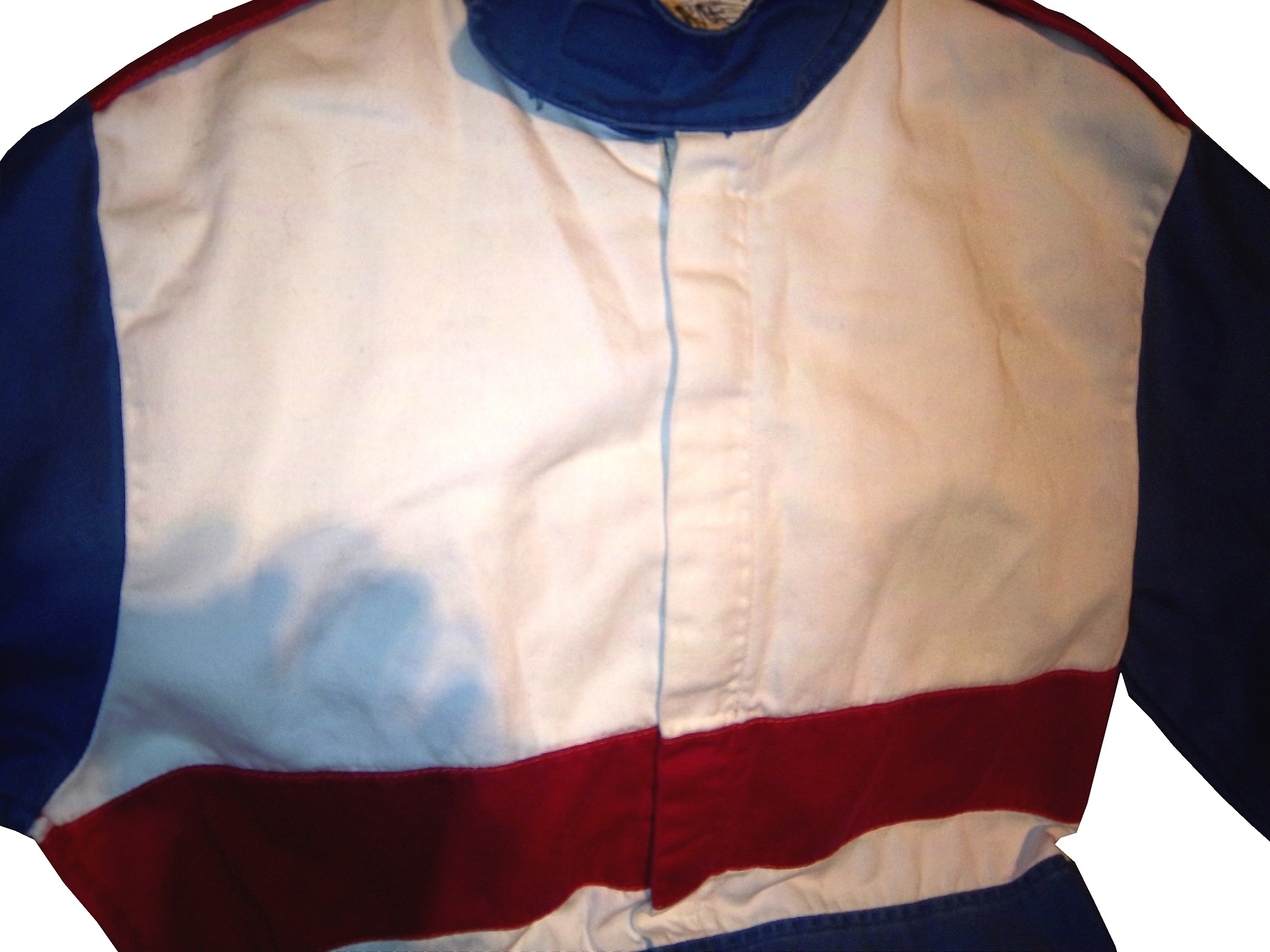
petty-chest petty-btorso petty-rshoulder petty-lshoulder

Now even though the cars are either driven by professionals, or by drivers who have had lessons, the risk of crash and fire is present. As such, the fans are issued driver suits. This is an early version of the suit issued to them. What strikes me about this suit is that it is a single-layer suit with no epaulets. The epaulet is critical here because they are specifically designed for pulling an unconscious driver from a burning car in the event of a wreck. The fact that is is a single-layer suit is an issue here because in racing, redundancy is safety. NASCAR drivers wear double or triple-layer suits as well as fireproof long johns that give them 30 seconds of fire protection. I would be shocked if this suit would give 10 seconds.

I should also mention at this point that the suit does not have any SFI or FIA certification. When you are driving fans around a track with the ever present risk of fire, having a suit that can withstand the worst case scenario is a plus. SFI certification is designed to do just that, insure that the person wearing the suit will be able to be protected in the worst case scenario, so I do not get the logic of having uncertified suit for use.

All that said, now let’s discuss the basics.

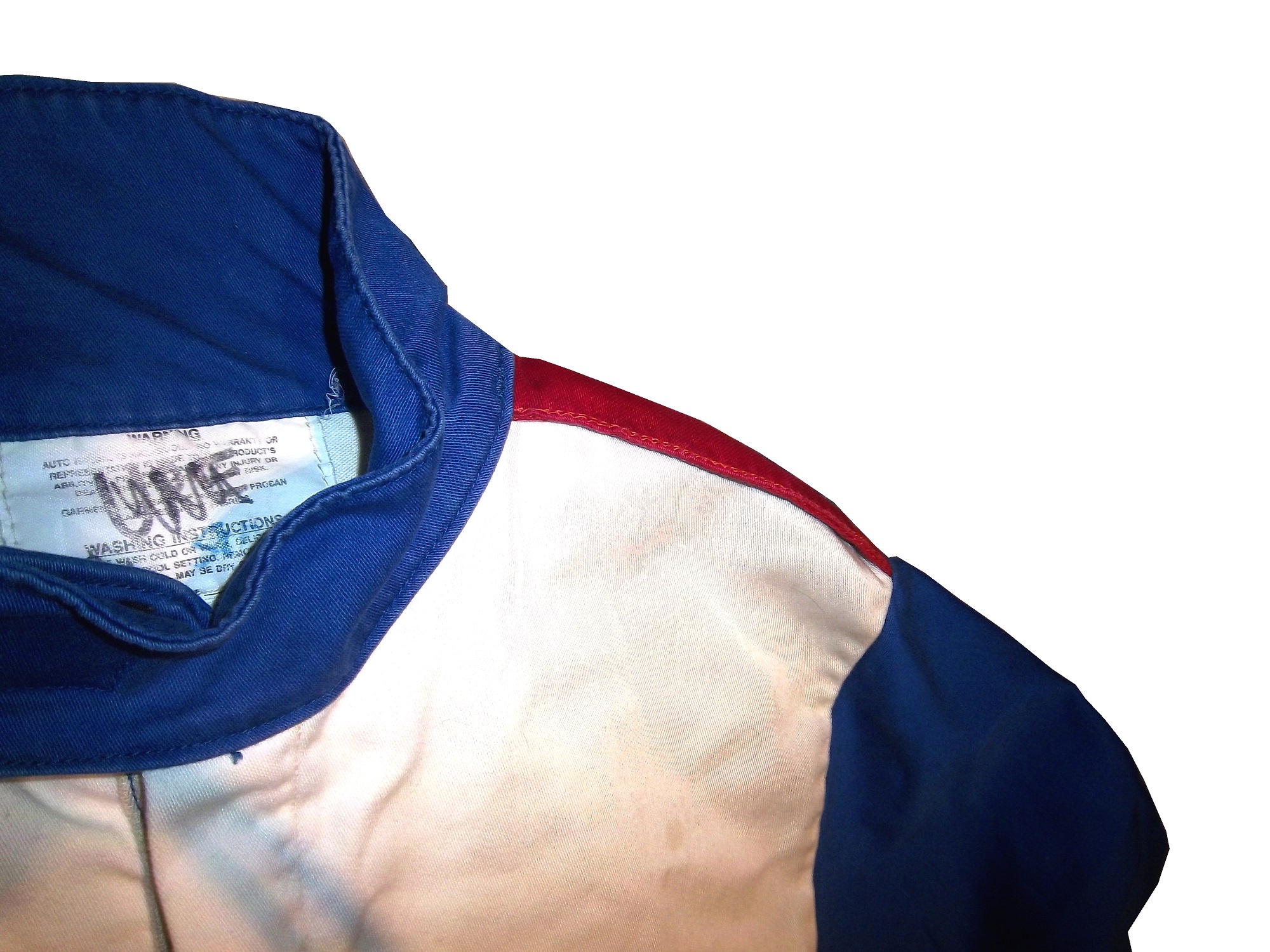
The collar is a Velcro-shut design.

petty-collar

The tag is custom for the RPDE and has some things written and crossed out in Sharpie.

petty-tag

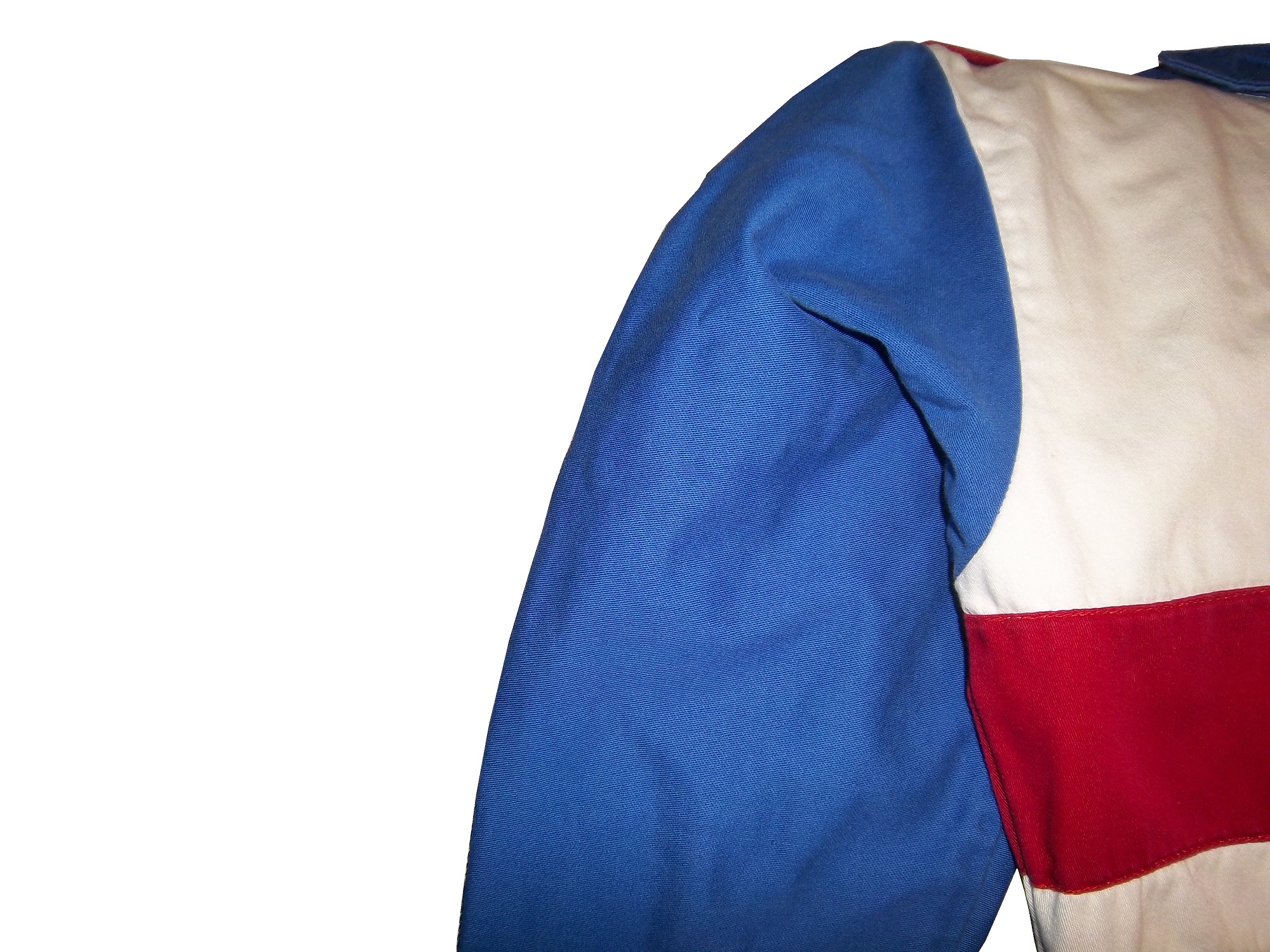
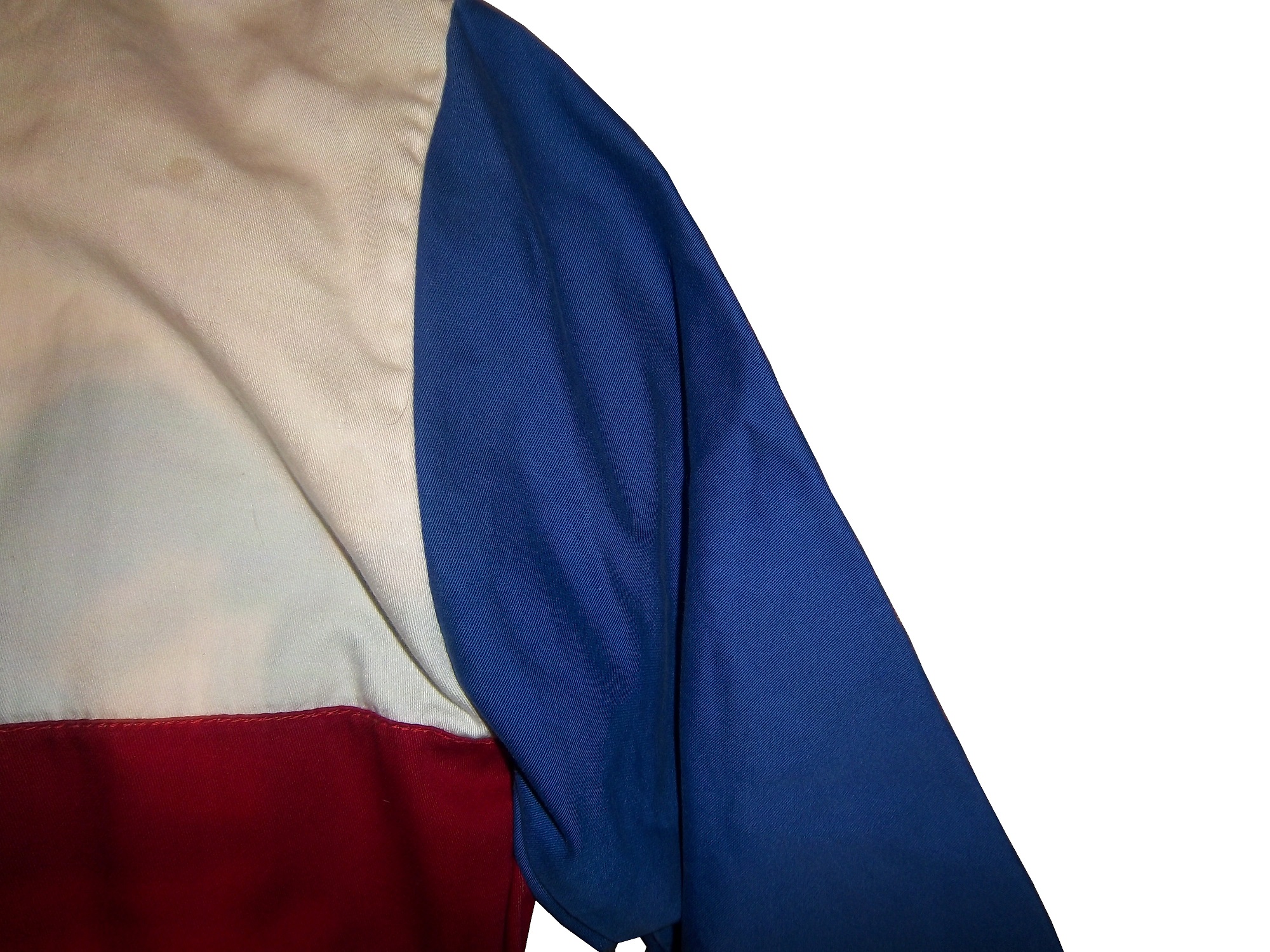
The sleeves are plain.

petty-rsleeve1 petty-rsleeve2 petty-lsleeve1 petty-lsleeve2

There is an unadorned belt.

petty-belt

The front torso shows some stains.

petty-chest

It should be noted that these suits are no longer used, and now Simpson SFI certified suits are currently in use. And while the suit has its short comings it is still a very attractive item. I plan on doing the RPDE in the very near future.

PBR…Not the Beer, Power Boat Racing!

By David G. Firestonebarber


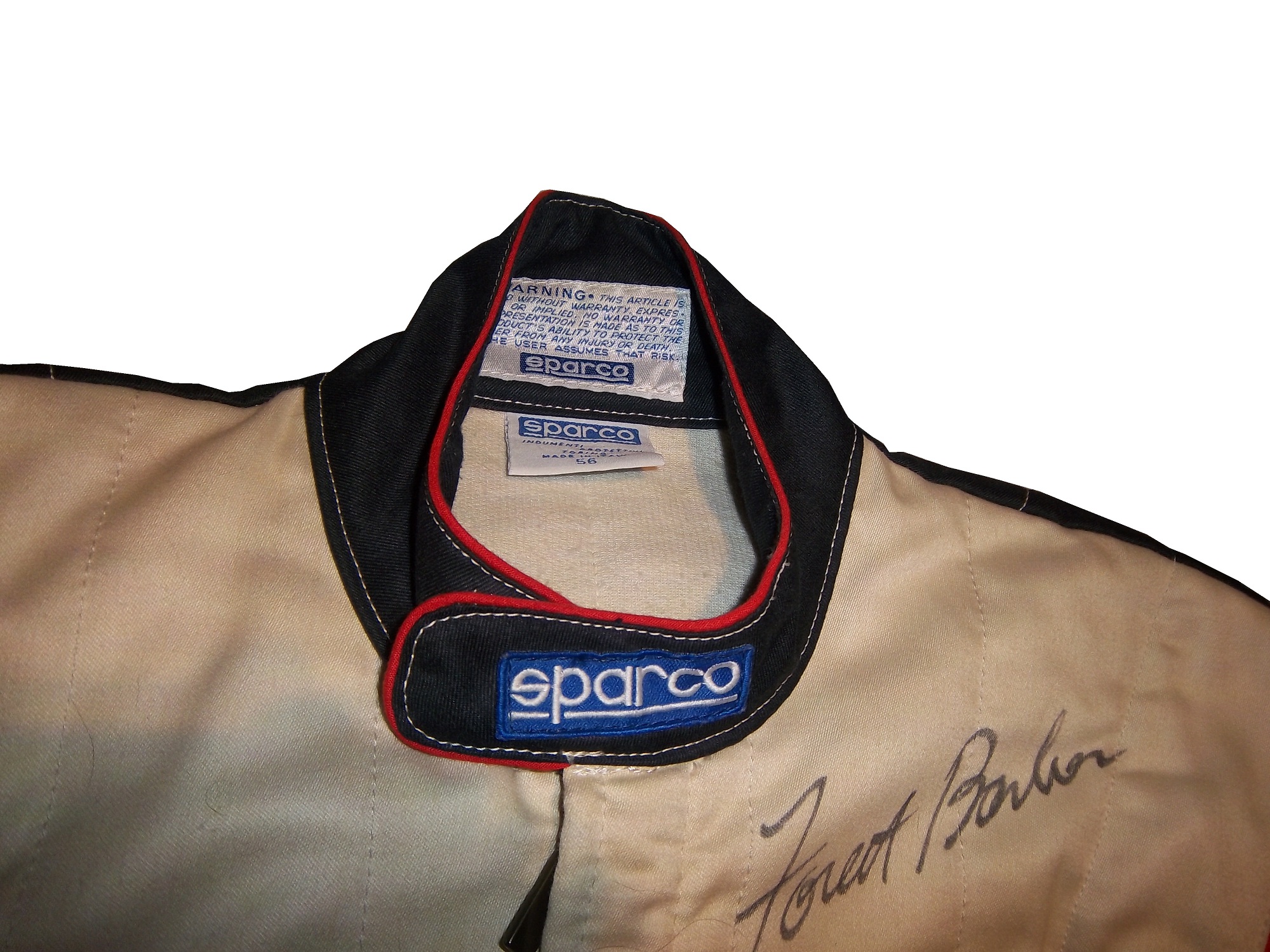
Forest Barber is a true racer in every sense of the word. He won as a co-driver and owner in the 24 Hours of Daytona, along with one of my other favorite subjects Christian Fittipaldi. He has 5 other wins in the Grand Am Rolex Sports Car Series. He has also participated in motocross and enduro riding. He has had the most success in offshore powerboat racing, where he has 5 National and World championships. In 1999, he won the APBA National Championship as well as the Superboat International Championship while racing Drambuie on Ice. He wore this suit during that effort.barberb


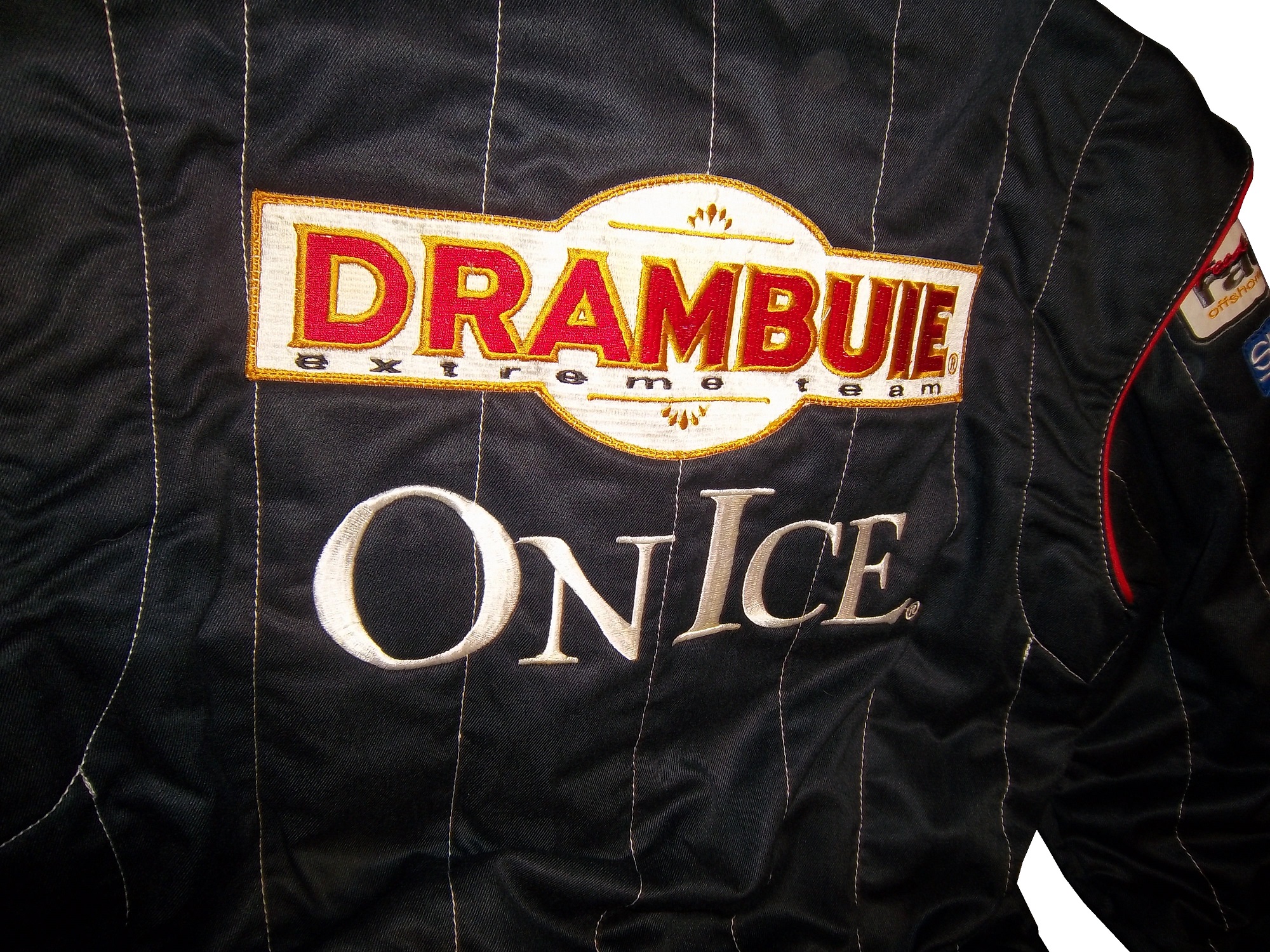
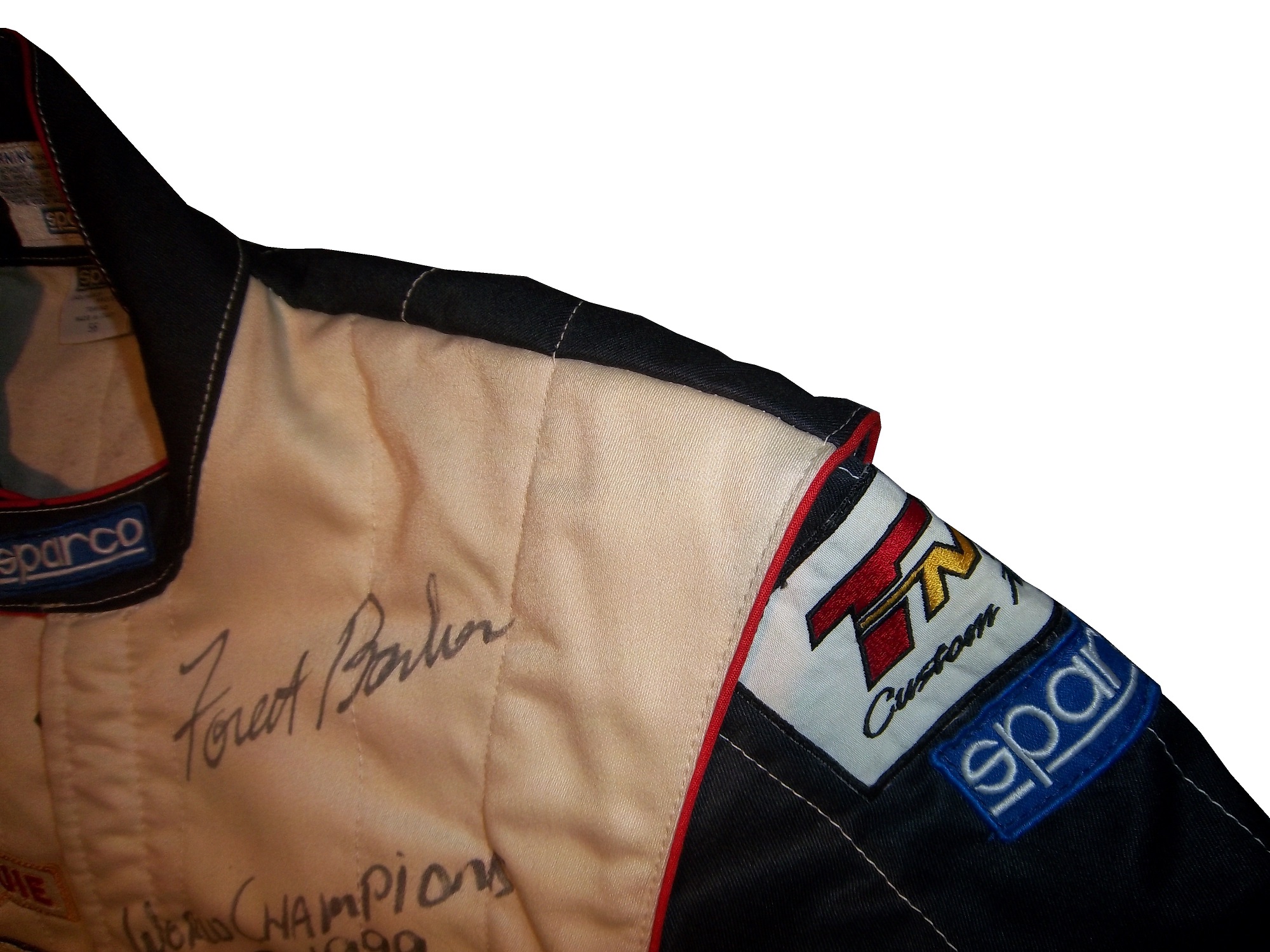
I never thought I would cover offshore powerboat racing in this blog, but this suit is a very interesting piece. It is a Sparco brand, single-layer suit that has full FIA certification. The light weight is used to accommodate the life jackets, and safety equipment that powerboat drivers need in addition to fire protection. Drowning is a real safety concern in power boat and other water sports. The front is designed with small DRAMBUIE ON ICE, TUBI STYLE EXHAUST SYSTEMS and KEITH EICKERT POWER PRODUCTS patches. Forest has signed the left chest and added WORLD CHAMPIONS 1999 as well. The back torso features a large DRAMBUIE ON ICE logo.barber-neckbarber-rchestbarber-lchestbarber-sigbarber-blogo

The sleeves both have a SPARCO logo, and one small patch. The right sleeve has a FEEL THE NEED RACING OFFSHORE CLASS 1 patch, and the left sleeve has a TNT CUSTOM RIGGING patch. There are no television logos, as the television coverage offshore powerboat racing had at the time did not have the cameras in the position for the logos to be seen.barber-rsleeve1barber-rsleeve2barber-lsleeve1barber-lsleeve2

Older Sparco suits have cowl tags indicating the size, and in this case, the size is 56, which is a large, with a 42 chest, 36 waist, and 42 hips. It also has two liability tags, one in the cowl and one behind the zipper in front.barber-tag1 barber-collar barber-tag2 barber-rchest barber-lshoulder

The shoulders have no epaulets or any other design covering the seam. Epaulets as I’ve said before are designed to pull an unconscious driver from a burning car. In offshore powerboat racing, drowning is a big concern in addition to fire protection, so epaulets are not needed. The arms are gusseted.barber-belt

There is an unadorned belt as well.barber-legs

The legs are unadorned and are cuffed as opposed to boot cut.

This suit was worn in Class 1, which is considered by many to be the Formula 1 of powerboat racing. Two individuals race in the boat, one drives the boat while the other navigates. A track is set on an open body of water, and the boats race each other around that track. These boats have 850 horsepower engines and can reach speeds of 160 miles per hour. They are catamaran designs, having two hulls, which help not only with speed but with stability as well. The races are typically 55-75 nautical miles in length, over a course that is 11-15 laps long, often with one or two long laps.

This is the first powerboat racing suit I have ever seen, and I have to say, it’s a very nice piece.